
Panama often flies under the radar compared to other destinations in Central America, yet those who visit quickly realize it’s full of contradictions, surprises, and moments that challenge expectations. On the surface, it’s known for the canal and tropical scenery, but beneath that lies a country that feels far more complex, modern, and unpredictable than most travelers imagine. Here are some of the most fascinating and sometimes shocking realities about Panama that many visitors only discover once they arrive.
You Can Cross the Entire Country Faster Than You Think
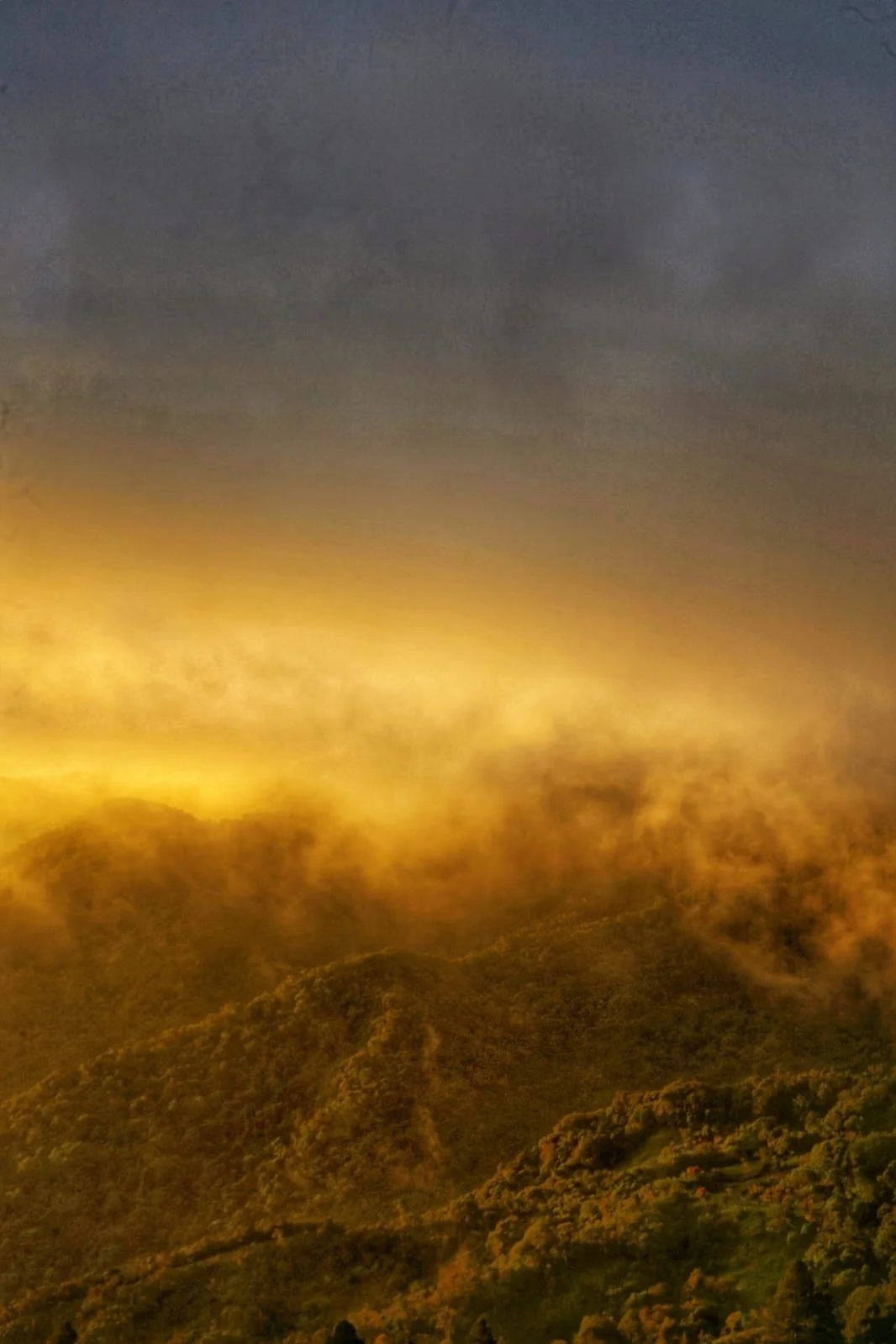
Panama looks small on a map, but what surprises people is just how quickly you can experience completely different environments. In a single day, you can leave the Pacific coast, drive through mountains and jungle, and arrive at the Caribbean. In some areas, the country is only about 60–80 kilometers wide. This creates a unique travel experience where dramatic changes in climate, culture, and landscape happen in just a few hours.
Even more surprising is that from the summit of Volcán Barú, you can sometimes see both the Pacific Ocean and the Caribbean Sea at the same time. It’s one of the only places in the world where that’s possible, and it gives a real sense of how geographically unique Panama is.
The Panama Canal Is Still a Living, Breathing System
Most people think of the Panama Canal as a historic landmark, but it’s actually one of the busiest and most important trade routes in the world today. Massive ships pass through constantly, and the canal directly influences daily life in the country.
Entire lakes, like Gatún Lake, were created to support it. Some roads and travel routes even depend on canal operations. It’s not uncommon to plan your day around canal traffic if you’re near certain crossings. The idea that global shipping routes are actively shaping your surroundings is something many tourists don’t expect.
It Uses the U.S. Dollar But Feels Different
Panama’s currency system surprises almost everyone. The country uses the U.S. dollar for paper money, but also mints its own coins called balboas. These coins look different but have the same value as U.S. coins, which can be confusing at first.
Even more interesting is how this affects the economy. Prices can feel similar to the U.S. in some areas, especially in cities, but much cheaper in others. This mix creates a strange balance where Panama can feel both affordable and expensive depending on where you are and how you live.
Panama City Feels Like a Global Hub
Many travelers arrive expecting a laid back tropical capital and are shocked to find a skyline full of glass towers and modern infrastructure. Panama City is one of the most developed cities in Central America, with financial districts, luxury condos, and international businesses.
In some neighborhoods, it feels closer to Miami than what people typically imagine for the region. Yet just minutes away, you can find historic colonial streets or dense rainforest. This contrast between ultra modern and deeply traditional is one of the most striking aspects of the country.
Wildlife Is Closer Than You Think
Panama is one of the most biodiverse countries in the world, and what shocks visitors is how accessible that wildlife is. You don’t need to travel far into remote jungle to see animals. In places like Soberanía National Park, just outside the capital, you can encounter monkeys, toucans, sloths, and countless bird species.
Even in semi urban areas, it’s not unusual to hear howler monkeys or see exotic birds flying overhead. The boundary between city and jungle is much thinner than most people expect.
Rain Doesn’t Stop Life
The rainy season can sound intimidating, but the reality is very different. Rain often comes in intense, short bursts rather than lasting all day. You might get a heavy downpour for an hour, followed by sunshine again.
Locals don’t cancel plans because of rain. Life continues as normal, and people simply adapt. For travelers, this can be surprising because what looks like a storm on the forecast rarely ruins the day.
Some Places Still Feel Untouched
Despite its accessibility, Panama still has regions that feel wild and remote. Areas like Darién remain largely undeveloped, with dense jungle and limited infrastructure.
Even in more visited regions, you can find beaches and islands with very few people. This balance between accessibility and untouched nature is becoming rare in the world, which makes Panama feel like a place where exploration is still possible.
Infrastructure Is Inconsistent
One of the more surprising realities is how quickly infrastructure can change. You might be driving on a modern highway one moment and suddenly hit rough roads or potholes the next. This unpredictability is why durable vehicles are so common and valued in the country.
It’s More Culturally Diverse Than Expected
Panama has a deeply mixed cultural identity shaped by Indigenous groups, Spanish influence, Afro Caribbean communities, and global migration. Because of the canal, people from all over the world have passed through or settled here.
This creates a unique blend of languages, food, music, and traditions. In some areas, English is widely spoken, especially in business or tourism, which surprises many visitors.
People Dress Better Than You’d Expect in the Heat
One of the most unexpected cultural observations is how well dressed people are. Even in hot, humid weather, many Panamanians wear fitted, clean, and stylish clothing. Wrinkled or overly casual outfits stand out more than being slightly overdressed.
This reflects a cultural emphasis on presentation and respect. Looking put together is seen as important, regardless of the climate.
Local Food Is Filling and Affordable
In small local eateries, meals are often large and inexpensive. Plates are typically built around rice, beans, meat, and fried sides. Portions can be surprisingly big, and the food is designed to be filling rather than light.
For travelers, this can be both a pleasant surprise and a shock, especially if they are used to smaller portions or more expensive meals.
Time Works Differently
Time in Panama can feel more flexible than in North America or Europe. Buses might leave when full, services might take longer than expected, and schedules are sometimes treated as guidelines rather than strict rules.
While this can be frustrating at first, many travelers eventually adapt and even come to appreciate the slower pace.
The Heat Is Intense But People Adapt
The tropical climate is not just hot, it’s humid, which can feel overwhelming at first. Yet locals seem completely unfazed, going about their day in fitted clothing and maintaining their routines.
This contrast between how visitors experience the heat and how locals handle it is something many people notice immediately.
What shocks people most about Panama isn’t just one thing, it’s the constant contrast. Modern cities next to jungle, global influences mixed with local traditions, and a pace of life that can feel both fast and slow at the same time.
Panama doesn’t fit neatly into expectations. It’s a place where things are more connected, more diverse, and often more surprising than they first appear. And that’s exactly what makes it such a fascinating country to explore.
Shocking Facts About Panama That Most Tourists Don’t Expect