
Backpacking through Panama is one of those experiences that tends to surprise people. It is not always the first country that comes to mind in Central America, yet those who go often end up staying longer than planned. The reason lies in a unique combination of ease, diversity, and atmosphere that creates a backpacker scene that feels both social and adventurous at the same time.
One of the biggest reasons Panama works so well for backpackers is how compact and varied it is. Within just a few hours of travel, you can go from modern city streets to jungle trails, from mountain cloud forests to Caribbean islands. Travelers often mention that the country feels like multiple destinations in one, with skyscrapers, beaches, rainforests, and volcanoes all packed into a narrow strip of land.
This naturally shapes the backpacker route. A typical journey might begin in Panama City, where colonial streets meet a skyline that feels closer to Miami than Central America. From there, many head to the islands of Bocas del Toro, known for laid back beach life, nightlife, and a constant flow of international travelers. It is a place where days are spent swimming and nights often turn into social gatherings that last until sunrise.
From the coast, the route often shifts inland to the mountains. Stops like Boquete offer cooler weather, coffee farms, and access to hikes like Volcán Barú. Along the way, places like Lost and Found Hostel have become legendary among backpackers, not just for their location in the jungle, but for the atmosphere. These kinds of hostels are more than accommodation, they are social hubs where travelers meet, share stories, and often change their plans entirely.
This social element is a huge part of what defines the backpacker scene. Panama sits on what is often called the “Gringo Trail,” meaning you will almost always find other travelers moving in the same direction. Hostels are easy to find, and there is a strong culture of communal living, shared meals, and group activities. Even in more remote places, it is rarely difficult to meet people, which makes solo travel feel less isolating.
Another major factor is how easy it is to get around. Panama’s use of the U.S. dollar removes the hassle of currency exchange, and transportation is relatively straightforward. Buses, shuttles, and even the metro system make moving between destinations affordable and simple, allowing backpackers to explore without complicated logistics.
Cost also plays a role. While Panama is sometimes considered slightly more expensive than its neighbors, it is still very manageable on a backpacker budget. Many travelers report daily costs around $35 to $45 if they stick to hostels, local food, and public transport. The presence of fondas, small local eateries serving inexpensive meals, helps keep costs down while also offering a more authentic experience.
But what truly makes Panama enjoyable is the balance between adventure and comfort. You can spend one day hiking through dense jungle filled with wildlife and the next relaxing on a quiet beach with almost no crowds. You can climb a volcano at sunrise and then return to a town with good coffee, reliable WiFi, and a comfortable hostel. This mix is rare and gives Panama an edge over destinations that lean too heavily toward either rugged travel or developed tourism.
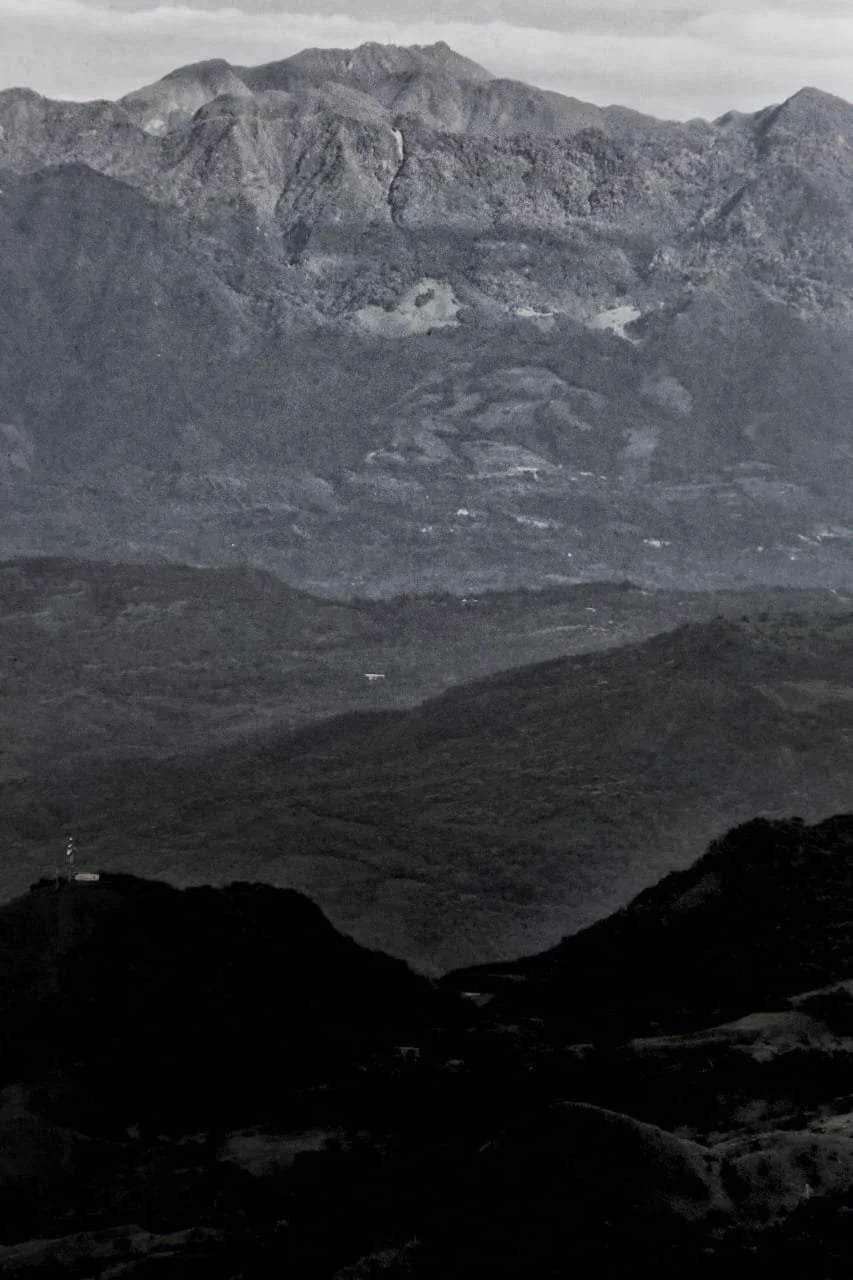
Nature is another defining part of the experience. Panama’s geography acts as a bridge between continents, creating an incredible diversity of ecosystems. Backpackers can move between mangroves, cloud forests, coral reefs, and tropical islands in a matter of days. Wildlife is abundant, and even casual travelers often encounter monkeys, sloths, and exotic birds without needing a formal expedition.
At the same time, Panama offers something many backpackers quietly appreciate, a sense of ease and safety compared to some other regions. Infrastructure is relatively developed, English is widely understood in tourist areas, and the country feels accessible even for less experienced travelers. This makes it a popular choice for first time backpackers as well as seasoned ones looking for a smoother journey.
There is also a certain unpredictability to the experience. Panama is still developing as a backpacker destination, which means it has not been completely overrun. You can still find places that feel undiscovered, where the tourism is light and the experience feels personal. Some areas feel lively and social, while others feel almost untouched, giving travelers the freedom to shape their trip however they want.
In the end, the backpacker scene in Panama is not defined by one place or one vibe. It is the combination of everything, the ease of travel, the variety of landscapes, the social hostel culture, and the balance between adventure and comfort. It is a country where plans often change, where people stay longer than expected, and where the journey itself becomes the highlight.
That is what makes Panama enjoyable. Not just what you see, but how effortlessly it all connects, creating a travel experience that feels both exciting and easy at the same time.
The Backpacker Scene in Panama, Why Travelers Keep Coming Back