
Panama is one of those places that quietly becomes a favorite for families once they experience it. It does not rely on theme parks or all-inclusive resorts to make things easy. Instead, it offers something more flexible and, in many ways, more rewarding: a country where logistics are simple, distances are short, and every few hours brings a completely different environment.
What makes Panama stand out is how adaptable it is to different family travel styles. You can travel slowly and comfortably, or keep things adventurous without pushing too hard. You can stay in well-equipped city apartments, beachfront bungalows, or mountain lodges. And because the country is so compact, you can adjust your plans easily if something is not working for your family.
At the same time, it is important to be honest: Panama is not effortless everywhere. The heat, the traffic, and occasional logistical hiccups are part of the experience. But when you understand how to move through the country zone by zone, these challenges become manageable, and often even part of the story.
Understanding the Rhythm of Panama Travel with Kids
Before diving deeper into each region, it helps to understand how Panama “flows” as a travel experience.
Unlike larger countries where long travel days can exhaust families, Panama allows you to break movement into short, manageable segments. A two to six-hour journey can completely change your surroundings. This means you can design a trip that alternates between energy and recovery:
A few days in the city
Then a slower beach or mountain stay
Then another short travel day
Then something new
This rhythm keeps kids engaged without overwhelming them.
Another important point: travel days themselves are rarely brutal. Even when you are moving between regions, buses are comfortable, roads are decent, and there are plenty of places to stop. If you rent a car, you gain even more control, stopping for food, viewpoints, or breaks whenever needed.
Panama City: A Dynamic Start (With Smart Limits)
Panama City is where most journeys begin, and it plays an important role in setting the tone. It introduces families to the country’s modern side, something that can be reassuring, especially after long international flights.
One of the most fascinating aspects of the city is how it blends global infrastructure with tropical surroundings. You might start your day in an air-conditioned café, then within 30 minutes find yourself in dense jungle or watching ships move through one of the world’s most important waterways.
The Panama Canal remains the standout attraction. It is not just a quick stop, it is a genuinely engaging experience. Kids tend to be captivated by the sheer size of the ships and the mechanics of the locks, while adults appreciate the history, from its construction challenges to its ongoing role in global trade.
Meanwhile, Casco Viejo provides a completely different atmosphere. The narrow streets, colonial architecture, and open plazas create a space where families can slow down. It is one of the few areas where you can comfortably walk for hours, stopping frequently for snacks, drinks, or simply to rest.
Another underrated aspect of the city is its green space integration. Metropolitan Natural Park is not just a small park, it is a true slice of rainforest inside a capital city. Short trails make it accessible for families, and the chance to spot wildlife so close to an urban environment feels unique.
Still, the challenges are consistent:
The heat builds quickly, especially late morning through mid-afternoon
The traffic slows everything down
The overall pace can feel intense
For families, the solution is simple: plan shorter days and take breaks. Morning activities, afternoon downtime, evening outings. And again, using Ubers instead of navigating public transport keeps things smooth.
Deeper Look at Transportation: Making Movement Easy
Panama’s transportation system is one of the reasons it works so well for families, but understanding how to use it makes a big difference.
Buses: The Backbone
Long-distance buses in Panama are far more comfortable than many people expect. Air conditioning is standard, seating is decent, and routes are straightforward. Major hubs connect places like Panama City, David, and Almirante (gateway to Bocas del Toro).
For families, the key is to:
Travel earlier in the day when possible
Bring snacks and entertainment for kids
Break longer journeys with overnight stops if needed
Rental Cars: Maximum Freedom
Renting a car gives you control, which can be invaluable when traveling with kids. The Pan-American Highway is well maintained, and many secondary roads are in good condition.
Driving also opens up spontaneous exploration: roadside fruit stands, quiet beaches, scenic viewpoints. Outside the capital, traffic drops significantly, and driving becomes much more relaxed.
Boats and Transfers
In regions like Bocas del Toro and San Blas, boats are part of daily life. For kids, these are often highlights rather than inconveniences. The key is simply to pack light and stay flexible.
Bocas del Toro: A Caribbean Playground for Families
Bocas del Toro is where many families shift from “travel mode” into “vacation mode.” The pace slows, the scenery softens, and days become less structured.
What makes Bocas special for families is how interactive it is. You are not just sitting on a beach, you are moving between islands, spotting dolphins, snorkeling in clear water, and exploring small communities.
Each island offers something slightly different:
Some are lively, with restaurants and shops
Others are quiet, with jungle and empty beaches
This variety allows families to choose their level of activity.
That said, planning matters here. Choosing accommodations with easy access to food, water, and transport can make or break the experience. Weather is also a factor, rain showers are common, but they usually pass quickly.
Boquete and the Highlands: Recovery and Exploration
Boquete offers one of the most balanced environments for families in Panama. The cooler temperatures alone make a noticeable difference in energy levels.
This region is ideal for active but not exhausting days. Trails are accessible, wildlife is present, and activities can be adjusted to different age groups.
Coffee farms are a surprising hit with families. Even kids who are not interested in coffee often enjoy seeing how it is grown and processed. Waterfalls, short hikes, and open green spaces provide variety without requiring long travel days.
Nearby, Volcán Barú looms over the region, adding a sense of scale and adventure, even if you do not climb it.
Pacific Coast: Practical and Underrated
The Pacific side of Panama is often less visually dramatic than the Caribbean, but it excels in convenience and accessibility.
Destinations like Playa Venao offer a balance of activity and relaxation. Surf culture brings energy, but there are still plenty of calm areas for families.
Closer Pacific beaches are perfect for shorter stays. You can leave the city in the morning and be on the sand by midday. This makes them ideal for families who want beach time without complicated logistics.
Azuero Peninsula and Cultural Panama
The Azuero region, including places like Pedasí, provides a deeper look at Panamanian culture. This is where traditions remain strong, festivals, local crafts, and everyday life.
For families, this region offers a slower, more grounded experience. Kids can see a different side of the country, away from tourism-focused areas.
It is not as polished, but it is authentic, and often very welcoming.
San Blas: Beauty with Trade-Offs
The San Blas Islands are visually stunning, often exceeding expectations. But they require effort and flexibility.
The journey can be long and bumpy, and conditions on the islands are simple. For families who are comfortable with this, it becomes a unique and memorable experience. For others, it may feel too challenging.
Wildlife Everywhere: A Constant Highlight
Panama’s biodiversity is one of its biggest strengths. In places like Soberanía National Park, wildlife is not rare, it is expected.
Monkeys, sloths, tropical birds, and insects become part of the daily experience. For children, this creates a sense of discovery that few destinations can match.
Food, Safety, and Practical Comfort
Food is approachable and flexible. Even in smaller towns, you will find simple meals that work for kids. In cities, options expand dramatically.
Safety is generally good, especially in the areas families tend to visit. Basic awareness is enough in most situations.
Healthcare, internet, and general infrastructure are reliable, which removes much of the stress that can come with traveling in less developed regions.
Why Panama Works So Well for Families
Panama succeeds as a family destination because it does not force a single travel style. It lets you build your own version of the trip.
You can:
Move quickly or slowly
Stay comfortable or go adventurous
Mix nature, culture, and relaxation
And if something does not feel right, you can adjust without major disruption.
That flexibility, combined with the country’s size and diversity, makes Panama one of the most underrated family travel destinations in the region.
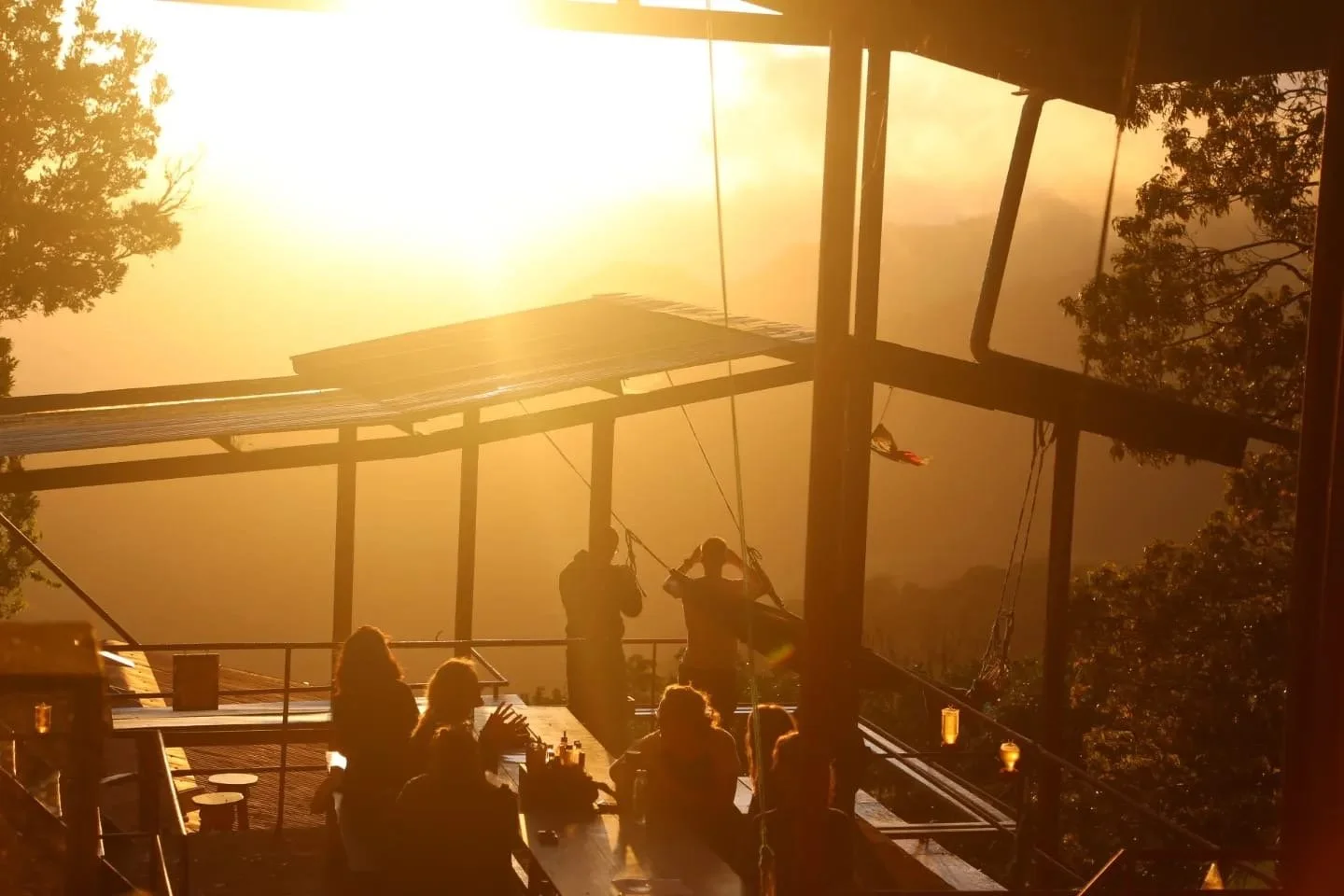
Is Panama Family Friendly? The Ultimate Zone-by-Zone Guide for Traveling with Kids