
Panama is one of the most biologically strategic countries on Earth, a narrow land bridge that connects two continents and allows species from North and South America to overlap, interact, and evolve. Among the most fascinating results of this geographic position is the presence of six species of wild cats, all coexisting within a relatively small area. In Panama, these cats form a complete predator guild, ranging from apex hunters capable of taking down large mammals to tiny, elusive specialists that hunt in the canopy or high elevation forests. For travelers and naturalists, this creates one of the richest and most complex wild cat assemblages anywhere in the Americas. What makes it even more remarkable is that despite this diversity, almost all of these animals remain invisible to the human eye, operating in a hidden layer of the ecosystem that most people never directly experience.
The six species found in Panama are the jaguar (Panthera onca), the puma (Puma concolor), the ocelot (Leopardus pardalis), the margay (Leopardus wiedii), the jaguarundi (Herpailurus yagouaroundi), and the oncilla (Leopardus tigrinus). These species represent multiple evolutionary lineages within the Felidae family, each adapted to a specific ecological niche. Together, they form what ecologists refer to as a multi tiered predator system, in which competition is minimized through differences in prey size, habitat use, activity patterns, and behavior. This system allows six carnivores, all of which could theoretically compete with one another, to coexist across overlapping territories without collapsing the food web.
At the top of this system is the jaguar, the apex predator of the Neotropics and the most powerful carnivore in Panama. Jaguars are biologically distinct from other large cats in several important ways. Their morphology is built for strength rather than speed, with a compact, muscular body, a broad skull, and an exceptionally powerful bite. Unlike lions or pumas, which typically kill by suffocation, jaguars often deliver a direct bite through the skull of their prey, targeting the brain and causing instant death. This unique killing technique allows them to prey on animals that are otherwise difficult to subdue, including armored reptiles and thick skulled mammals. In Panama, jaguars are strongly associated with water and are frequently found near rivers, wetlands, and mangroves. They are excellent swimmers and have been observed crossing wide rivers and even hunting aquatic prey.
The strongest populations of jaguars in Panama are found in large, intact ecosystems such as Darién National Park, one of the most remote and biologically rich regions in Central America. This area provides the scale of habitat necessary to support viable populations of large predators, with dense rainforest, abundant prey, and minimal human disturbance. Jaguars also persist in areas closer to human activity, including Soberanía National Park, near the Panama Canal, demonstrating a degree of adaptability that is essential for their survival in a changing landscape. Despite their size, jaguars are rarely seen. Their behavior is highly secretive, and they rely on dense vegetation and nocturnal activity to avoid detection.
Below the jaguar in the predator hierarchy is the puma, a species that is both highly adaptable and widely distributed. Pumas are found across a broader range of habitats than any other wild cat in the Americas, from lowland jungle to mountainous regions. In Panama, they often occupy areas where jaguars are present, but they adjust their behavior to avoid direct competition. This may involve hunting at different times, targeting different prey, or using different parts of the landscape. Pumas lack the rosetted coat of jaguars and instead have a uniform coloration that provides effective camouflage in a variety of environments. Their body structure is optimized for endurance and mobility, allowing them to travel long distances and exploit a wide range of prey species. This flexibility makes them one of the most resilient predators in Panama, though they are just as elusive as jaguars and rarely encountered in the wild.
The ocelot represents the most common medium sized wild cat in Panama and serves as an important link in the predator hierarchy. Weighing between 8 and 15 kilograms, ocelots are significantly smaller than pumas but still large enough to prey on a wide variety of animals. Their striking coat pattern, composed of bold rosettes and stripes, provides excellent camouflage in the complex light environment of the forest understory. Ocelots are primarily nocturnal and are highly territorial, often maintaining well defined home ranges that they defend against other individuals. Their diet includes rodents, birds, reptiles, and small mammals, and they play a critical role in controlling populations of these species. Ocelots are found throughout Panama, including in protected areas such as Chagres National Park, as well as in fragmented habitats near human settlements, provided that sufficient cover remains.
Closely related to the ocelot but far more specialized is the margay, a cat that has evolved for life in the trees. The margay is one of the most arboreally adapted felids in the world, with anatomical features that allow it to move through the canopy with remarkable agility. Its ankle joints can rotate to an extraordinary degree, enabling it to descend trees headfirst, a rare ability among mammals. The margay’s long tail provides balance, while its large eyes enhance night vision, reflecting its primarily nocturnal lifestyle. Unlike the ocelot, which hunts primarily on the ground, the margay spends much of its time in the canopy, preying on birds, small mammals, and reptiles. There is even evidence suggesting that margays may use vocal mimicry to lure prey, an indication of advanced cognitive ability. Despite these fascinating traits, margays are rarely seen due to their arboreal habits and low population densities.
The jaguarundi represents a significant departure from the typical wild cat form. With its elongated body, short legs, and small, rounded head, it resembles a mustelid more than a typical felid. Its coat lacks spots or rosettes and instead appears in solid colors ranging from reddish brown to dark gray. This unusual morphology reflects a different ecological strategy. Jaguarundis are more diurnal than other wild cats, meaning they are active during the day, which reduces competition with nocturnal species such as ocelots and margays. They prefer dense vegetation, edge habitats, and secondary forests rather than deep jungle, and their diet consists of small mammals, birds, reptiles, and even insects. Although they are more active during daylight hours, their secretive nature and preference for dense cover make them difficult to observe.
The smallest and most mysterious of Panama’s wild cats is the oncilla, also known as the little spotted cat. This species is roughly the size of a domestic cat but is far more elusive and specialized. Its coat resembles that of an ocelot, but it is finer and more delicate, reflecting its smaller size and different ecological niche. Oncillas are primarily associated with higher elevation forests and cooler climates, where they occupy habitats that are less accessible and less studied. Their behavior remains poorly understood, as direct observations are extremely rare and most data come from camera traps and indirect evidence. What is known suggests that they are nocturnal predators that feed on small mammals, birds, and reptiles, playing a role similar to that of the ocelot but on a smaller scale.
The coexistence of these six species within the same geographic region is made possible by a phenomenon known as niche partitioning, in which species reduce competition by specializing in different aspects of the environment. Jaguars dominate large prey and aquatic environments, pumas function as generalists that adapt to avoid competition, ocelots focus on medium sized prey in dense understory, margays occupy the canopy, jaguarundis operate during the day in edge habitats, and oncillas specialize in cooler, higher elevation zones. This partitioning extends not only to prey size and habitat but also to temporal activity patterns, ensuring that these predators rarely compete directly despite overlapping ranges.
For naturalists and travelers, one of the most intriguing aspects of these cats is their near complete invisibility. Even in areas where all six species are present, such as Soberanía National Park, sightings are extraordinarily rare. These animals have evolved to avoid detection, relying on camouflage, silence, and an acute awareness of their surroundings. In most cases, if you are in wild cat habitat, the animals are aware of you long before you have any indication of their presence. This creates a unique dynamic in which the observer is often being observed, a reversal of the typical human wildlife experience.
Conservation of wild cats in Panama is closely tied to the preservation of habitat connectivity. Large predators such as jaguars and pumas require extensive territories, and fragmentation of forests can isolate populations and reduce genetic diversity. Panama’s role as a biological corridor makes it especially important for maintaining connectivity between populations in Central and South America. Protected areas such as Darién National Park, Chagres National Park, and La Amistad International Park are critical for ensuring the survival of these species, but ongoing pressures from deforestation, agriculture, and infrastructure development continue to pose challenges.
Experiencing wild cat habitat in Panama is less about seeing the animals and more about understanding their presence. Walking through dense forest, listening to the layered sounds of the jungle, and recognizing signs such as tracks, scat, or prey remains can provide a deeper connection to these hidden predators. There is a moment that many naturalists describe, a subtle shift in awareness when the forest feels different, quieter, more alert. It is impossible to prove, but it often feels as though something is watching, a reminder that these ecosystems are not empty, but filled with life that operates just beyond human perception.
In the end, the wild cats of Panama represent one of the most complete and intricate predator systems in the Americas. They are not simply individual species, but components of a larger ecological network that maintains balance across multiple levels of the food web. Their presence indicates a healthy ecosystem, their absence signals imbalance, and their survival depends on the continued protection of the landscapes they inhabit. For those willing to look beyond the surface, they offer not just a glimpse into the hidden world of the jungle, but a deeper understanding of how nature organizes itself in one of the most biodiverse regions on Earth.
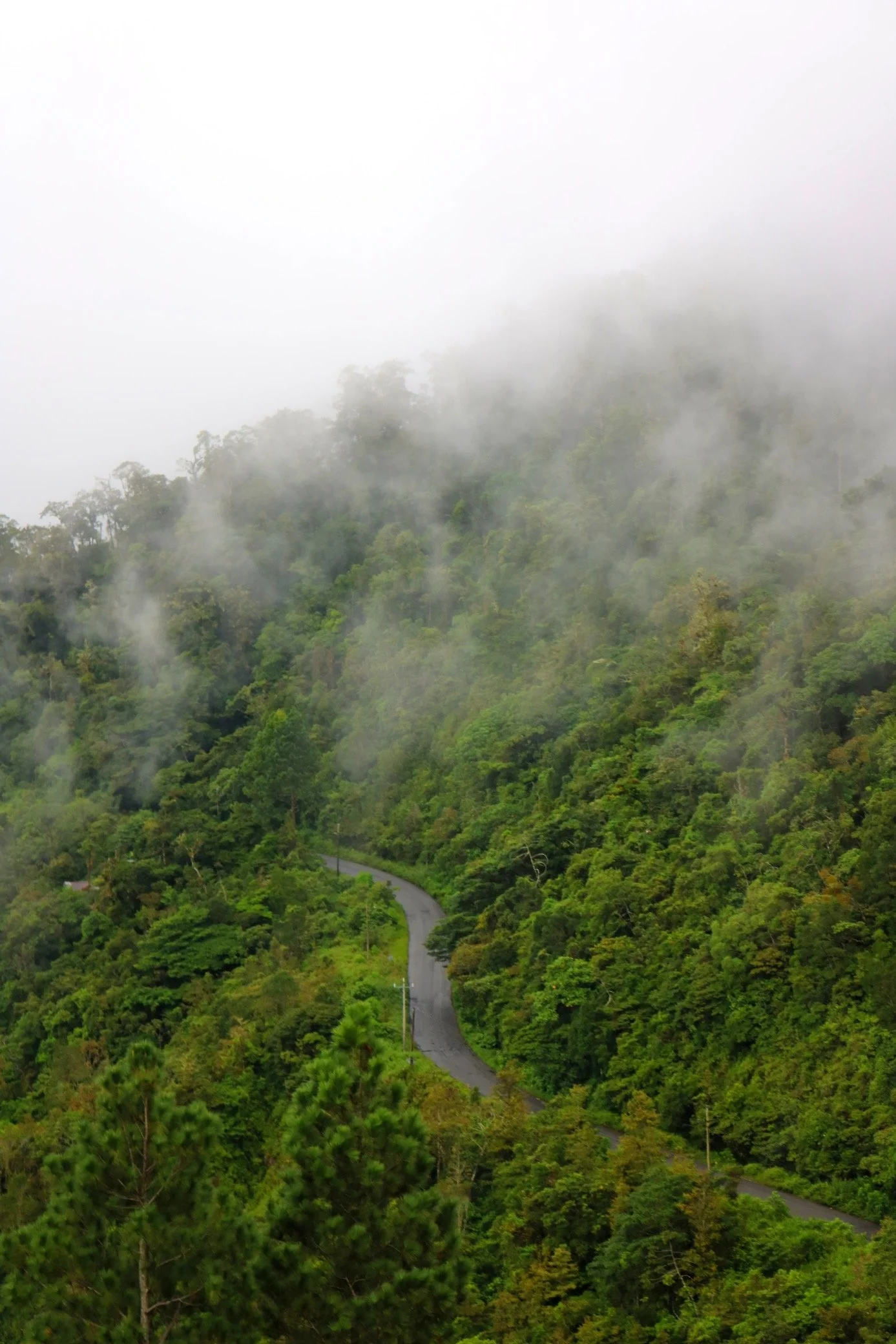
Wild Cats of Panama: The Ultimate Scientific and Naturalist’s Guide to the Hidden Predators of the Isthmus