
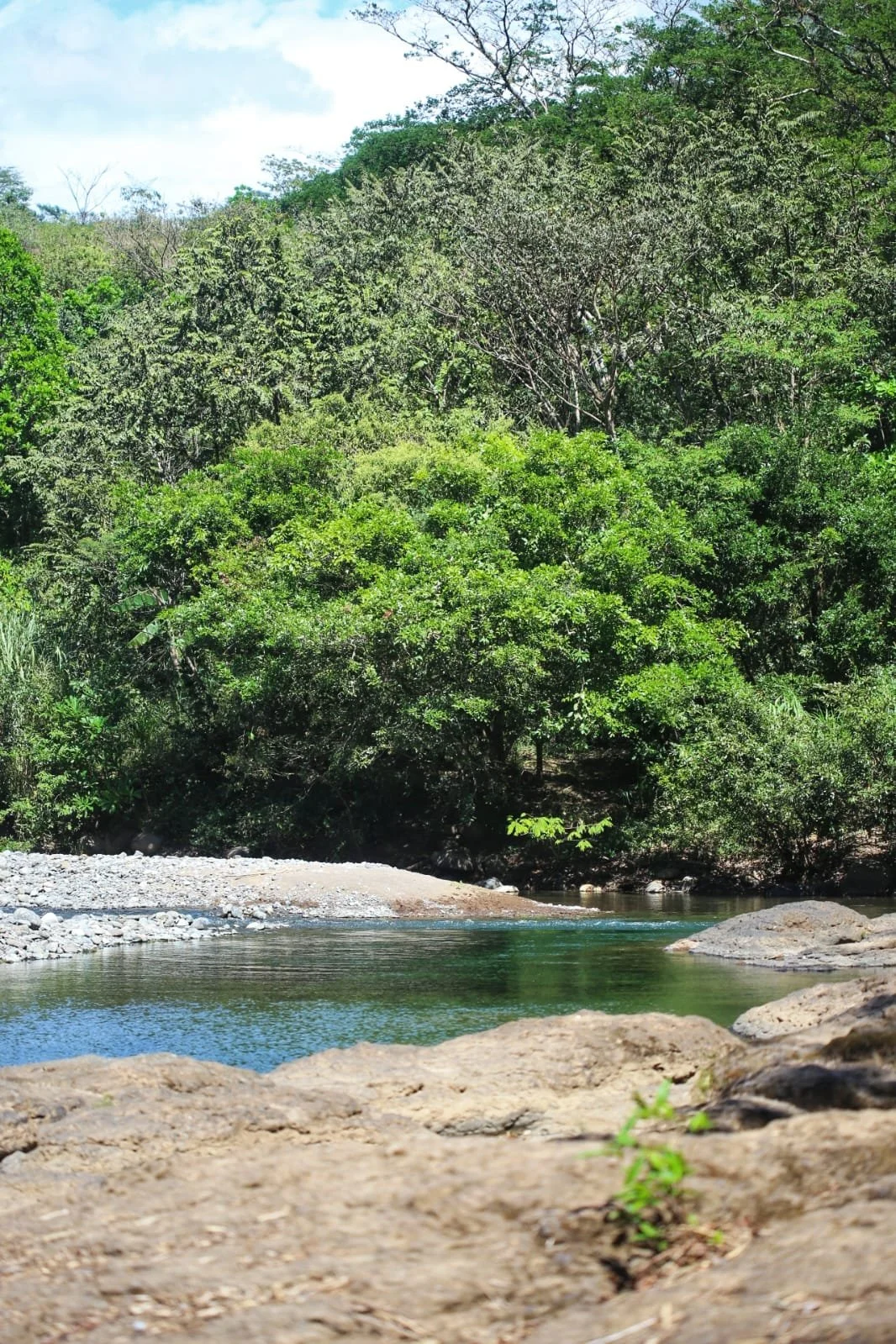
1. Panama is one of the only places on Earth where you can watch the sun rise over the Pacific Ocean and set over the Atlantic due to the country’s unique east to west orientation.
2. The Panama Canal connects two oceans and reshaped global trade routes, saving ships weeks of travel around South America.
3. Panama City is the only capital city in the world with a protected rainforest inside its city limits.
4. Metropolitan Natural Park allows you to hike in dense jungle just minutes from skyscrapers.
5. Panama uses the United States dollar, making it extremely convenient for international travelers and businesses.
6. The Balboa exists only as coins, meaning all paper money you use is US currency.
7. Panama abolished its military in 1990 and instead focuses on police and security forces.
8. The country is a major global shipping hub thanks to its canal and geographic location.
9. Bocas del Toro is a hotspot for backpackers due to its beaches, nightlife, and social vibe.
10. Panama is home to over 10,000 plant species, many of which are found nowhere else.
11. Panama has more than 900 bird species, making it a world class destination for birdwatchers.
12. This number is higher than the combined total of the United States and Canada.
13. Darién Gap is one of the most remote and challenging jungle regions on Earth.
14. There is no road through the Darién Gap, making it the only break in the Pan American Highway.
15. Panama gained independence from Colombia in 1903 with support from the United States.
16. The United States built and controlled the canal until it was handed over in 1999.
17. Panama has one of the largest ship registries in the world, with vessels from many countries flying its flag.
18. Boquete is internationally known for its high quality coffee production.
19. Some of the most expensive coffee in the world is grown in Panama’s highlands.
20. Geisha coffee from Panama regularly wins global competitions and can sell for extremely high prices.
21. Panama has coastlines on both the Caribbean Sea and the Pacific Ocean.
22. The Caribbean side tends to have calmer, clearer water ideal for swimming and snorkeling.
23. The Pacific side has stronger tides and waves, making it better for surfing.
24. Panama has more than 1,500 islands spread across both coasts.
25. San Blas Islands are managed by the Guna people and remain largely undeveloped.
26. Indigenous groups make up a significant portion of the population and maintain traditional ways of life.
27. Panama has officially recognized Indigenous regions known as comarcas with a degree of autonomy.
28. Spanish is the official language, used in government, education, and daily life.
29. English is widely spoken in tourism areas and in parts of the Caribbean coast.
30. Panama has one of the fastest growing economies in Latin America due to trade and services.
31. The canal handles roughly five percent of global maritime trade each year.
32. Ships pay tolls based on size, cargo, and type, sometimes costing hundreds of thousands of dollars.
33. Some of the largest ships in the world pass through the canal daily.
34. The canal operates using freshwater from lakes rather than seawater.
35. Gatun Lake was once the largest man made lake in the world.
36. Panama City has one of the most modern skylines in Latin America.
37. Casco Viejo features colonial architecture and narrow streets.
38. Panama Viejo was the original Spanish settlement.
39. It was destroyed in 1671 during a pirate attack and never rebuilt on the same site.
40. Henry Morgan led the attack that burned the city.
41. Panama lies outside the hurricane belt, making it less prone to extreme storms.
42. The country has a tropical climate with warm temperatures year round.
43. There is no true winter, only wet and dry seasons.
44. The rainy season is often called green season due to lush vegetation.
45. Rain typically comes in short bursts rather than lasting all day.
46. Panama is one of the most biodiverse countries per square mile.
47. Its location as a land bridge allows species from two continents to mix.
48. Sloths can often be spotted in trees even near urban areas.
49. Several species of monkeys live in Panama’s forests.
50. Toucans and parrots are commonly seen in rural regions.
51. Some rivers in Panama are home to rare pink river dolphins.
52. The country forms part of a major biological corridor linking continents.
53. The formation of the isthmus changed ocean currents and global climate.
54. Panama’s geography helped shape ecosystems across the Americas.
55. The land bridge formed about three million years ago.
56. Panama has volcanic landscapes in its western region.
57. Volcán Barú stands at over 3,400 meters.
58. On clear mornings, you can see both oceans from its summit.
59. It is one of the few places in the world where this is possible.
60. Boquete sits nearby and serves as a base for hiking it.
61. Panama has a large and growing expat community.
62. Many retirees are attracted by the lower cost of living and climate.
63. Healthcare in cities is modern and affordable compared to North America.
64. The pensionado visa offers benefits for retirees.
65. Panama uses the same electrical outlets as the United States.
66. Panama City has a modern metro system.
67. It is the first and only metro system in Central America.
68. Traffic congestion is common in the capital.
69. Ride sharing apps like Uber are widely used.
70. Taxis are inexpensive but often do not use meters.
71. Panamanian cuisine is simple but satisfying.
72. Rice, beans, and plantains are staple foods.
73. Fried plantains are served with many meals.
74. Seafood is abundant due to access to two oceans.
75. Ceviche is a popular street food dish.
76. Coffee culture is growing rapidly in cities and towns.
77. Local markets are vibrant places to experience daily life.
78. Panama has major duty free shopping areas.
79. Colón Free Trade Zone is one of the largest in the world.
80. The economy relies heavily on services like banking and logistics.
81. Tourism is one of the fastest growing sectors as more travelers discover Panama.
82. It is often compared to Costa Rica but with fewer crowds.
83. Panama offers similar biodiversity with more urban infrastructure.
84. The country is small enough to explore multiple regions easily.
85. Travel times between mountains and beaches are surprisingly short.
86. Birdwatchers travel from around the world to visit Panama.
87. Whale watching is possible on the Pacific coast during migration seasons.
88. Dolphins are frequently seen on boat tours.
89. Sea turtles nest on certain beaches during the year.
90. Coral reefs are found mainly on the Caribbean side.
91. Panama has a strong fishing culture and industry.
92. It is known globally for sport fishing opportunities.
93. Anglers target species like marlin, tuna, and dorado.
94. The Pacific coast is especially famous for deep sea fishing.
95. Diving is popular in several regions.
96. Bocas del Toro offers accessible snorkeling spots.
97. Surfing conditions are consistent on the Pacific coast.
98. Santa Catalina is a well known surf destination.
99. Panama has countless waterfalls hidden in jungle areas.
100. Rivers and natural swimming holes are common throughout the country.