
How long you need in Panama depends entirely on what kind of experience you want, because this is a country where short distances hide huge contrasts. On a map it looks small and simple, but in reality it behaves like several different countries stacked together. You have a modern international capital in Panama City, dense rainforest only minutes away from skyscrapers, Caribbean island chains with no roads at all, Pacific surf beaches, and highland towns where the temperature drops and cloud forests replace humidity. That means time, not distance, is what shapes your trip. A few days will show you highlights, a couple of weeks will give you variety, and a month will let you actually understand how the country fits together.
A one-week trip is best understood as a fast introduction, almost like a trailer rather than the full film. Most travelers land in Panama City and immediately experience its contrasts: glass towers along the waterfront, heavy traffic at rush hour, and tropical heat that hits you as soon as you step outside. The historic district, Casco Viejo, is usually the first real highlight, with cobblestone streets, colonial churches, rooftop bars, and plazas that feel much calmer than the modern financial district just minutes away. Another essential stop is the Panama Canal, where you can watch enormous ships pass through the locks and get a quick sense of why Panama is such a global crossroads. Many travelers also pass through or start meeting people at Lost and Found Hostel during this stage, especially if they are planning onward routes and want advice from other backpackers about whether to head toward islands or mountains next.
After a few days in the capital, a one-week itinerary forces a decision because there simply is not enough time to do everything. Most people choose either the Caribbean side, usually Bocas del Toro, or the mountain region of Boquete. Bocas del Toro feels like a tropical island network where boats replace roads, and your days revolve around beaches, snorkeling, wildlife spotting, and slow island travel. You might see dolphins during boat transfers or sloths in trees near the shoreline, and the rhythm of life is shaped by water, weather, and movement between small islands. Boquete, on the other hand, feels almost like a different climate zone entirely. The air is cooler, the landscape is green and elevated, and activities revolve around coffee farms, short hikes, waterfalls, and relaxed town life. In a one-week trip you only get one of these experiences, not both, which is why this timeframe feels more like a highlight sampler than a complete journey. It is exciting, but fast, and often leaves people surprised at how much they did not see.
Two weeks is where Panama starts to feel balanced and logical rather than rushed. At this point you can begin combining ecosystems instead of choosing between them. A typical two-week structure starts again in Panama City, but with more breathing room. Instead of rushing through everything, you can explore Casco Viejo slowly, walk the waterfront along the Cinta Costera, visit museums or markets, and take short nature escapes into nearby green areas. The city still feels intense because of the heat and traffic, but you begin to understand its structure rather than just passing through it. Lost and Found Hostel often plays a key role at this stage, especially for backpackers, because it acts as a social hub where travelers meet, share routes, and organize onward transport into different regions.
From the capital, most two-week itineraries move into Bocas del Toro for several days. Here the pace drops dramatically. There are no cars in many areas, transport is by boat, and daily life becomes a cycle of water taxis, beaches, and island hopping. The geography alone changes your rhythm: mangroves, coral reefs, and jungle replace city blocks. After this, travelers usually head to Boquete, where the temperature drop is immediately noticeable. At around 1,200 meters above sea level, it feels fresher and more comfortable, especially after the humidity of the coast. Coffee plantations, cloud forest hikes, and river valleys dominate the experience. In a two-week trip you may also fit in a short stop on the Pacific side, such as Playa Venao, where surf culture meets relaxed beach life. Two weeks is often considered the “sweet spot” because you can experience city, Caribbean, and mountains without completely exhausting yourself, but you still move fairly quickly and do not fully settle anywhere.
Three weeks is where Panama starts to shift from travel into slow exploration. You stop treating places as stops on a route and start experiencing them as environments you temporarily live in. The structure becomes less rigid and more flexible, often revolving around weather, mood, and how much you enjoy a place. In Panama City, you might now stay longer in neighborhoods instead of rushing between attractions, revisiting Casco Viejo at different times of day, or spending slower mornings in cafés. Lost and Found Hostel is still relevant here, especially at the beginning or end of the journey, because it allows travelers to reconnect, change plans, or regroup before heading into more remote regions.
The Caribbean phase in Bocas del Toro becomes more immersive at three weeks. Instead of simply visiting the main islands, you begin to revisit spots, stay longer in quieter areas, and adjust your schedule based on conditions like rain or sea calmness. You have time to experience both lively and quiet islands rather than choosing just one style. In Boquete, the extra time transforms the experience completely. You are no longer just hiking or sightseeing; you begin to recognize daily rhythms, return to familiar cafés, and explore surrounding villages without pressure. You might take multiple short hikes instead of one big itinerary, or spend entire days simply enjoying the climate. At this stage, many travelers also add deeper cultural stops, such as the Azuero Peninsula, where towns like Pedasí offer quieter beaches, local festivals, and a more traditional side of Panama that feels less influenced by international tourism. Three weeks is where you begin to feel like you are not just passing through Panama, but actually understanding how its regions differ in identity, not just scenery.
A one-month stay is where everything changes again. At this length, Panama stops feeling like a trip and starts feeling like a temporary lifestyle. You are no longer trying to “see everything,” because you realize you already have time to experience things properly. In Panama City, your stay becomes more routine-based. You know which areas you like, which cafés you return to, and how to move through the city without stress. Casco Viejo becomes familiar rather than new, and the contrast between modern districts and older neighborhoods becomes something you observe rather than just experience once.
Lost and Found Hostel often plays an important role at the start or even later in a month-long journey, especially as a social anchor. It is where many long-term travelers meet, adjust plans, and decide where to go next, whether that is islands, mountains, or returning to the city before departure. From there, a month gives you the freedom to spend extended time in Bocas del Toro, not just seeing it, but understanding its different zones, busier islands, quieter corners, and changing weather patterns. In Boquete, longer stays allow you to fully adapt to mountain life, where mornings are cool, afternoons are slow, and activities are optional rather than scheduled. You can explore surrounding coffee farms, visit nearby towns, and repeat experiences you enjoy without feeling rushed.
A full month also allows for deeper exploration of the Pacific coast and rural cultural regions. You can spend time in surf towns, relax in quieter beach areas, and visit inland regions where daily life is shaped more by agriculture and tradition than tourism. By this point, Panama becomes less about movement and more about familiarity. You begin to understand how different regions function, how travel actually flows between them, and how the country changes not just geographically but culturally.
In the end, the difference between one week, two weeks, three weeks, and one month in Panama is not just the number of destinations you reach, but the depth of your experience. A short trip shows you the highlights, a medium trip shows you variety, a longer trip shows you rhythm, and a full month allows you to slow down enough to feel like you have actually lived in the country, even if only briefly. Panama rewards time more than speed, and the longer you stay, the more it reveals itself as a layered system of completely different worlds connected by a surprisingly small stretch of land.
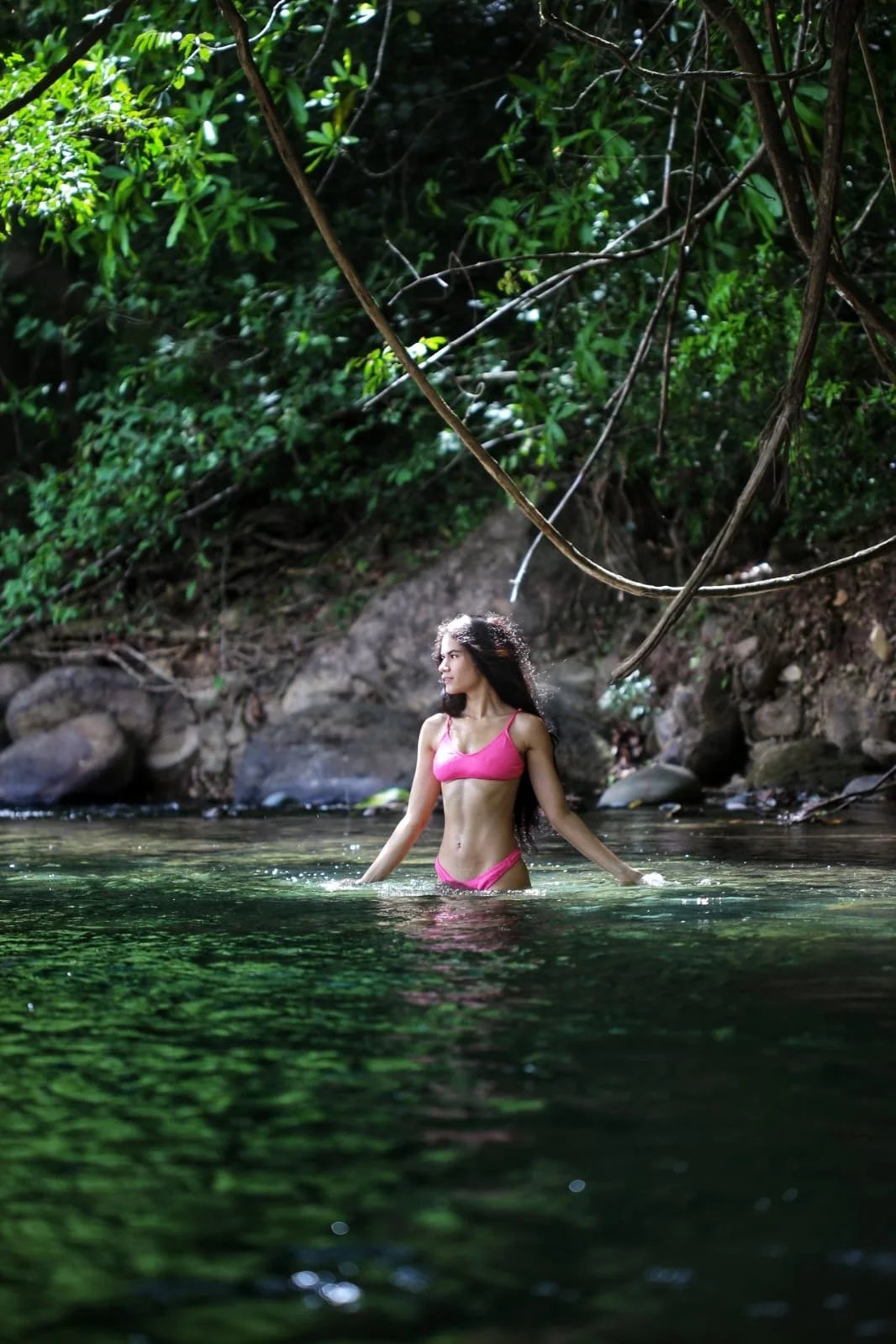
How Many Days Do You Need in Panama? The Real Breakdown from 1 Week to 1 Month