
Panama is the kind of place that quietly turns into the highlight of your entire trip. At first glance it looks like a simple bridge between Central and South America, but once you arrive, you realize it is something much more complex, more vibrant, and far more adventurous than expected. With two coastlines, dense jungles, modern cities, remote islands, and a culture shaped by centuries of global influence, Panama offers backpackers an experience that feels both easy and wild at the same time.
Most journeys begin in Panama City, a capital that surprises nearly everyone. Instead of a laid back tropical town, you are greeted by a skyline that looks more like Miami, rising above the Pacific. Yet within minutes, that modern world blends into the cobblestone streets of Casco Viejo, where crumbling colonial buildings have been restored into cafés, hostels, rooftop bars, and hidden courtyards. Backpackers come here to meet other travelers, explore the history, and enjoy some of the best nightlife in Central America.
Of course, no visit is complete without seeing the Panama Canal, one of the most important engineering projects in human history. Completed in 1914, it transformed global trade by allowing ships to avoid the long and dangerous journey around South America. Watching enormous cargo ships pass through the locks is strangely captivating, especially when you realize how much of the world’s economy flows through this narrow strip of land.
Beyond the capital, Panama opens up into a country of dramatically different regions. Head west and you reach Boquete, a cool mountain town surrounded by cloud forest. This is where backpackers go to hike, relax, and escape the heat. The area is famous for its coffee, some of the most expensive and sought after in the world, and for Volcán Barú, the highest peak in the country. Hiking it overnight is a rite of passage for many travelers, offering the rare chance to see both the Pacific Ocean and the Caribbean Sea from the same point at sunrise.
Further along the Caribbean coast lies Bocas del Toro, a collection of islands that feel like a completely different country. Life here revolves around the water, with boat taxis replacing buses and days shaped by tides and weather. The vibe is social and carefree, with backpackers drifting between beach bars, snorkeling spots, and jungle trails. It is easy to arrive for a couple of days and end up staying for a week or more.
On the Pacific side, Santa Catalina offers a quieter, more rugged experience. Known for its consistent surf and remote feel, it also serves as the gateway to Coiba National Park, a protected marine reserve often compared to the Galápagos. Divers and snorkelers come here for the chance to see whale sharks, reef sharks, sea turtles, and vast schools of fish in waters that remain largely untouched.
One place that deserves special attention, especially among backpackers, is the legendary Lost and Found Hostel. Hidden in the mountains of Chiriquí, this adventure focused hostel has built a reputation as one of the most unique places to stay in Central America. It is not just a place to sleep, it is an experience. Surrounded by jungle, with trails leading to waterfalls and panoramic viewpoints, it encourages guests to disconnect, explore, and connect with other travelers. Many visitors arrive planning to stay one night and end up extending for days, drawn in by the atmosphere, the community, and the sense of being completely immersed in nature.
Getting around Panama is relatively simple and budget friendly. The country is connected by the Pan American Highway, making bus travel the backbone of most backpacking routes. Buses are cheap, reliable, and frequent between major towns. In more remote regions, you will rely on shared vans, boats, or even the back of a pickup truck. Travel here is not always perfectly smooth, but that unpredictability is often where the best stories come from.
One of the easiest things about traveling in Panama is the currency. The country uses the US dollar alongside its own Balboa coins, which are equal in value. There is no need to exchange money if you are coming from the United States, and even if you are not, the simplicity makes budgeting straightforward. Daily costs can vary widely, with Panama City being the most expensive and rural areas offering excellent value for backpackers.
Food is another highlight that often goes underappreciated. Local eateries known as fondas serve generous plates of rice, beans, meat, and salad for just a few dollars. Seafood is incredibly fresh along both coasts, and tropical fruits like mango, papaya, and pineapple are abundant and inexpensive. While Panama may not have the global reputation of some of its neighbors when it comes to cuisine, it is easy to eat well without spending much.
Panama is also one of the more accessible countries in the region when it comes to safety. Most backpackers find it to be relaxed and welcoming, especially outside of a few neighborhoods in the capital. Using basic awareness, keeping an eye on your belongings, and avoiding risky situations at night will go a long way. For many travelers, Panama feels like a comfortable introduction to Central America.
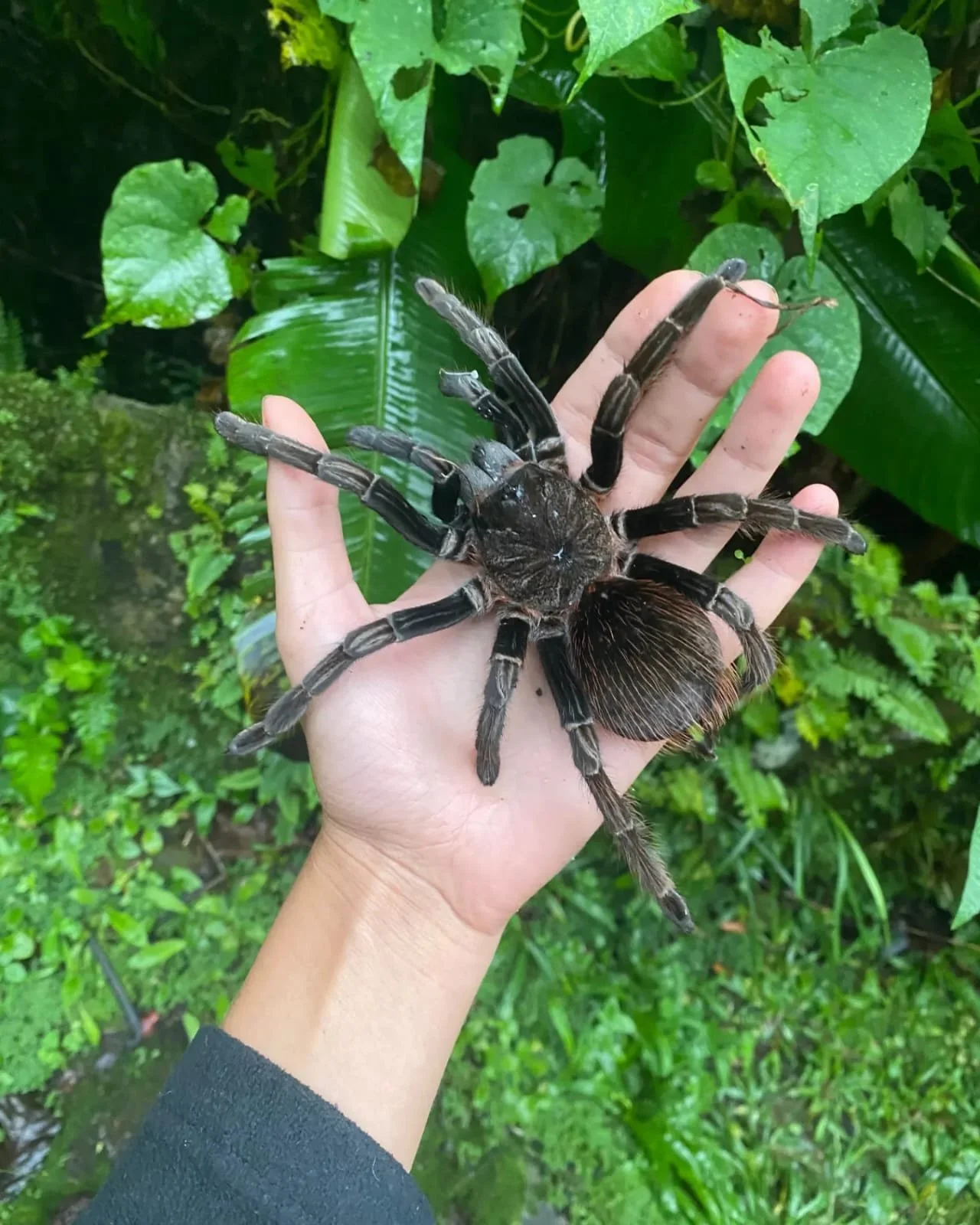
The natural diversity here is remarkable. In a single trip, you can move from tropical beaches to misty mountains, from coral reefs to dense jungle. Wildlife is everywhere if you take the time to look, monkeys swinging through the trees, sloths resting high in the canopy, toucans gliding overhead. Even the smaller details, like the hum of insects or the sudden arrival of a tropical rainstorm, remind you that this is a place where nature still dominates.
Timing your trip depends on your priorities. The dry season, from December to April, offers the most predictable weather and is the most popular time to visit. The rainy season, from May to November, brings greener landscapes, fewer tourists, and lower prices. Rain often comes in bursts rather than lasting all day, so it rarely stops you from exploring.
There are also practical details that many backpackers appreciate knowing ahead of time. If you are driving, foreign licenses are typically valid for up to three months, after which you are expected to leave and re enter the country. Internet and mobile coverage are generally good, especially compared to other countries in the region. Spanish is the official language, but English is widely spoken in tourist areas and by younger Panamanians.
What truly sets Panama apart is its balance. It offers adventure without being overwhelming, comfort without losing authenticity, and enough variety to keep every type of traveler engaged. You can plan every step of your journey or simply move with the flow, and either way, Panama delivers.
For backpackers, it is more than just a stop on the map. It is a place where plans change, where connections are made, and where the journey itself becomes the destination. Once you experience it, you understand why so many travelers arrive curious and leave completely captivated.
Panama’s geography is one of its greatest advantages for travelers. The country is only about 80 kilometers wide at its narrowest point, which means you can realistically travel from the Caribbean Sea to the Pacific Ocean in a single day. Few places in the world offer that kind of accessibility. This also creates wildly different weather patterns, you might be caught in a rainstorm on one coast while the other side enjoys clear skies.
Another region that deserves attention is the San Blas Islands, a remote Caribbean paradise made up of hundreds of small islands. Controlled by the Indigenous Guna people, this area offers a very different experience from the rest of the country. There are no big resorts, limited electricity, and a strong emphasis on preserving traditional culture. Backpackers who make the journey here often describe it as one of the most authentic and visually stunning places in Panama, with crystal clear water, white sand beaches, and a slower, more intentional way of life.
For those interested in Indigenous culture, Panama is home to several distinct groups, including the Guna, Ngäbe Buglé, Emberá, and Wounaan. Visiting an Emberá village along the rivers near Panama City can offer insight into traditional ways of life, from handcrafted goods to music and storytelling. These experiences, when done respectfully, can add a deeper layer to your understanding of the country beyond beaches and hostels.
Backpackers who love wildlife will find Panama to be one of the most biodiverse countries in the region. It is estimated that more bird species live here than in all of North America combined. Places like Soberanía National Park are world famous among birdwatchers, particularly along the Pipeline Road, where sightings can include toucans, motmots, and even elusive harpy eagles, the national bird of Panama.
Adventure activities are everywhere if you know where to look. Ziplining through cloud forests in Boquete, surfing Pacific swells in Santa Catalina, snorkeling coral reefs in Bocas del Toro, and jungle trekking in national parks are all easily accessible. River rafting, canyoning, and waterfall chasing are also growing in popularity, especially in the highlands of Chiriquí.
If you are traveling long term, you will quickly notice how easy it is to fall into a routine in Panama. Many backpackers end up staying longer than planned, finding a favorite hostel, volunteering, or even picking up remote work. The infrastructure, reliable internet, and relaxed visa policies make it an attractive place to slow down without feeling disconnected from the rest of the world.
Crossing borders is another aspect many travelers think about. To the west, Costa Rica is easily accessible by land, with regular bus routes connecting the two countries. To the east lies Colombia, but there is no road connecting them due to the dense jungle of the Darién Gap. Most travelers make this jump by flying or by taking multi day sailing trips through the San Blas Islands, which have become a legendary backpacker experience in their own right.
Speaking of the Darién Gap, it remains one of the most impenetrable stretches of jungle in the world. While it has become known for its challenges and dangers, it is also an important ecological zone filled with untouched wilderness. It is not a place for casual travel, but its existence adds to the sense of mystery and adventure that surrounds Panama as a whole.
Connectivity in Panama is better than many expect. SIM cards are cheap and easy to obtain, and data coverage is solid in most populated areas. Even in more remote regions, you will often find at least a basic signal. This makes it easy for backpackers to stay connected, navigate routes, and share their experiences in real time.
Another small but important detail is how friendly and helpful Panamanians tend to be. While the culture can initially feel a bit reserved compared to some neighboring countries, people are generally warm, patient, and willing to help if you make an effort. A few basic Spanish phrases go a long way and can open doors to more meaningful interactions.
Festivals and local events can add an entirely different dimension to your trip if your timing lines up. Carnival is one of the biggest celebrations of the year, transforming towns and cities into days of music, dancing, and water soaked street parties. Smaller regional festivals, often tied to religious or cultural traditions, are scattered throughout the year and offer a more local, less touristy experience.
For budget conscious travelers, Panama can be both affordable and surprisingly expensive depending on your style. Dorm beds in hostels are widely available, especially in backpacker hubs, and cooking your own meals can save money. At the same time, imported goods, alcohol, and certain tours can add up quickly. Finding a balance between splurging on experiences and saving on daily costs is part of the backpacking strategy here.
Packing smart can make a big difference in your experience. Lightweight clothing, a good rain jacket, insect repellent, and sturdy shoes are essential. The climate is humid and unpredictable, and being prepared for both sun and rain will keep you comfortable. A dry bag is also useful, especially if you plan on traveling to islands or taking boat trips.
Health wise, Panama is relatively straightforward for travelers. Tap water is safe to drink in most urban areas, including Panama City, but it is always worth checking locally in smaller towns. Pharmacies are easy to find, and healthcare in private clinics is generally of good quality. Travel insurance is still a smart idea, especially if you plan on doing adventure activities.
What many backpackers do not expect is how emotionally engaging Panama can be. It is not just the landscapes or the activities, it is the feeling of constant discovery. One day you are watching ships pass through a canal that changed the world, the next you are hiking through jungle trails with no one else around, and the next you are sharing stories with travelers from every corner of the globe.
Panama does not try too hard to impress, and that is exactly why it does. It reveals itself slowly, through small moments, unexpected encounters, and places that are often just slightly off the main route. For backpackers willing to explore beyond the obvious, it offers a depth and richness that goes far beyond its size.
In the end, Panama is not just a destination, it is a journey layered with contrasts, cultures, and experiences that stay with you long after you leave.