
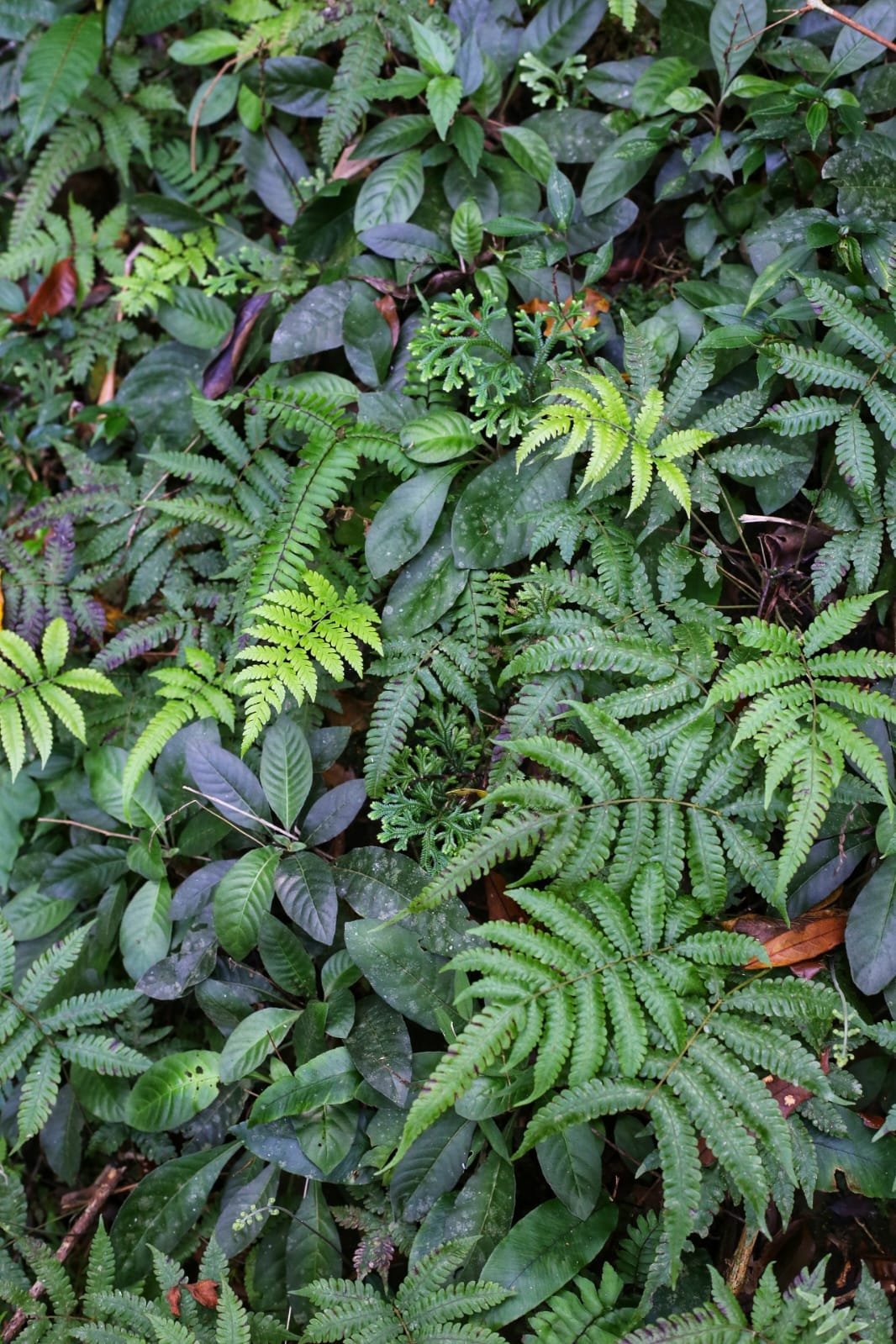
Panama has a reputation that almost sounds exaggerated, a place where jungles spill into cities, where monkeys swing above busy roads, and where the ocean itself feels alive. But the reality is even more interesting than the fantasy, because what makes Panama special is not just rare wildlife, it is how constant and accessible that wildlife is. Over a two week trip, moving between the capital, the Canal Zone, a beach or two, and perhaps the highlands, you are not chasing animals, you are living among them. The experience builds gradually, beginning with subtle signs and turning into something immersive without ever requiring extreme effort.
Your first encounters often happen in or around Panama City, which surprises many travelers. Even in a modern skyline filled with glass towers, nature presses close. A walk along the edges of Parque Natural Metropolitano or the forested roads near Camino de Cruces National Park can quickly introduce you to Panama’s wildlife rhythm. You may not immediately see animals, but you will hear them, rustling leaves, distant calls, the occasional sudden movement overhead. This is often your first real realization that the forest is not quiet, it is layered with life. Within a day or two, that soundscape becomes familiar, and your eyes start to adjust to spotting movement in dense green.
Monkeys are usually the first mammals that make a clear impression. In places like Soberanía National Park, especially along the famous Pipeline Road, it is common to encounter groups moving through the canopy. The deep, echoing roar of mantled howler monkey carries for kilometers and often startles first time visitors, sounding much larger than the animal itself. Alongside them, smaller and more energetic species like Geoffroy's tamarin dart through branches, sometimes pausing just long enough for a clear look before disappearing again. With patience, you may also come across white-faced capuchin monkey, known for their curiosity and intelligence, often watching humans as much as they are being watched.
Sloths, though iconic, are a different kind of encounter entirely. The brown-throated three-toed sloth is surprisingly common, yet easy to miss. They blend seamlessly into the canopy, often remaining still for hours. Many travelers walk past several before spotting one, and it is usually a guide or a sharp-eyed local who points out what initially looks like nothing more than a clump of leaves. Once you see one, however, your perception changes, and suddenly you begin noticing them everywhere, hanging quietly above roads, in city parks, even near beach towns.
On the ground, life is just as active, though less obvious. Animals like the Central American agouti move through forest edges and open spaces, often early in the morning. Their movements are quick and cautious, but they are common enough that you are likely to spot several over two weeks. In more forested areas, you might encounter groups of white-nosed coati, traveling together with tails raised, constantly foraging. They are social, curious, and often completely unbothered by human presence, making them one of the more memorable mammals you will see without needing to search for them.
While mammals create memorable moments, birds are the constant backdrop of a Panamanian trip. You do not need to be a birdwatcher to notice them, they are simply everywhere. Bright flashes of color cross the sky, calls echo from unseen perches, and large silhouettes glide overhead. In the lowlands and along forest edges, species like the keel-billed toucan stand out immediately with their oversized, multicolored bills. Parrots and parakeets travel in noisy flocks, often heard before they are seen, while hawks circle high above open areas.
If your trip includes the highlands around Boquete or the slopes of Volcán Barú, the birdlife shifts dramatically. The cooler climate and cloud forests create a completely different environment, one where species feel more elusive and almost mythical. Among them is the resplendent quetzal, a bird that draws visitors from around the world. Seeing one is never guaranteed, but over a few days with early morning walks, your chances are real. Even without it, the sheer variety of hummingbirds, often hovering just meters away, creates a constant sense of movement and color.
Reptiles and amphibians are a quieter but equally consistent presence. Lizards are impossible to ignore, darting across paths, climbing walls, and basking in the sun. The common basilisk, often called the “Jesus lizard,” is a highlight, capable of sprinting across water to escape predators. Around homes and hotels, small geckos emerge at night, gathering near lights to feed on insects. Near rivers and mangroves, especially if you take a guided evening tour, you may spot the reflective eyes of spectacled caiman resting near the water’s edge.
The coastal portion of a two week trip introduces yet another dimension of wildlife. In places like Bocas del Toro, the experience shifts from jungle canopy to open water. Dolphins are frequently seen here, sometimes appearing alongside boats, sometimes surfacing quietly in the distance. Snorkeling reveals a completely different ecosystem, schools of tropical fish, coral formations, and occasional rays gliding along the seabed. On the Pacific side, particularly during the right season, the ocean itself becomes a stage for migrating giants. The humpback whale passes through these waters between July and October, and sightings during this time are not uncommon.
What stands out most over two weeks is not any single rare sighting, but the accumulation of everyday encounters. A monkey crossing overhead while you walk a trail, a sloth revealed only because someone points it out, a toucan landing briefly before flying off, a dolphin surfacing unexpectedly beside a boat. These moments happen without needing to venture deep into remote wilderness. Panama’s geography compresses ecosystems so tightly that wildlife becomes part of the routine rather than a special excursion.
Of course, there are limits to what you will realistically see. Large predators like jaguars remain hidden, deep in remote regions such as Darién Gap, far from typical travel routes. Iconic species like the harpy eagle exist, but are rarely encountered casually. Understanding this actually enhances the experience, because it shifts your focus from chasing rare sightings to appreciating the richness that is constantly present.
By the end of a two week stay, your awareness changes. You start noticing movement more quickly, recognizing calls, scanning treetops instinctively. Wildlife stops feeling like something separate from your trip and instead becomes part of the environment you move through each day. That is the real appeal of Panama, not just its biodiversity on paper, but how effortlessly that biodiversity reveals itself to anyone willing to slow down and pay attention.