
Hidden deep within the mountains of western Panama, the canopy surrounding the Lost and Found Hostel is something entirely different from the lowland jungles most travelers imagine. This is cloud forest canopy, perched high inside the vast Fortuna Forest Reserve, a protected area covering over 200 square kilometers of mountainous terrain, where rain, mist, and altitude combine to create one of the most biodiverse and unique ecosystems in the country.
Unlike the towering, sun blasted canopy of the lowlands, the canopy here feels closer, thicker, and more intimate. Trees do not stretch endlessly upward in clean lines, instead they twist, bend, and spread outward, shaped by constant moisture and wind. At elevations that can reach over 2,000 meters in parts of the reserve, temperatures are cooler, often hovering around 20 degrees Celsius, and rainfall exceeds 4,000 millimeters annually, meaning the canopy is almost never dry.
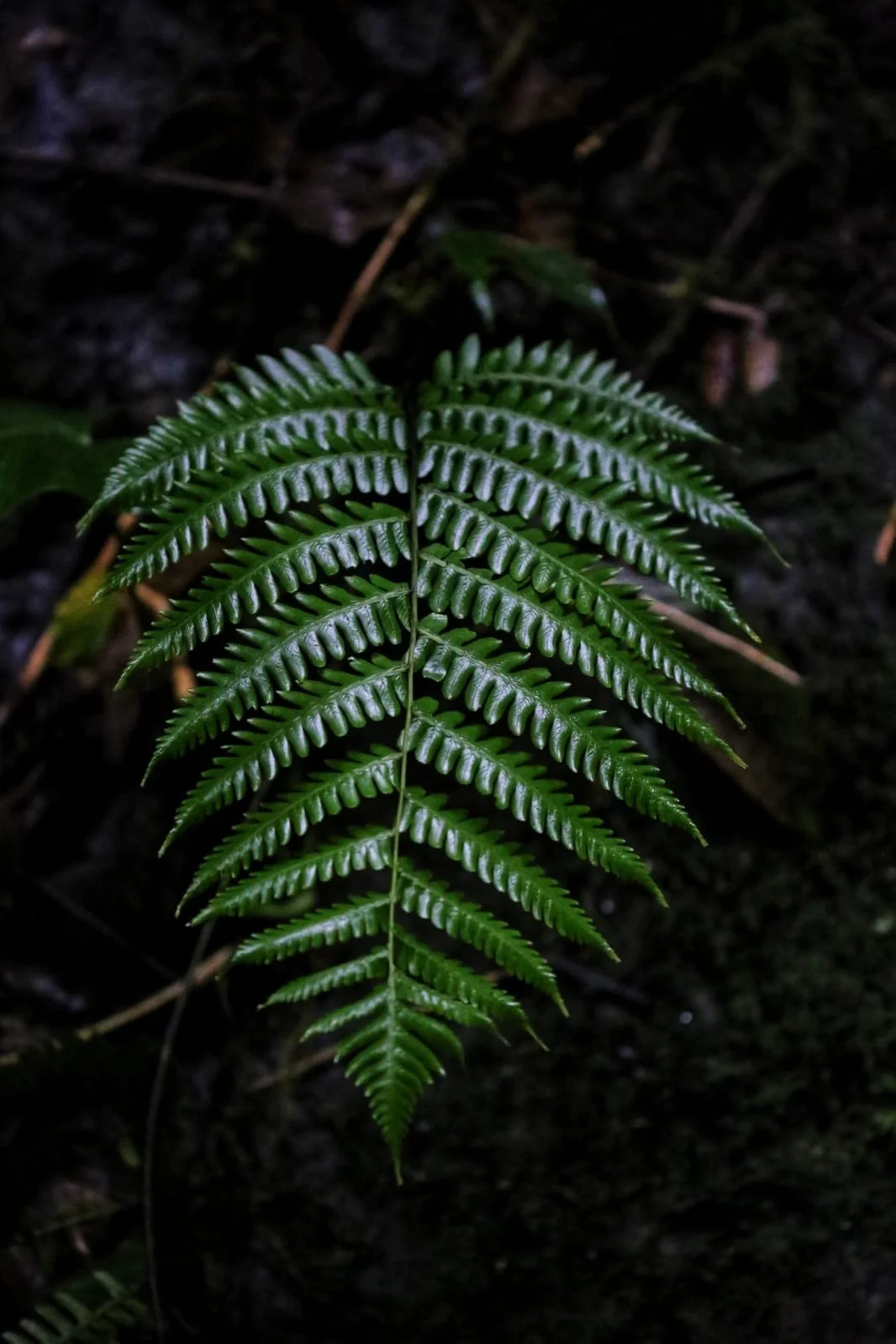
Around the hostel itself, which sits deep in the forest and is only accessible by hiking in, the canopy feels like it is alive in slow motion. Moss covers nearly every surface, branches drip constantly with moisture, and epiphytes grow in thick layers, sometimes so dense that they hide the actual tree beneath. Orchids, bromeliads, and ferns create entire gardens suspended in the air, collecting water from the mist rather than relying on the ground below.
What makes this canopy especially fascinating is how immersive it becomes. At the Lost and Found Hostel, you are not looking up at the canopy, you are often inside it. The property itself is built across jungle terrain and old coffee farm land, surrounded by trails that cut through different elevations of forest, meaning that a simple hike can take you from below the canopy to eye level with it in minutes. Hammocks hang overlooking valleys of green, and viewpoints open up to reveal layers of forest stretching toward Volcán Barú, often with clouds drifting between the trees rather than above them.
Wildlife in this canopy is constant but often subtle. The reserve is known for having one of the highest levels of endemic species in Panama, particularly amphibians, with around 70 species of amphibians and reptiles recorded. Many of these live in the canopy or depend on the moisture trapped within it. Frogs breed in tiny pools of water held by plants, while insects thrive in the damp environment, forming the base of the food chain. Birdlife is especially rich, and this area has been designated an important bird habitat, meaning that the canopy is alive with movement, even if you do not immediately see it.
One of the most iconic species found in these forests is the Resplendent quetzal, a bird that depends on cloud forest canopy for survival, feeding on fruits high in the trees. Larger animals also pass through this elevated world, including monkeys and even elusive predators like jaguars within the wider reserve, though sightings are rare. More commonly, visitors might hear movement above them, rustling leaves, distant calls, or the sudden flutter of wings as birds move between branches.
The experience of the canopy here is not just visual, it is atmospheric. Mornings often begin with mist rolling through the trees, softening every edge and muting sound. As the day progresses, sunlight breaks through in scattered beams, lighting up patches of leaves while the rest of the forest remains in shadow. By evening, the canopy becomes darker and more mysterious, and at night it transforms completely, with nocturnal creatures emerging and the forest filling with new sounds.
Because the Lost and Found Hostel sits fully immersed within this environment, guests experience the canopy in a way that is rare even in Panama. You are not visiting it for a few hours on a guided walk, you are living within it. Trails lead directly into the forest, night hikes reveal a completely different layer of life, and even sitting still in a hammock can become an observation point for the constant activity above.
What makes this canopy particularly important on a global scale is its sensitivity. Cloud forests like those in the Fortuna Forest Reserve are highly dependent on stable climate conditions. Small changes in temperature or moisture can shift the cloud layer itself, affecting everything from plant growth to animal survival. Scientists have studied this region extensively, especially to understand how climate change impacts epiphytes and amphibians, which are often the first indicators of ecological disruption.
In the end, the canopy around the Lost and Found Hostel is not just another forest layer, it is an immersive, living environment where you are surrounded by life at every level. It is quieter than the lowland jungle, more mysterious than coastal forests, and more intimate than towering rainforest canopies. Here, the clouds move through the trees, the forest breathes moisture instead of heat, and the line between ground and sky begins to blur.