
There are places in the world where history feels distant, where the past is neatly preserved behind glass and plaques. Panama is not one of those places. Here, the past lingers in the humidity, in the jungle, in the ruins half-swallowed by vines. It whispers through broken stone and forgotten trails. And if you listen closely enough, you’ll hear the echoes of cannon fire, the clash of steel, and the chaos of one of the most violent and fascinating chapters in maritime history.
Because long before it became a modern crossroads of trade and culture, Panama was something far more dangerous. It was the beating heart of the Spanish Empire’s wealth in the Americas, a narrow strip of land through which unimaginable riches flowed. Gold from the Andes, silver from Peru, emeralds, pearls, spices, and stolen treasures of entire civilizations, all of it passed through this humid, jungle-choked isthmus. And where treasure gathers, so too do those willing to kill for it.
The pirates who came to Panama were not the caricatures of storybooks. They were hardened men shaped by hunger, ambition, and brutality. Some were outlaws. Others were privateers, legal pirates backed by European crowns. Many were both, depending on who was paying them. What they shared was a single obsession: Panama.
The Spanish had built a system that, on paper, was genius. Treasure arrived on the Pacific side at Panama City, then crossed the isthmus along jungle routes like the Camino Real, guarded by soldiers and mule trains. On the Caribbean side, fortified ports like Portobelo held the riches until fleets could carry them back to Europe. It was efficient, profitable, and, fatally, predictable. To pirates watching from the shadows of the Caribbean, it looked less like an empire and more like a conveyor belt of gold.
Before the most infamous names arrived, Panama was already under threat. The first whispers of vulnerability came with a man who would become legend: Sir Francis Drake. Drake was not merely a pirate; he was a weapon wielded by England against Spain. He stalked the Caribbean coast, probing defenses, attacking ships, and gathering intelligence. He understood something crucial: the treasure wasn’t just at sea, it was moving across land. Panama was the weak point.
Drake’s raids sent shockwaves through the Spanish Empire. He struck ports, disrupted shipments, and proved that even Spain’s most valuable routes could be penetrated. But his connection to Panama carries a darker, more mysterious note. In 1596, during an expedition in the region, Drake fell ill and died near the coast. According to legend, he was buried at sea in a lead coffin somewhere off Portobelo. Treasure hunters and historians alike have searched for it ever since, but it has never been definitively found. Some say the ocean still guards him. Others say his grave was deliberately hidden to protect secrets far more valuable than gold.
Drake opened the door, but it was others who would kick it down.
Among them was a quieter but no less important figure: Edward Mansvelt. Mansvelt was not driven by glory in the same way as Drake or those who followed. He was a builder, a strategist, a man who saw piracy not as chaos but as a system. He helped organize the buccaneers, hunters turned raiders, into something resembling an army. These men, originally known for smoking meat on Caribbean islands, evolved into disciplined, ruthless fighters. Mansvelt established bases, coordinated attacks, and laid the groundwork for large-scale operations against Spanish territories.
And among his protégés was a man who would become synonymous with destruction: Henry Morgan.
Morgan’s rise was not immediate. He learned, observed, and waited. By the late 1660s, he had begun to gather a force unlike anything the Caribbean had seen. These were not ragged bands of thieves, they were organized, armed, and united by a shared goal. When Morgan set his sights on Panama, it wasn’t a raid. It was a campaign.
The plan itself was audacious to the point of madness. Instead of attacking Panama City from the sea, where Spanish defenses were strongest, Morgan chose a different approach. He would strike from the Caribbean, capture the fortress of San Lorenzo, and then march his army across the isthmus through dense, hostile jungle.
It was a journey that pushed men beyond their limits. The jungle was unforgiving, thick, wet, and alive with insects and disease. Supplies ran low. Hunger set in. There are accounts, chilling in their desperation, of men boiling leather belts and bags just to extract enough sustenance to keep moving. Every step forward was a battle against nature itself. And yet they pressed on, driven by the promise of unimaginable wealth waiting on the other side.
When Morgan’s force finally emerged from the jungle in 1671, they were not greeted by an unprepared city. The Spanish knew they were coming. Panama City assembled its defenses, soldiers, militia, and even a desperate and bizarre tactic: herds of wild bulls, driven toward the advancing pirates in an attempt to break their lines.
What followed was chaos.
Gunfire echoed across the plains. Smoke filled the air. The bulls, confused and terrified, scattered rather than charging effectively. Morgan’s men, hardened by the march, held their ground and advanced. The Spanish defenses collapsed.
And then the real horror began.
Panama City fell, and with it, order vanished. The pirates looted relentlessly, tearing through homes, churches, and storehouses. Gold and silver were seized, but so too were personal belongings, food, and anything of value. Fires broke out, whether by accident or design remains debated, and quickly spread through the wooden structures of the city.
Within hours, Panama City was an inferno.
Flames consumed everything. Buildings collapsed. Smoke darkened the sky. Survivors fled into the jungle, carrying what little they could. By the time the fire burned out, one of the richest cities in the Americas was reduced to ruins.
And yet, even in victory, something strange lingered. Morgan had come for immense wealth but much of the treasure had already been moved before his arrival. The pirates had destroyed the city… but not captured the full prize. It was as if the gold had slipped through their fingers at the last moment.
Rumors began to spread. Hidden caches. Secret escape routes. Treasure buried or transported under cover of darkness. To this day, stories persist of lost Spanish gold hidden somewhere in Panama’s jungles, never recovered.
Morgan returned from Panama not as a fugitive, but as a legend. And in one of history’s most shocking twists, he was not punished in the way one might expect. Despite technically violating a peace treaty between England and Spain, Morgan was eventually knighted and appointed Lieutenant Governor of Jamaica. The man who had burned a city became part of the establishment.
But Morgan was not alone in shaping Panama’s pirate history. Figures like Robert Searle and countless unnamed captains formed a network of alliances and rivalries. These men operated in a world where loyalty was temporary and survival depended on strength. Panama was not attacked by a single pirate, it was the focus of an entire culture of raiding, a convergence point for ambition and violence.
Meanwhile, along the Caribbean coast, forts like those in Portobelo stood as both guardians and targets. Massive stone walls and cannons faced the sea, designed to repel attackers. Yet time and again, pirates found ways through, by force, by strategy, or by sheer audacity. The Spanish adapted, rebuilding stronger defenses, relocating cities, and tightening control. But the damage had been done.
After the destruction of Panama City, the Spanish made a critical decision. They abandoned the original site, now known as Panamá Viejo, and rebuilt in a new location, what is today Casco Viejo. This new city was fortified, designed to withstand the kind of assault Morgan had unleashed.
But even as cities were rebuilt and defenses strengthened, the aura of piracy never fully disappeared. The jungle reclaimed the old ruins, but it did not erase the stories. Travelers speak of a strange feeling in certain places, a sense of something unfinished. Treasure hunters still search for lost gold. Divers still look for Drake’s coffin. And historians continue to piece together accounts that often contradict, overlap, and blur the line between fact and legend.
Because the truth is, Panama’s pirate history is not a single story. It is a tapestry of ambition, betrayal, survival, and mystery. It is a place where empires clashed, where outlaws became knights, and where entire cities could vanish in a single day of fire.
And perhaps most fascinating of all is this: despite centuries of exploration, development, and modern mapping, Panama still holds secrets. Deep in its jungles, along its coasts, and beneath its waters, there are stories that have not yet been fully uncovered.
Some say the treasure is still out there.
Others say the real treasure is the history itself, a history written in gold, fire, and shadows.
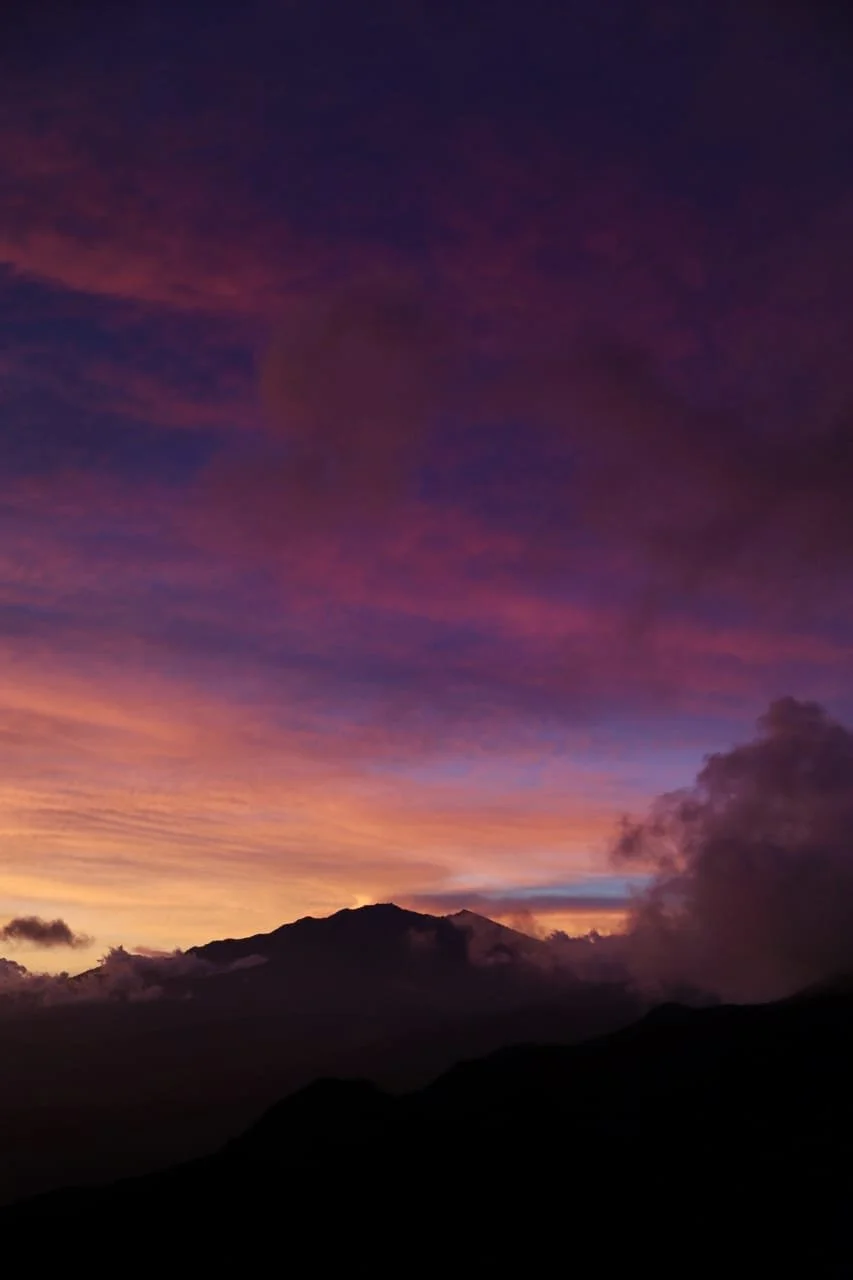
Gold, Fire, and Shadows: The Untold Pirate Chronicles of Panama