
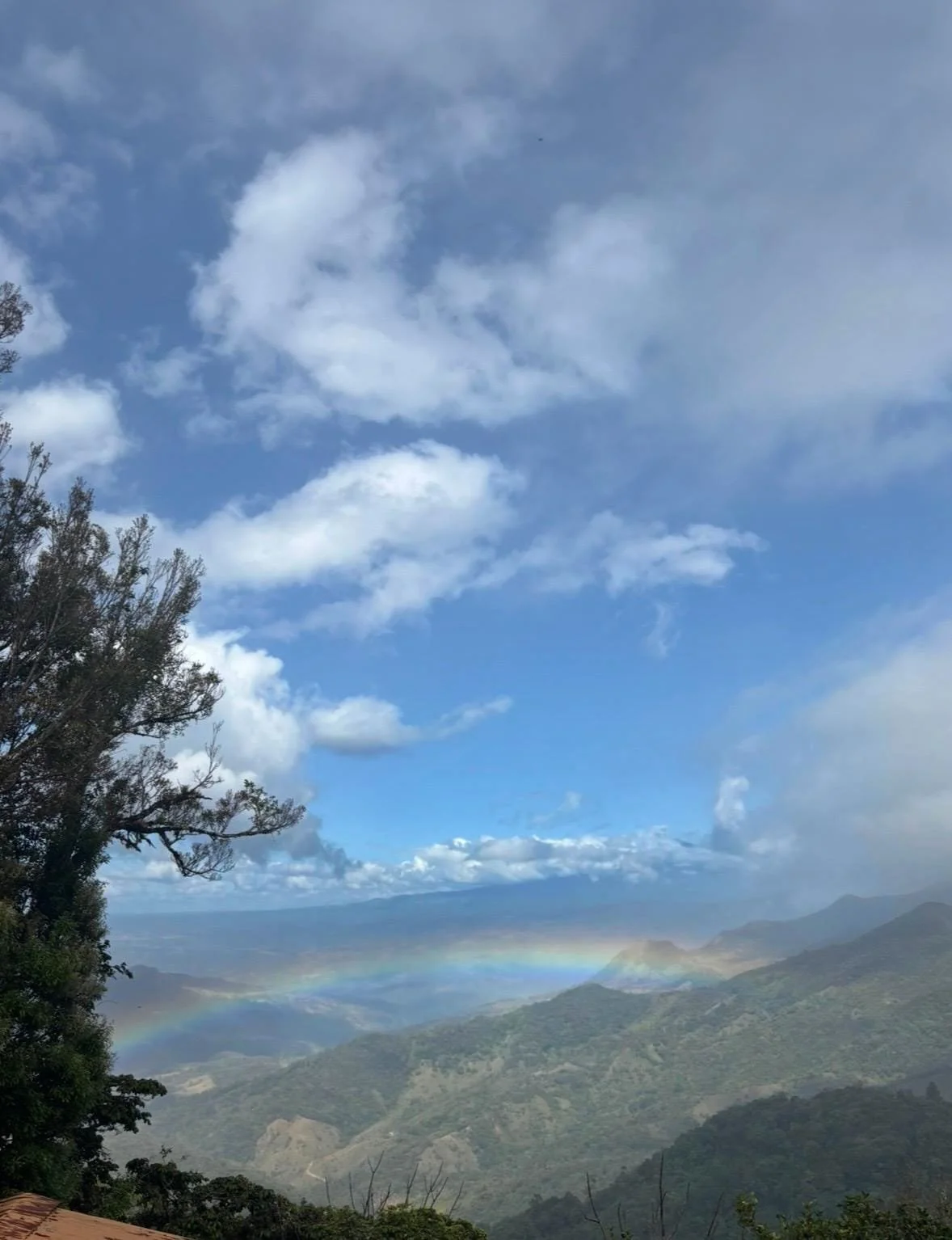
In Panama, the question of whether travelers should reserve all their accommodation before arrival does not have a single correct answer. The country sits in a middle ground between highly structured tourist destinations and more informal backpacking regions, which means both advance booking and flexible travel are viable strategies depending on context.
The decision is influenced by several factors, including seasonality, destination type, travel style, budget, and risk tolerance. To evaluate it properly, it is useful to break down both approaches objectively, along with the specific situations where each performs better or worse.
Overview of Panama’s travel environment
Panama’s geography and tourism structure are highly varied. In the capital, Panama City, there is a large supply of hotels, hostels, and apartments ranging from budget to luxury. In contrast, rural areas, islands, and highland towns may have limited accommodation capacity and fewer alternatives.
Tourism is distributed across several distinct zones: Urban business and transit hubs
Beach and island destinations
Mountain and highland regions
Eco tourism and remote nature areas
Each of these zones behaves differently in terms of availability, pricing, and demand fluctuations.
This variation is what makes the booking question complex rather than straightforward.
Option 1, Booking accommodation in advance
Advantages
1. Guaranteed availability during peak periods
One of the strongest arguments for advance booking is certainty. During peak travel periods, such as holidays, national vacation weeks, and high season months, popular destinations in Panama can reach full occupancy. This is especially true in small towns, island regions, and highly rated hostels or boutique stays.
Booking ahead ensures that travelers secure accommodation in their preferred locations rather than settling for remaining options.
2. Better access to high demand properties
Some accommodations, particularly well reviewed hostels, eco lodges, and boutique hotels, have limited capacity. In competitive areas, the best rated options are often reserved in advance. Travelers who book early have access to a wider range of quality rather than last minute availability constraints.
3. Easier planning of transport and itinerary
Advance accommodation booking allows travelers to structure their movement more efficiently. This can be important in regions where transport connections are limited, such as island routes or rural mountain areas.
For example, planning stays around key destinations like Boquete or island regions in advance can reduce logistical uncertainty.
4. Reduced stress upon arrival
Arriving in a new country can involve fatigue, language adjustment, and unfamiliar logistics. Having accommodation confirmed reduces immediate pressure and allows smoother entry into the travel experience.
Disadvantages
1. Reduced flexibility
The main drawback is loss of spontaneity. If a traveler enjoys changing plans based on weather, local recommendations, or social connections, advance booking can become restrictive.
2. Risk of overplanning inefficient routes
Pre booked itineraries can sometimes lock travelers into inefficient travel paths, especially if they later discover better destinations or decide to extend stays elsewhere.
3. Potential cost disadvantage in some cases
Booking far in advance can sometimes mean missing out on last minute deals or negotiating lower prices directly, especially in areas where demand is low.
4. Weather or preference mismatch
In a country with diverse microclimates like Panama, travelers may arrive and find conditions different from expectations. Pre booked accommodation reduces the ability to adjust quickly.
Option 2, Arriving and booking as you go
Advantages
1. Maximum flexibility
This is the most significant advantage. Travelers can adjust their route based on weather, local advice, or personal preference. This is particularly valuable in a country where conditions vary significantly between regions.
For example, someone may extend their stay in a mountain town or leave a coastal area early depending on conditions.
2. Ability to choose based on real experience
Instead of relying on online listings alone, travelers can physically inspect accommodation before committing. This reduces the risk of mismatch between expectations and reality.
3. Easier social travel
Backpacking in Panama often involves meeting other travelers and adjusting plans together. Flexibility allows groups to form naturally and continue traveling together without rigid booking constraints.
4. Potential for price negotiation in low demand areas
In less tourist saturated regions, walk in travelers may sometimes secure better rates or upgrades, especially in off peak periods.
Disadvantages
1. Risk of limited availability in high demand areas
In popular destinations or during peak periods, arriving without a booking can lead to limited choices or higher prices. In extreme cases, accommodation may be fully booked.
2. Time spent searching upon arrival
Instead of immediately settling in, travelers may need to spend time comparing options, visiting properties, or negotiating stays.
3. Uncertainty in remote or island regions
In areas with limited infrastructure, such as islands or eco lodges, availability can be extremely limited. Without planning, travelers risk logistical complications.
4. Potential stress during peak conditions
Arriving late in the day or during busy travel periods can create unnecessary pressure to find accommodation quickly.
Seasonal impact, a critical factor in Panama
Seasonality significantly affects both strategies.
During low and shoulder seasons, flexibility works very well across most of the country. Availability is generally high and travelers can move freely between destinations.
During high season periods, particularly around holidays and peak tourism months, advance booking becomes more important, especially for islands, beach destinations, and popular mountain towns.
Urban centers like Panama City remain relatively flexible year round due to high accommodation density, but smaller destinations behave differently.
Destination based breakdown
Urban areas
High flexibility, booking usually not required except for premium stays or events.
Mountain regions like Boquete
Moderate risk during peak season, booking recommended for top rated hostels or boutique stays.
Island destinations
Lower flexibility, booking often recommended or required depending on remoteness.
Remote or eco tourism areas
Advance booking strongly recommended due to limited capacity.
Traveler type considerations
Different travel styles influence the decision significantly.
Short term travelers
Benefit more from advance booking due to limited time and need for efficiency.
Long term backpackers
Often prefer flexibility, allowing travel decisions to evolve naturally.
Digital nomads
Often use a hybrid model, booking initial stays and then adjusting monthly or weekly.
Budget travelers
May benefit from flexibility in low demand areas but risk higher costs in peak zones.
Conclusion, no single correct approach
In Panama, the decision to pre book accommodation is not binary. Both approaches are valid and widely used depending on context.
Advance booking offers: Security
Predictability
Access to high demand stays
Structured itineraries
Flexible travel offers: Spontaneity
Adaptability
Social mobility
Potential cost advantages
The most practical strategy used by experienced travelers is often a hybrid approach, booking key destinations or arrival nights in advance while leaving other parts of the itinerary open to change.
Ultimately, Panama’s travel environment supports both styles, but rewards awareness of seasonality, geography, and destination type.