
Most people arrive in Panama thinking about beaches, volcanoes, islands, surfing, rainforests, nightlife, and adventure. Few travelers spend much time thinking about what they would actually do during a real emergency.
Until something suddenly happens.
A scooter crash on a mountain road. A jellyfish sting on a remote island. A stolen phone late at night in Panama City. A hiking injury deep in the jungle. A dangerous allergic reaction. A passport theft. A boating accident. Food poisoning that becomes severe dehydration. A rip current. A snake bite. A medical emergency in a hostel dorm.
In those moments, confusion becomes the real danger.
Many visitors discover that the hardest part of an emergency in a foreign country is not always the emergency itself. It is knowing who to call, what number works, which services speak English, how fast help arrives, and what realistically happens afterward.
Panama is actually one of the better organized countries in Central America when it comes to emergency response infrastructure, especially around urban areas and major highways. The country has modern hospitals, organized emergency dispatch systems, police units, tourist police, private hospitals, ambulance networks, and even specialized rescue organizations.
But travelers still need to understand how the system works before they actually need it.
Because during a crisis, nobody wants to be standing in the rain trying to Google emergency numbers with 4% battery left.
The single most important emergency number in Panama is 911.
Just like in the United States and Canada, dialing 911 connects callers to Panama’s centralized emergency dispatch system. This works for police, ambulance, fire emergencies, rescue coordination, and many urgent situations.
For most travelers, this is the fastest and simplest first step during a serious emergency.
911 operators in Panama often speak at least some English, especially in tourist zones and urban areas, although the level varies depending on location and operator. Spanish remains extremely helpful during emergencies, but many dispatchers are accustomed to dealing with foreigners.
If possible, speak slowly and clearly.
The most important information to communicate immediately is:
Your exact location. What happened. Whether anyone is injured. Whether immediate danger still exists.
Location matters enormously in Panama because many emergencies happen in places where addresses barely exist.
A backpacker might say: “I’m near the river outside Boquete.” Or: “We’re at a hostel on Bocas del Toro.” Or: “We’re hiking near a waterfall in El Valle de Antón.”
The more landmarks and details you provide, the faster responders can locate you.
And this becomes critically important outside cities.
Because while emergency response in urban Panama can be fairly fast, remote areas are another story entirely.
In central Panama City, ambulances and police may arrive surprisingly quickly depending on traffic conditions. But deep in the mountains, on islands, inside jungle regions, or along isolated coastlines, help can take much longer.
Sometimes dramatically longer.
This is why experienced travelers in Panama always tell somebody where they are going before remote hikes or island trips.
Panama’s geography complicates emergencies constantly.
Mountain roads collapse during heavy rains. Flooding blocks highways. Islands become isolated by rough seas. Cell service disappears in jungle valleys. Remote beaches may have no nearby clinic whatsoever.
And many backpackers underestimate this badly because Panama feels modern in urban areas.
The reality changes quickly once travelers leave the cities.
For medical emergencies specifically, Panama has both public and private healthcare systems.
In major emergencies, many foreigners prefer private hospitals because they are often faster, more modern, and more likely to have English speaking staff.
Some of the best known private hospitals in Panama City include:
Hospital Punta Pacífica
Hospital Nacional
Hospital Paitilla
These hospitals are well known among expats, travelers, and digital nomads because they provide high level care compared to much of the region.
But there is one thing many travelers do not realize until an emergency happens.
Private hospitals in Panama often expect proof of insurance or payment guarantees quickly.
This surprises some backpackers badly.
Travel insurance suddenly becomes very important once someone is sitting in a hospital needing scans, IV treatment, surgery, or overnight care.
For less severe medical issues, Panama also has countless pharmacies throughout the country, especially in cities and larger towns.
And Panamanian pharmacies are far more flexible than many North American travelers expect.
Many medications that require prescriptions elsewhere are easier to access in Panama. Pharmacists often provide practical guidance for minor illnesses, infections, allergies, digestive problems, and common travel issues.
But for severe symptoms, high fever, chest pain, serious dehydration, breathing problems, neurological symptoms, or major injuries, travelers should not rely on pharmacies alone.
Call 911 or get to a proper hospital.
Police emergencies in Panama involve several different agencies.
The main national police force is the Policía Nacional de Panamá.
Tourist areas also often contain tourism police units accustomed to helping foreigners with:
Lost passports. Theft reports. Scams. Directions. Safety concerns. Minor disputes.
In tourist heavy areas like Casco Viejo, Bocas del Toro, and Boquete, police are generally familiar with backpacker related problems.
If your passport is stolen, one of the first steps should be obtaining a police report.
This becomes important later for insurance claims and embassy replacement procedures.
Speaking of embassies, many travelers forget how important they become during emergencies abroad.
Lost passports. Arrests. Serious injuries. Deaths. Natural disasters. Major crimes.
Your embassy or consulate can become an important lifeline.
Canadians in Panama can contact the Embassy of Canada to Panama.
Americans can contact the Embassy of the United States in Panama.
Venezuelans, Europeans, Colombians, Argentinians, and others all maintain varying diplomatic representation in Panama as well.
Embassies generally cannot pay your medical bills or magically solve emergencies, but they can assist with documentation, family contact, legal resources, and replacement travel papers.
Then there are natural emergencies.
Many travelers never think about Panama’s weather seriously until they experience tropical rainstorms there.
Panama does not get hurricanes directly very often compared to the Caribbean islands farther north, but the country absolutely experiences dangerous flooding, landslides, river surges, and violent storms.
Especially during rainy season.
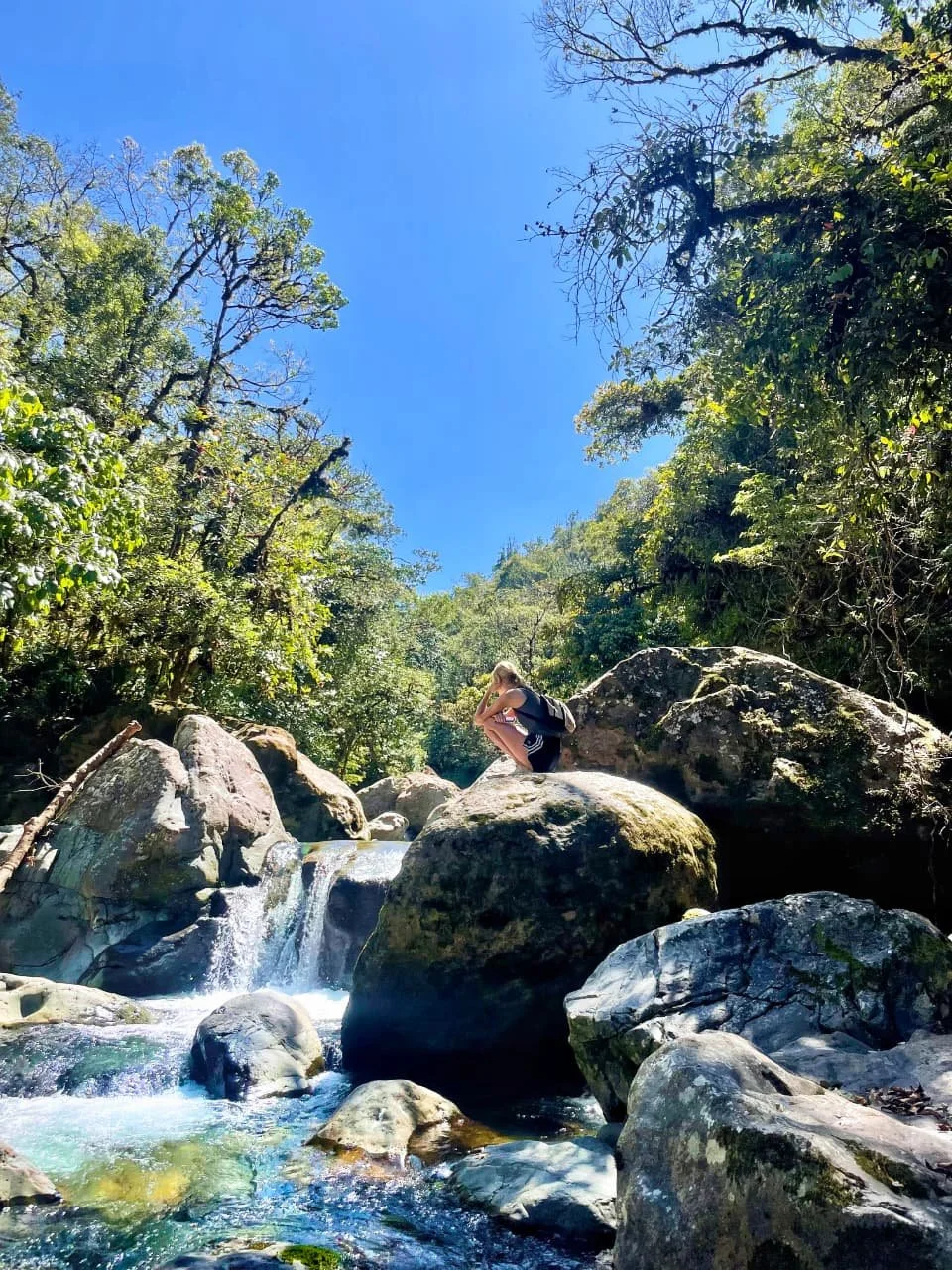
Mountain roads near Boquete and other highland areas occasionally become dangerous during extreme rainfall. Rivers rise astonishingly quickly. Bridges flood. Mudslides occur.
Backpackers sometimes underestimate tropical rivers badly.
A calm shallow river can become a violent brown torrent surprisingly fast after upstream rainfall.
This is one reason why local advice matters enormously in Panama.
If locals say not to cross a river or not to hike during heavy rain, experienced travelers listen.
Then there are ocean emergencies.
Panama’s coastlines are beautiful but not always gentle.
Rip currents exist on both Caribbean and Pacific beaches. Some beaches lack lifeguards entirely. Remote islands may have no rapid medical access whatsoever.
Travelers snorkeling, diving, surfing, or boating should always understand how isolated certain areas truly are.
On some islands in places like San Blas Islands or remote Pacific zones, evacuation may depend entirely on boats or small aircraft.
Cell service can also become unreliable surprisingly quickly outside populated zones.
Many travelers assume Panama has coverage everywhere because cities are modern.
Then they enter mountain valleys or jungle areas and lose signal completely.
This becomes important for hikers especially.
Offline maps. Portable battery packs. Informing others of plans. Basic first aid supplies.
These things matter much more in Panama than some travelers initially expect.
One underrated emergency strategy in Panama is simply asking locals for help immediately.
Panamanians are often extremely helpful during emergencies, especially in smaller towns. Restaurant owners, hostel staff, taxi drivers, guides, shopkeepers, and even random strangers frequently step in to assist confused travelers.
In many situations, locals may know the nearest clinic, police station, trusted taxi driver, or available doctor faster than the internet can tell you.
And hostel staff in backpacker regions are often surprisingly experienced with handling travel emergencies.
They know where clinics are. Which hospitals foreigners prefer. Which pharmacies stay open late. Who speaks English. How to arrange transportation quickly.
A good hostel receptionist can become an unofficial emergency coordinator very fast.
One thing travelers should absolutely do upon arriving in Panama is save critical numbers into their phone immediately.
At minimum:
911.
Your embassy. Your insurance emergency hotline. Your accommodation number. A trusted local contact if possible.
Because when stress hits, people forget everything.
And finally, perhaps the most important truth about emergencies in Panama is this:
Preparation matters far more than fear.
Panama is not an unusually dangerous country for travelers overall. Millions of visitors explore it safely. Most trips involve nothing more serious than mosquito bites, sunburn, stomach problems, or transportation delays.
But Panama is also a place of jungles, mountains, rivers, islands, heavy rains, ocean currents, motorcycles, boats, nightlife, wildlife, and adventurous backpacker culture.
Things can happen.
And when they do, knowing how to react calmly can make an enormous difference.
The travelers who handle emergencies best are usually not the bravest people.
They are simply the ones who prepared before the emergency ever happened.