
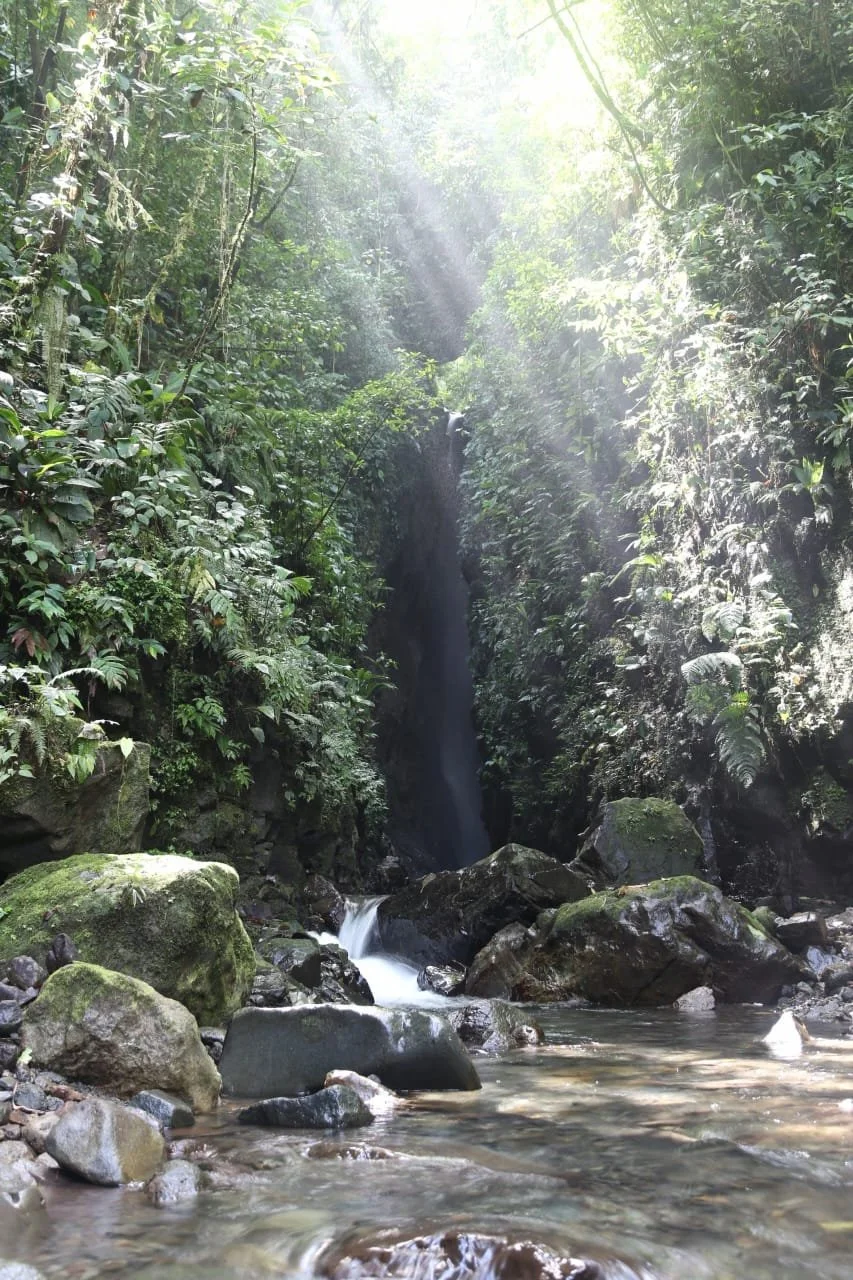
Most people arrive in Panama expecting paradise.
They picture turquoise Caribbean water beneath leaning palm trees. They imagine misty volcanic mountains near Boquete, hidden waterfalls deep in rainforest valleys, surf towns along the Pacific coast, tropical islands scattered across the Caribbean, and long humid evenings filled with music, ocean wind, and jungle sounds. Panama looks cinematic from the outside. It feels like one of the last places where nature still seems huge and dramatic and untamed.
And honestly, that image is true.
Panama can feel breathtakingly alive. Birds flash through forests in impossible colors. Monkeys swing through jungle canopies. Rivers crash through steep valleys beneath giant trees covered in moss and orchids. Giant butterflies drift through the air like floating flowers. Even the rain feels larger in Panama, violent tropical downpours that hammer roofs, flood streets, and transform dry trails into rivers of mud within minutes.
Backpackers arrive feeling excited by this rawness. They want adventure. They want to feel close to nature again. They want jungle hikes, river crossings, remote islands, mountain trails, and hidden beaches far from cities.
But after enough time exploring Panama, travelers slowly begin discovering another side of the country that guidebooks usually soften or romanticize.
The wilderness here is not passive.
It is not decorative.
It is deeply, aggressively alive.
And once backpackers begin understanding this properly, the rainforest starts feeling different at night.
The fear does not usually arrive all at once. It builds gradually. First comes fascination. Then awareness. Then paranoia. Then the strange realization that the jungle is filled with thousands of living things surrounding you constantly, most of which you never actually see clearly.
Things moving beneath leaves. Things floating beneath dark water. Things hiding inside boots. Things waiting in trees. Things that bite, sting, infect, paralyze, burrow, or watch silently from darkness.
Panama’s wilderness has a way of making people hyper aware of their bodies. Every itch becomes suspicious. Every branch snapping nearby suddenly matters. Every unexplained mark on the skin sparks theories. Travelers begin checking shoes before wearing them. Flashlights become emotional comfort objects. People who once laughed at bug spray start treating it like survival equipment.
Because the deeper backpackers go into Panama’s forests, coastlines, rivers, and islands, the more they realize nature there still operates on its own terms.
One of the first creatures that truly unsettles travelers psychologically is the infamous Kissing bug.
The name alone sounds creepy enough, but the reality disturbs people far more once they learn about it. Kissing bugs are nocturnal insects associated with the transmission of Chagas disease in parts of Latin America. They sometimes bite sleeping people around the mouth or eyes, which explains the horrifying nickname.
Most travelers hear about them late at night in jungle lodges or backpacker hostels. Someone casually mentions them over drinks while rain crashes outside and suddenly everybody starts imagining unseen insects crawling from cracks in wooden walls after midnight.
The actual risk for most tourists is low, especially in maintained accommodations, but psychologically it changes everything. Once people know these insects exist, sleeping in rustic cabins feels different forever afterward. Every tiny sensation against the face at night becomes alarming. Backpackers wake suddenly and check pillows with flashlight beams.
And Panama is full of creatures like this.
Not necessarily monsters.
But creatures capable of invading peace of mind completely.
Ticks are another major source of tropical paranoia. Panama’s humid forests and grasslands create perfect tick habitat. Backpackers hiking muddy jungle trails or cloud forests around Volcán Barú often spend evenings compulsively examining themselves afterward.
The terrifying thing about ticks is their stealth.
People rarely feel them climbing aboard. Hours later someone notices a tiny dark shape attached behind a knee or near a waistband and suddenly the entire day feels contaminated. Travelers begin brushing imaginary ticks off themselves constantly afterward. Dirt particles become suspicious. Freckles look alarming. People inspect each other’s backs in hostel dorms beneath harsh bathroom lighting.
Then come the mosquitoes.
At first backpackers underestimate them badly. Then they spend one evening near mangroves or jungle rivers at sunset and understand immediately why tropical travelers become obsessed with repellents and mosquito nets.
Mosquitoes in Panama can emerge in astonishing numbers. The air itself begins whining around your ears. People slap their legs constantly while trying to eat dinner outdoors. Travelers retreat into rooms defeated, scratching themselves endlessly beneath ceiling fans while hearing the buzzing continue outside mosquito nets all night.
And unlike ordinary annoyance insects, mosquitoes carry psychological weight because travelers associate them with diseases like dengue and malaria. Even when actual risks remain manageable in many tourist areas, awareness alone changes behavior dramatically.
Standing water suddenly looks threatening. Bare ankles feel exposed. Open windows at dusk feel dangerous.
Then there are the chitras.
Backpackers across Panama eventually learn to hate them.
Chitras, tiny biting midges often called sandflies, are practically invisible compared to mosquitoes, which somehow makes them worse. Travelers relaxing peacefully on Caribbean beaches or sitting beside mangroves at sunset often do not even notice the attacks happening.
Only later do they discover dozens or even hundreds of tiny bites covering ankles, legs, or arms.
And the itching can become maddening.
People scratch themselves awake repeatedly during the night. Entire hostel dorms sometimes become filled with backpackers comparing bites and complaining miserably while trying not to tear their skin apart.
What makes chitras especially disturbing is how ghostlike they feel. Travelers often never truly see the insects themselves. They simply experience the aftermath later while sweating beneath mosquito nets in tropical heat.
And then backpackers hear about sand fleas.
The Sand flea produces a completely different kind of fear because the stories sound almost too disgusting to believe. In some tropical coastal environments, tiny parasitic fleas can burrow into skin, particularly feet, toes, or areas exposed to sandy ground. Most travelers will never experience serious problems, especially with proper footwear and hygiene, but once someone in a hostel starts telling stories about parasites embedding themselves beneath toenails or inside skin, everyone suddenly becomes far more cautious walking barefoot on beaches or around rustic tropical cabins.
Travelers begin staring at every strange bump on their feet suspiciously afterward.
The psychological effect is powerful because sand fleas transform one of the most relaxing backpacker activities, walking barefoot on tropical beaches, into something faintly unsettling.
And then comes one of the ultimate backpacker nightmares.
Bed bugs.
Unlike the exotic jungle creatures travelers almost expect, Bed bug terrify backpackers precisely because they invade the one place people expect safety, the bed itself.
Backpackers traveling through tropical countries quickly learn that bed bugs are whispered about with almost supernatural dread inside hostel culture. People inspect mattresses obsessively. Flashlights scan bed seams late at night. Entire online reviews revolve around whether someone found evidence of them.
The horror comes from how relentless they feel.
Travelers wake covered in mysterious bite lines across arms, backs, or legs. Panic spreads instantly. People tear apart bedsheets searching for tiny rust colored insects hiding in mattress seams. Someone suddenly starts sealing all clothing into plastic bags. Another person moves dorm rooms in the middle of the night.
And once the possibility enters a backpacker’s mind, sleep becomes impossible.
Every itch feels suspicious. Every movement against the skin becomes alarming. Tiny shadows suddenly look alive.
Even worse, bed bugs psychologically follow people afterward. Travelers become terrified of carrying them inside backpacks from hostel to hostel across Central America. Entire routines emerge around isolating clothing, checking mattresses, and avoiding upholstered furniture.
The tropical heat somehow makes all of it feel even more claustrophobic.
Then come the ants.
And this is where Panama’s jungle begins feeling genuinely hostile.
Many backpackers learn about Fire ant the hard way. Fire ants are small, aggressive, and astonishingly angry for their size. Travelers accidentally step near a nest while setting down backpacks, sitting beside trails, or standing still too long near grassy areas. Then suddenly dozens swarm onto shoes and legs at once.
The stings arrive almost instantly.
Sharp burning pain erupts across ankles and calves while ants continue climbing upward in coordinated waves. Backpackers start slapping frantically at themselves while hopping around in panic. The bites later swell into itchy burning welts that can linger for days.
What makes fire ants especially disturbing is their aggression. Disturb one nest accidentally and it can feel as if the ground itself has attacked you.
And then there are the bullet ants.
The legendary Bullet ant has become one of the most feared insects in tropical America because of its infamous sting. These ants are huge by normal standards, glossy black, long legged, and unsettling to look at even before travelers learn their reputation.
Then someone tells them the nickname comes from the pain feeling like being shot.
People who have experienced bullet ant stings describe agony so intense it becomes difficult to think clearly. Burning waves of pain radiate through entire limbs for hours. Some victims shake uncontrollably. Others compare it to electric shocks or hot metal driven into the body repeatedly.
And the worst part is where bullet ants live.
Deep humid rainforest. Tree roots. Jungle trails. Remote wilderness camps.
Exactly the places adventurous backpackers most want to explore.
Guides sometimes stop hikers suddenly beside trails and point silently toward giant black ants moving along branches overhead. Travelers instantly step backward after learning what they are looking at.
The rainforest begins feeling armed.
But bullet ants are only one part of Panama’s endless ant nightmare.
Army ants move through forests in giant coordinated swarms like living rivers of black aggression. Tiny biting ants invade food bags, beds, backpacks, and clothing. Some species rain from trees unexpectedly when branches are disturbed.
Sometimes backpackers wake up to discover ants completely overrunning parts of their room overnight.
And then there is the water.
Many travelers think of the ocean and rivers in Panama as peaceful paradise environments until they discover what lives beneath them.
One of the most feared creatures among swimmers and surfers are Stingray.
Stingrays themselves are not aggressive animals. Most remain hidden beneath sand in shallow water, especially near beaches, estuaries, and calm tropical coastlines. But this is exactly what makes them frightening.
People do not usually see them until it is too late.
Backpackers wading through warm shallow Caribbean water suddenly feel sharp pain explode through a foot or ankle after accidentally stepping on a hidden stingray buried beneath sand.
The tail whips upward instantly.
The pain is described as excruciating.
Some travelers compare it to being stabbed with burning metal.
Stories about stingray injuries circulate constantly among surfers, fishermen, and island travelers in Panama. Once backpackers hear enough stories, they begin shuffling their feet awkwardly through shallow water trying not to step directly down.
And stingrays are only one part of Panama’s unsettling marine world.
Barracudas drift silently through clear water looking almost mechanical. Moray eels hide inside coral cracks with open jaws. Jellyfish appear suddenly in warm currents. Sharks exist offshore, including Bull shark and Tiger shark, even if dangerous encounters remain rare.
The ocean in Panama begins feeling less like a swimming pool and more like another enormous living ecosystem humans temporarily borrow.
Then come the scorpions.
Panama contains several species of Scorpion, and although most are not deadly to healthy adults, they remain more than capable of terrifying travelers completely.
Scorpions love dark hidden spaces.
Shoes. Towels. Piles of clothing. Wooden cabins. Backpacks left on floors. Under rocks. Inside rustic bathrooms.
This is why experienced travelers develop rituals.
They shake shoes violently before putting them on. Check beds. Inspect towels carefully. Look beneath toilet seats in remote areas.
Because hearing one story about a scorpion discovered inside someone’s boot permanently changes behavior.
The fear intensifies at night. Scorpions seem almost perfectly engineered for tropical horror imagery, armored bodies, twitching pincers, curved venomous tails poised overhead like tiny prehistoric weapons.
Flashlights sometimes reveal them unexpectedly near campsites or jungle lodges.
And the knowledge that they may be hiding inches away without detection becomes psychologically exhausting.
But for many travelers, giant centipedes are even worse.
The Amazonian giant centipede feels like something from another geological era rather than modern Earth. Long segmented body. Endless legs moving in horrifying synchronization. Venomous bite. Incredible speed.
Unlike snakes, which often stay motionless, giant centipedes move rapidly and unpredictably.
People describe physically jumping backward after seeing one emerge from beneath a sink or race across a wall at night.
Some specimens grow alarmingly large.
And because they prefer damp hidden places, travelers begin imagining them everywhere once they learn they exist.
Then there are the spiders.
This is where Panama starts defeating even people who normally claim not to fear insects.
Tropical orb weavers build enormous webs stretching invisibly across jungle trails at night. Backpackers walking first during night hikes suddenly slam face first into giant webs while something large remains attached somewhere within the silk.
The reaction is always immediate chaos.
Screaming. Wild arm flailing. Panic.
Then comes the horrifying uncertainty about whether the spider itself landed on you too.
Tarantulas are even more visually shocking.
Huge hairy Tarantula species occasionally emerge after heavy rains or humid nights. Seeing one crossing a jungle path by flashlight creates a strange mixture of fascination and primal fear.
Some are surprisingly defensive as well, flicking irritating hairs or raising themselves upward when threatened.
Then travelers learn about the Brazilian wandering spider and everything gets worse.
These spiders actively roam while hunting rather than remaining in webs. Which means they occasionally end up inside places humans use.
Shoes. Bags. Clothing. Bathrooms. Towels.
Backpackers staying in rustic accommodations quickly develop compulsive habits of shaking everything before touching it.
And then there are the wasps.
Panama’s tropical Paper wasp colonies can appear almost anywhere, hanging beneath roofs, attached to trail signs, tucked beneath tree branches. Accidentally disturbing a nest creates instant jungle chaos.
People run blindly through rainforest swatting the air while wasps pursue them aggressively through humid heat.
But even ordinary wasps seem less terrifying after travelers discover the tarantula hawk.
The Tarantula hawk looks almost absurdly intimidating, enormous metallic blue black body, blazing orange wings, long legs, and behavior that sounds invented specifically to frighten people.
These giant wasps hunt tarantulas.
They paralyze them. Drag them away alive. Lay eggs on them.
Nature in Panama often feels brutally creative this way.
And the tarantula hawk’s sting ranks among the most painful in the insect world. Watching one drag a giant spider across a trail suddenly makes travelers realize the rainforest is operating according to rules far older and harsher than human comfort.
And then comes the rainforest at night.
This is when many travelers finally understand why tropical wilderness feels so psychologically overwhelming.
The jungle never becomes quiet.
Ever.
Darkness only amplifies the life.
Frogs scream from invisible ponds. Cicadas erupt into deafening mechanical noise. Unknown creatures move through leaves. Giant beetles slam into walls and lights. Bats flutter overhead. Branches crack somewhere beyond visibility.
And eventually the Howler monkey begins roaring through the darkness.
The sound terrifies first time listeners almost universally.
Howler monkeys produce deep guttural calls echoing through valleys like giant unseen monsters. Backpackers wake suddenly in panic convinced something enormous is nearby.
And perhaps most unsettling of all is the knowledge that Panama still contains predators most people never actually see.
Jaguar. Puma. Ocelot.
They remain hidden almost always.
But knowing they exist somewhere beyond flashlight range changes the emotional atmosphere of wilderness permanently.
The rainforest begins feeling occupied.
Watched.
Alive in ways modern people rarely experience anymore.
And perhaps that is what truly frightens backpackers in Panama more than anything else.
Not simply the snakes. Or the spiders. Or the scorpions. Or the stingrays. Or the parasites. Or the mosquitoes.
But the realization that Panama’s wilderness still feels genuinely wild enough that humans are no longer fully in control there.
The jungle does not care about human comfort.
It crawls beside you while you sleep. Buzzes around your ears at dusk. Hides beneath leaves. Waits beneath water. Clings silently to skin. Moves unseen through darkness.
And once travelers truly feel that reality for the first time, Panama’s forests and coastlines never quite seem harmless again.