
For a country so physically small, Panama has developed an almost absurd reputation in the coffee world. To many casual travelers this initially sounds strange because Panama is not usually the first country people associate with legendary coffee culture. Countries like Colombia, Brazil, Ethiopia, or even Costa Rica tend to dominate mainstream conversations. Panama meanwhile often gets associated more with shipping, banking, retirement communities, tropical islands, or the famous canal. Then people arrive in Panama and slowly realize something surprising is happening in the mountains. Tiny farms hidden in misty volcanic highlands are producing some of the most expensive, obsessively discussed, and internationally respected coffee on the planet.
And yet the reality of coffee in Panama is more complicated than the glossy marketing many tourists encounter online. The country absolutely produces extraordinary coffee, genuinely world class coffee in certain regions and under certain conditions. But Panama is also full of ordinary coffee, mediocre coffee, overpriced coffee shops, tourist branding, and local drinking habits that sometimes differ dramatically from the luxury image foreigners imagine. The truth is that Panama contains two coffee worlds existing simultaneously. One is the international specialty coffee universe obsessed with rare beans, competitions, flavor notes, and auctions where tiny lots sell for shocking prices. The other is the everyday Panamanian reality where many people still drink simple, inexpensive coffee casually at breakfast without turning it into a spiritual experience. Understanding coffee in Panama means understanding both worlds at once.
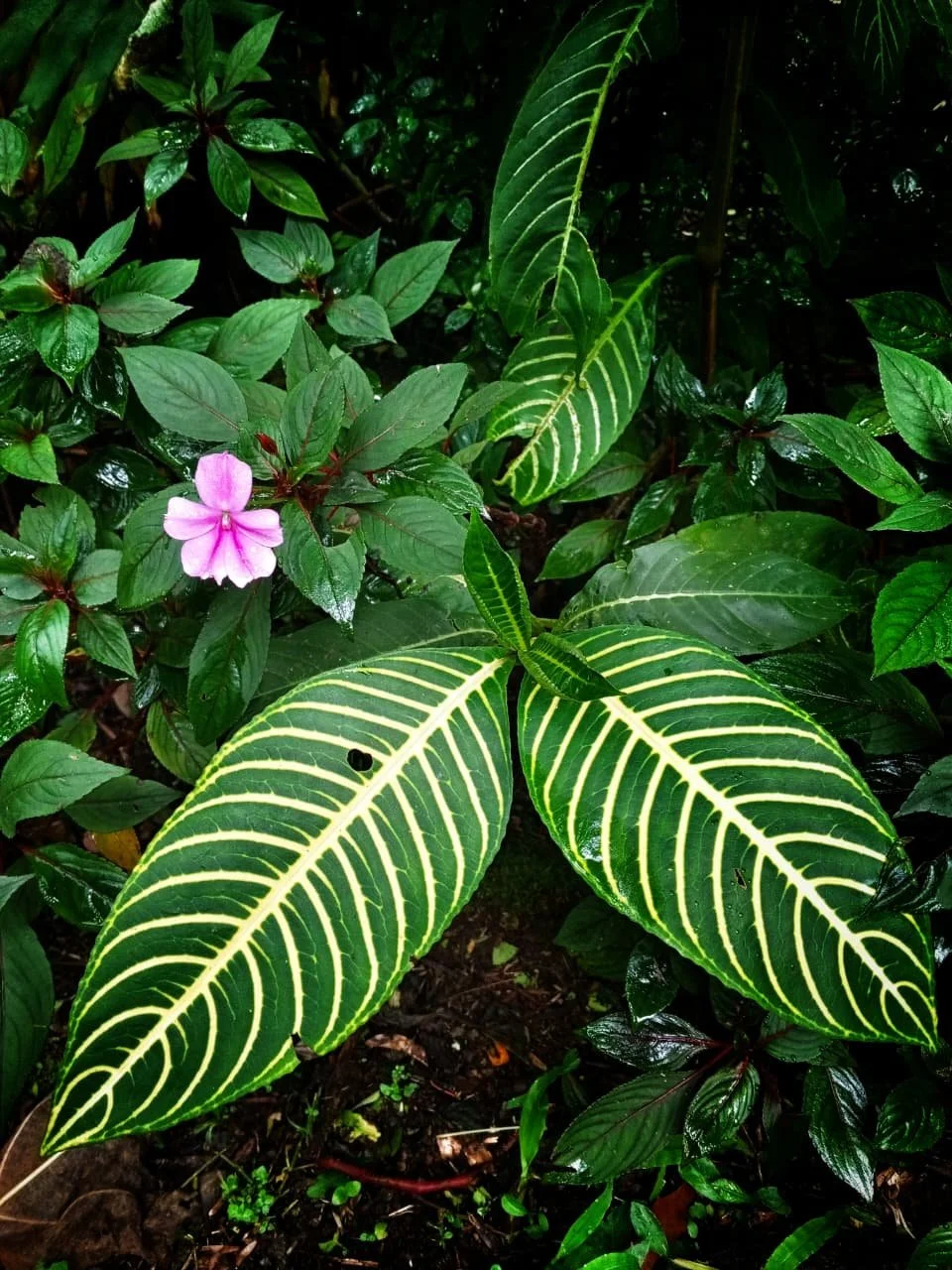
Everything begins in the highlands of Boquete and surrounding mountain regions near the border with Costa Rica. This area sits high enough above sea level to create cool temperatures, volcanic soil, mountain mist, and highly specific microclimates ideal for coffee cultivation. The mountains there feel completely different from the humid tropical lowlands many tourists imagine when thinking about Panama. Instead of oppressive heat and palm trees, the coffee regions often feel cool, green, misty, and almost dreamlike in the mornings. Clouds drift slowly across hillsides while coffee plants grow beneath filtered sunlight surrounded by jungle vegetation and volcanic slopes. The environmental conditions are remarkably favorable for producing complex, high quality coffee beans because altitude slows cherry development, allowing flavors to mature more gradually and intensely.
The coffee that transformed Panama’s reputation internationally is the famous Geisha coffee, though even the story of Geisha contains misconceptions. Many people assume Geisha originated in Panama itself, but the variety actually traces back historically to Ethiopia before eventually reaching Central America through agricultural research programs. What happened in Panama was not invention but discovery. Farmers realized that under Panama’s unique mountain conditions, especially around Boquete, Geisha coffee developed astonishingly delicate and complex flavor profiles unlike almost anything else in the coffee world. Suddenly international coffee competitions exploded with attention around Panama. Judges described flavors involving jasmine, bergamot, tropical fruit, citrus blossom, tea like elegance, and floral aromas so intense they almost sounded fictional. Then the auction prices began climbing into territory that shocked even longtime coffee professionals.
Today some Panamanian Geisha coffees sell for extraordinary amounts of money. Tiny lots from elite farms have broken global records repeatedly at international auctions. Certain bags of coffee cost more than expensive wine or luxury whiskey. For outsiders this can sound ridiculous or pretentious, and honestly sometimes it is. Parts of the specialty coffee world absolutely drift into absurdity where tasting notes begin sounding like performance art. But beneath the hype lies a real truth, the best coffee produced in Panama genuinely can taste extraordinary. Even people who are not obsessive coffee experts often notice something unusual when drinking high quality Panamanian Geisha prepared properly. The flavors can feel startlingly clean, fragrant, and almost tea like compared to darker, heavier coffees many people grow up drinking.
Yet this creates one of the biggest misunderstandings tourists have about coffee in Panama. People arrive expecting every cup of coffee across the country to taste like elite competition winning Geisha prepared by world champion baristas. That is not reality at all. Much of the coffee consumed daily inside Panama is completely ordinary. In local restaurants, roadside fondas, bus terminals, and working class neighborhoods, coffee often appears simple, strong, dark, and practical rather than luxurious. Many Panamanians are not spending their mornings analyzing floral tasting notes or discussing fermentation methods. They are drinking coffee quickly before work just like everywhere else in the world. The ultra premium coffee scene mainly exists for export markets, wealthy enthusiasts, tourists, and specialty cafés rather than ordinary national consumption.
Another truth people discover quickly is that truly elite Panamanian coffee can become extremely expensive inside Panama itself. Tourists visiting specialty cafés in Boquete or Panama City sometimes experience immediate sticker shock after seeing prices for certain Geisha pours or tasting flights. In some cases a single carefully brewed cup may cost more than an entire local meal elsewhere in the country. This leads to polarized reactions. Some coffee lovers consider it entirely justified because the production quantities are tiny, labor intensive, and internationally demanded. Others feel parts of the industry drifted toward luxury branding disconnected from everyday reality. Both perspectives contain truth. Panama’s best coffee really is exceptional, but portions of the marketing surrounding it absolutely lean into exclusivity and prestige.
What makes the Panamanian coffee experience fascinating is the sheer contrast between small scale mountain farming and global luxury economics. Many famous coffee farms around Boquete remain family operated properties tucked into misty hillsides where workers carefully hand pick cherries beneath rainforest covered mountains. The atmosphere can feel humble and agricultural despite the fact that beans grown there may eventually sell for astonishing prices in Tokyo, Seoul, Dubai, London, or New York. Visitors touring these farms often become surprised by how physically demanding coffee production actually is. Growing elite coffee involves constant labor, pruning, picking, sorting, washing, drying, roasting, and quality control. Tiny mistakes can affect flavor dramatically. Climate shifts, rainfall changes, plant diseases, and market fluctuations all create enormous pressure on producers.
The rise of specialty coffee also transformed towns like Boquete culturally and economically. Coffee tourism became a major industry. Cafés, tasting rooms, tours, and farm experiences now shape much of the town’s international identity. Remote workers, retirees, backpackers, and wealthy coffee tourists all move through the region searching for mountain scenery and famous brews. Some people love this evolution because it brought investment and international attention. Others feel portions of Boquete became overly commercialized and expensive compared to its quieter agricultural past. The truth probably sits somewhere in the middle. Coffee undeniably changed the town profoundly.
Panama City meanwhile developed its own sophisticated café culture influenced heavily by the country’s international atmosphere. Stylish specialty coffee shops now exist across neighborhoods like Casco Viejo, El Cangrejo, and Bella Vista where baristas prepare carefully sourced Panamanian beans using pour over methods, espresso machines, siphons, and elaborate brewing techniques. Some cafés feel minimalist and modern, almost resembling Tokyo or Melbourne coffee culture transplanted into the tropics. Others blend more naturally into Latin American urban life. The café scene reflects Panama itself, globally connected yet still strongly local underneath.
At the same time, many travelers discover that some of the most memorable coffee moments in Panama are not necessarily the most expensive ones. Sitting in a mountain café during heavy rain in Boquete while mist drifts through surrounding hills can feel unforgettable regardless of whether the beans cost three dollars or thirty. Drinking strong local coffee beside a roadside breakfast after hours on tropical buses may create stronger memories than carefully staged tasting experiences. Coffee in Panama often becomes tied emotionally to atmosphere itself, cool mountain mornings, jungle humidity, conversations with travelers, rainstorms on tin roofs, bakery breakfasts, long work sessions in cafés, or sunsets over Pacific surf towns.
Another truth rarely discussed openly is that Panama’s international coffee fame depends heavily on a relatively small number of elite farms and specific regions. The country produces excellent coffee overall, but the truly legendary reputation comes disproportionately from certain producers around Boquete and Volcán. This does not diminish the achievement, but it explains why experiences vary dramatically. Someone buying random supermarket coffee in Panama may feel confused after hearing endless hype online. The extraordinary coffee absolutely exists, but not every cup in the country belongs to that world.
And perhaps that complexity is what makes Panama’s coffee culture so interesting. It contains genuine agricultural excellence, global luxury branding, local tradition, tourism, hard labor, mountain ecology, international obsession, and ordinary daily life all layered together. The country really does produce some of the finest coffee on Earth. That part is true. But the deeper reality is less about expensive tasting notes and more about the mountains themselves, the cool volcanic air, the mist drifting across coffee farms at dawn, the workers picking cherries by hand, the cafés filled with travelers escaping tropical heat, and the strange fact that one tiny country between two oceans somehow managed to become one of the most respected names in the entire coffee world.