
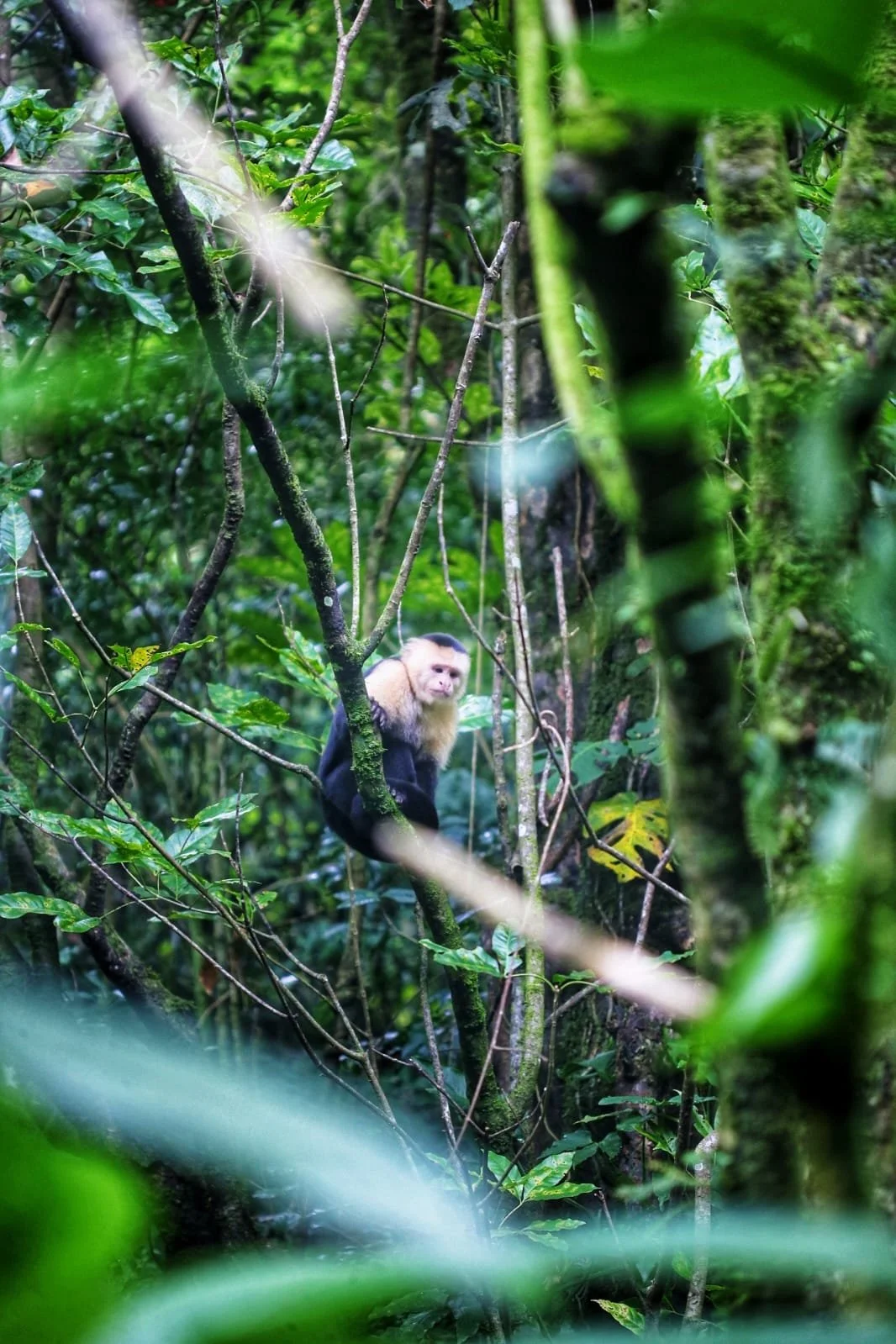
To understand life in Panama, you must understand the heat.
Not just ordinary warmth, but the thick, humid, tropical heat that settles over streets, beaches, farms, buses, cities, and villages for most of the year. The kind of heat that makes cold metal chairs feel valuable. The kind that slows movement in the afternoon and makes shade feel almost spiritual. By midday in many parts of Panama, shirts cling to skin, sidewalks shimmer, and even dogs seem to move more slowly.
In a climate like this, cold drinks become more than refreshments. They become survival tools.
And while Panama certainly has supermarkets full of sodas and imported beverages, the country also has a rich tradition of homemade cold drinks that remain deeply woven into daily life. Some are made from fruits, some from grains, some from flowers, and some from ingredients that many foreign visitors have never even heard of before arriving.
Many are sold from roadside stands, tiny restaurants, market stalls, or directly from people’s kitchens. Others appear at family gatherings, festivals, Sunday lunches, or beach trips packed inside giant coolers full of ice.
And almost all of them are designed for one purpose above all else:
Defeating the tropical heat.
Chicha, The Giant Category That Confuses Visitors
One of the first things travelers notice in Panama is the word “chicha.”
At first this becomes confusing because chicha does not refer to one specific drink. Instead, it is almost a category of homemade fruit based beverages, usually blended with water, sugar, and ice.
In Panama, ordering a chicha could mean watermelon juice, pineapple juice, tamarind, passionfruit, papaya, or dozens of other variations depending on what is available.
Many Panamanian lunches automatically include a cold chicha beside the meal.
The texture varies wildly. Some are thin and refreshing, almost like flavored water. Others are thick enough to feel like smoothies. Some are intensely sweet. Others remain tart and refreshing.
The beauty of chicha culture is that it changes constantly with season, region, and household preference.
Chicha de Saril, The Christmas Blood Red Drink
One of the most visually striking drinks in Panama is Chicha de Saril.
Made from hibiscus flowers, ginger, sugar, and spices, saril produces a deep red drink that looks almost unreal in bright tropical sunlight. It is especially associated with Christmas and Afro Caribbean traditions along Panama’s Caribbean coast.
Saril tastes tart, floral, spicy, and refreshing all at once. Ginger gives it warmth beneath the cold sweetness. Some versions become almost wine colored and intensely aromatic.
The drink arrived through Afro Caribbean cultural influence, especially from Jamaican communities connected historically to canal construction and Caribbean migration.
Cold saril on a hot December afternoon feels deeply tied to Panamanian holiday culture.
Tamarindo, Sweet, Sour, and Ancient
Tamarindo is one of the most beloved homemade drinks across Panama and much of Latin America.
Tamarind pods contain sticky dark pulp with a flavor that somehow combines sweetness, sourness, earthiness, and fruitiness all at once. The resulting drink tastes ancient somehow, as though it belongs naturally in hot climates.
Many foreigners initially find tamarind strange because it does not resemble common North American fruit flavors. But people often become addicted quickly.
Good tamarind juice has depth. It feels richer and more complex than ordinary fruit juice. On brutally hot afternoons, the sweet sour combination becomes incredibly refreshing.
Maracuyá, The King of Tropical Sharpness
Maracuyá dominates tropical drink culture in Panama.
Passionfruit juice is intensely aromatic, tart, fragrant, and almost electric tasting when made fresh. The smell alone instantly evokes tropical heat for many people.
A cold glass of maracuyá served with ice beside a fried fish lunch on the Pacific coast feels like pure Panama.
Because the fruit itself is naturally acidic, Panamanians often add generous sugar to balance it. The result becomes one of the country’s most refreshing drinks.
Some versions contain seeds for texture. Others are strained smooth.
Either way, maracuyá feels designed specifically for hot weather.
Chicha de Avena, Oats Become a Tropical Drink
One of the drinks that surprises visitors most is Chicha de Avena.
The idea sounds strange at first. Oats are usually associated with hot breakfast. In Panama, however, oats become cold sweet drinks blended with milk, cinnamon, vanilla, sugar, and ice.
The result tastes creamy, comforting, and surprisingly filling.
Some versions resemble thin milkshakes. Others feel almost like liquid rice pudding.
Chicha de avena appears frequently in bakeries, fondas, and homemade family meals. Children especially love it.
In a tropical country, cold oat drinks somehow make perfect sense once you try them.
Chicha de Arroz con Piña, Rice and Pineapple Together
Another fascinating traditional drink is Chicha de Arroz con Piña.
This drink combines rice, pineapple skins, cinnamon, sugar, and water into a lightly fermented sweet beverage. The pineapple adds tropical brightness while rice gives body and texture.
Historically, this drink reflects the practical creativity of tropical cooking. Nothing gets wasted. Pineapple skins still contain flavor and aroma, so they become ingredients rather than garbage.
Served cold, arroz con piña feels rustic and deeply traditional.
Fresh Fruit Juices Everywhere
Panama’s climate allows fruit to thrive year round, and this shapes drink culture enormously.
Watermelon juice appears constantly because it is cheap, hydrating, and perfectly suited for tropical heat. Papaya juice is common too, thick and silky with a rich orange color.
Pineapple juice tastes especially intense when made fresh in Panama because the fruit itself is sweeter and more aromatic than in colder countries.
Mango season transforms the country briefly into mango chaos. Trees overflow. Fruit falls onto sidewalks. Families suddenly make mango juice constantly because there is simply too much mango to ignore.
In markets across Panama, giant blenders roar continuously while vendors prepare fresh juices to order.
The Importance of Ice
Ice matters enormously in Panama.
Cold drinks are not casually cool. People want them genuinely cold, often packed with large amounts of ice. A drink without sufficient coldness feels disappointing in tropical heat.
This partly explains why roadside drink vendors often surround coolers with serious insulation and giant bags of ice.
Temperature is part of the experience itself.
Raspao, Panama’s Tropical Snow Cone
Though technically more dessert than drink, Raspao deserves mention.
Raspao consists of shaved ice covered with brightly colored syrups, condensed milk, and sometimes powdered milk. Street vendors scrape giant blocks of ice by hand before drowning the result in sweetness.
Children love it. Adults love it too.
On scorching afternoons, raspao becomes both entertainment and survival mechanism.
Coconut Water Along the Coast
On beaches throughout Panama, especially along the Caribbean side and Pacific fishing villages, fresh coconut water remains deeply important.
A machete chops open the coconut, a straw gets inserted, and suddenly you are drinking cold slightly sweet liquid directly from the fruit itself.
No bottle feels more tropical.
The flavor varies depending on coconut maturity. Young coconuts produce sweeter clearer water while older ones become richer.
Afterward, vendors often split the coconut fully so people can scrape out the soft interior flesh.
Regional Drink Culture
Different parts of Panama favor different drinks.
In Bocas del Toro and Caribbean influenced areas, coconut and Afro Caribbean traditions appear more strongly.
In the Azuero Peninsula, traditional homemade fruit chichas dominate family meals and festivals.
In mountain towns like Boquete, cooler weather slightly changes drinking habits, though cold juices still remain common.
Meanwhile, Panama City increasingly mixes traditional homemade drinks with modern café culture, smoothies, bubble tea shops, and international trends.
Yet traditional homemade drinks never disappear entirely.
Why Homemade Drinks Matter So Much
In Panama, homemade drinks are not just beverages. They represent hospitality, climate adaptation, family tradition, and creativity.
A family gathering often includes giant pitchers of homemade juice. Lunch without a cold drink feels incomplete. Grandmothers pass recipes down casually without measurements. Street vendors compete based on whose juices taste freshest.
Many drinks are tied directly to memory.
People associate certain flavors with childhood, holidays, beach trips, school lunches, or visits to grandparents in the countryside.
The Tropical Logic Behind Everything
Panamanian drink culture makes perfect sense once you understand the climate.
In extreme tropical heat, people crave coldness, sweetness, hydration, fruit, and ice. Drinks become energy, cooling systems, and comfort all at once.
Many homemade drinks also stretch ingredients economically. Fruits become large pitchers capable of serving entire families.
The result is a drink culture that feels practical, refreshing, social, and deeply tied to the environment.
The Final Truth About Panamanian Cold Drinks
The homemade drinks of Panama reveal the country itself.
They are colorful, tropical, inventive, sweet, sometimes excessive, deeply regional, and built around surviving heat with pleasure rather than merely enduring it.
They reflect Indigenous traditions, Afro Caribbean influence, Spanish colonial history, tropical agriculture, and the simple reality of living in one of the hottest and most humid environments in the Americas.
And after enough time in Panama, something strange happens.
You stop craving soda.
Instead, you begin wanting giant cold glasses of passionfruit juice, tamarind, saril, or fresh pineapple blended with ice while ceiling fans spin lazily overhead and afternoon heat presses against the windows outside.