
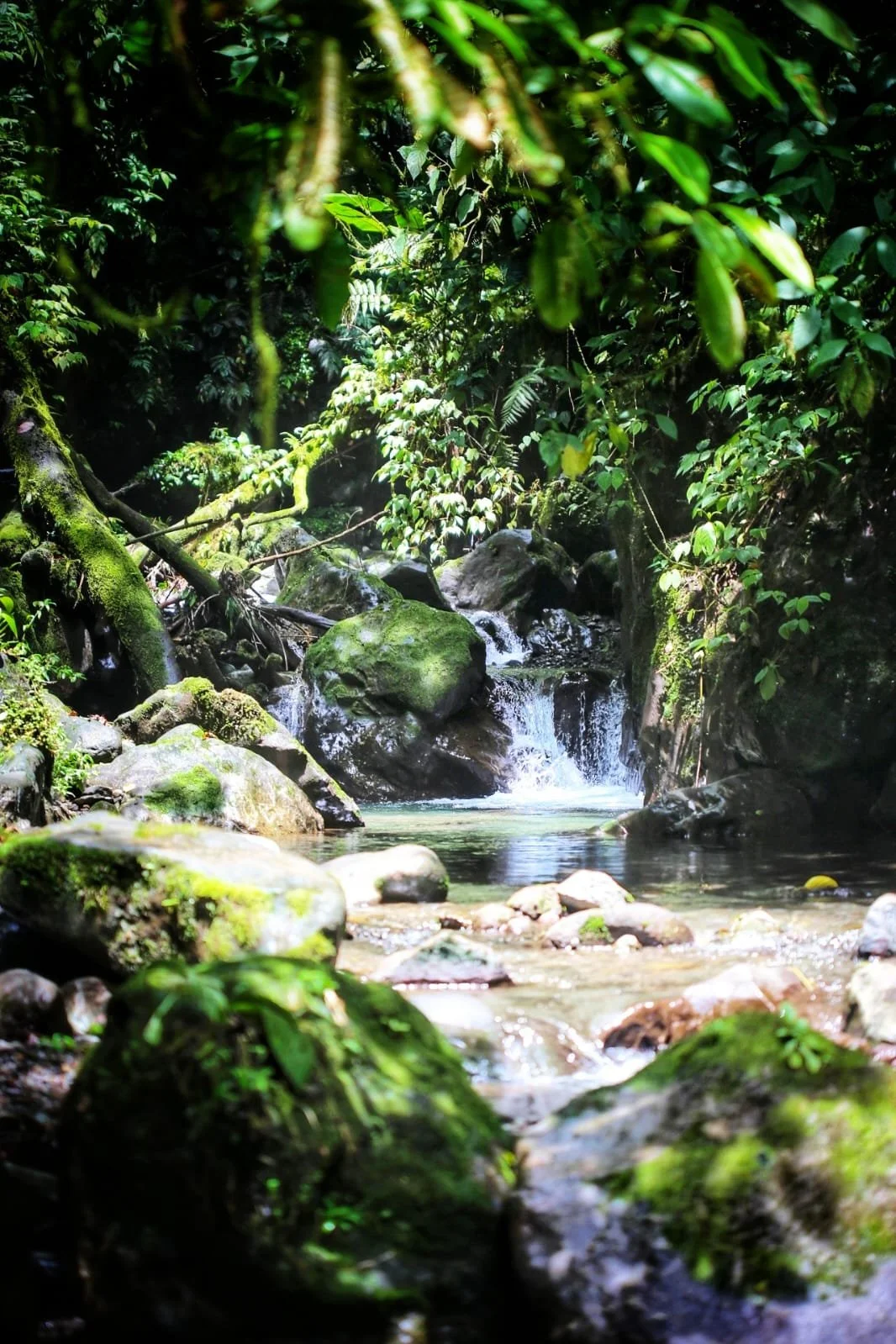
For many foreigners arriving in Panama, there comes a moment when the idea of buying a car starts becoming very tempting. At first, most visitors assume they will not need one. Panama City has the Metro, buses are inexpensive, Uber is widely available, and taxis can usually be found almost anywhere. But then something happens. People start leaving the city. They visit mountain towns, hidden waterfalls, jungle lodges, remote beaches, surf villages, and countryside regions where transportation suddenly becomes slower, less predictable, and far more complicated.
That is usually the moment when people begin exploring the fascinating, complicated, and surprisingly massive world of Panama’s second hand car market.
The used car culture in Panama is enormous. Cars are constantly being bought, sold, traded, imported, repaired, and resold again. Families upgrade vehicles, taxi drivers replace aging sedans, expats leave the country and sell their SUVs, and travelers who planned to stay for a month suddenly decide they want the freedom of having their own transportation. Entire neighborhoods in Panama City are lined with used car dealerships packed tightly together under the tropical sun.
And unlike some countries where buying a used vehicle feels highly regulated and standardized, Panama’s car market often feels more personal, flexible, negotiable, and unpredictable.
The first thing many foreigners notice is that used cars in Panama can seem both affordable and expensive at exactly the same time.
Some older vehicles sell for prices that feel surprisingly reasonable compared to North America or Europe. Repairs are often cheaper because labor costs are lower. Smaller Korean and Japanese cars can sometimes be purchased at prices that make ownership accessible even for people on moderate budgets.
But then comes the shock.
Reliable brands, especially Toyota, hold their value almost unbelievably well in Panama. A ten year old Toyota may still cost far more than many foreigners expect. People who arrive assuming depreciation works the same way it does in the United States often become confused very quickly.
The reason is simple. Panamanians trust Toyota almost religiously.
Toyota dominates the roads of Panama in a way that becomes impossible not to notice. Toyota Hilux pickups climb mountain roads carrying construction materials and farm supplies. Toyota Corollas weave endlessly through city traffic. Toyota Prados sit outside shopping malls, beach homes, and office towers. Toyota Yaris taxis move constantly through crowded streets. In some parts of the country it almost feels as though every third vehicle carries a Toyota badge.
This reputation was built over decades. Panama’s roads can be extremely rough depending on where you are. One moment you may be driving on a smooth modern highway, the next moment you encounter potholes large enough to damage suspension systems, flooded roads during rainy season, broken pavement in rural areas, or steep mountain routes filled with mud and loose gravel. Panamanians value durability above almost everything else.
A vehicle that survives years of tropical humidity, flooding, brutal heat, terrible traffic, and rough roads earns loyalty very quickly.
That is why Toyota vehicles keep their resale value so aggressively. Buyers trust them. Mechanics understand them. Replacement parts are widely available. Even older models continue functioning reliably long after other brands begin developing expensive problems.
However, Toyota is not the only respected brand in Panama.
Hyundai and Kia are extremely popular, particularly among middle class buyers looking for affordability and practicality. One major reason for their success is the widespread availability of replacement parts. Mechanics throughout Panama are familiar with these vehicles, and repairs are generally affordable compared to luxury European brands.
Hyundai Accents and Kia Rios are especially common throughout the country. They are inexpensive to maintain, relatively fuel efficient, and well suited to city driving. For people who mainly stay around Panama City or major highways, these vehicles often represent some of the best value in the market.
Honda also maintains a very strong reputation. Honda Civics and CR Vs are frequently recommended for buyers seeking reliability while avoiding the high resale prices attached to Toyota. Hondas are often viewed as dependable, practical, and long lasting if maintained properly.
Nissan remains popular too, especially older models, although opinions about reliability vary more widely depending on the specific vehicle and year. Mitsubishi and Suzuki also maintain loyal followings, especially among people who regularly drive in mountainous or rural regions.
Then there are the rapidly growing Chinese brands.
Over the last several years, Chinese vehicles have exploded in popularity throughout Panama. Brands like Geely, Changan, Jetour, and others now appear everywhere, especially in Panama City. They attract buyers because they often include modern technology, large screens, luxury style interiors, and attractive financing at prices significantly lower than Japanese competitors.
But the second hand market for Chinese cars remains more uncertain.
Some owners are very happy with them. Others worry about long term durability, resale value, and future parts availability. Many experienced buyers in Panama still prefer established Japanese or Korean brands when purchasing used vehicles because the long term track record feels safer.
One of the most important things to understand about buying a used car in Panama is that appearances can be extremely misleading.
A shiny exterior means almost nothing.
Cars in Panama are often professionally cleaned, polished, and cosmetically improved before being listed for sale. Tropical sunlight can make paint shine beautifully, even when the mechanical condition underneath is questionable. Some vehicles may have hidden flood damage from rainy season flooding. Others may have poorly repaired accident history. Air conditioning systems may function poorly after years of heavy use in extreme heat.
That is why experienced buyers nearly always recommend paying for an independent mechanic inspection before purchasing anything.
This step is absolutely critical.
A trusted mechanic can identify suspension problems, transmission issues, hidden rust, flood damage, engine wear, and electrical problems that may not be visible during a casual inspection. Skipping this step can turn an apparently cheap vehicle into an expensive disaster very quickly.
Fortunately, mechanical labor in Panama is often far cheaper than in North America. Many foreigners are pleasantly surprised at how affordable routine repairs can be. Oil changes, brake jobs, suspension repairs, and general maintenance usually cost significantly less than in countries like Canada or the United States.
However, imported luxury brands are a completely different story.
Many expats eventually learn painful lessons after purchasing used BMWs, Mercedes, Audis, or Land Rovers. Parts can be difficult to source, repairs may require specialized mechanics, and waiting for imported components can leave vehicles unusable for long periods. For this reason, many long term residents strongly recommend sticking with brands commonly seen throughout Panama.
Practicality matters far more than prestige here.
The buying process itself is interesting because Panama combines modern systems with old fashioned bureaucracy.
Used cars are commonly found through online classified websites, Facebook Marketplace, local dealership lots, and word of mouth. Facebook Marketplace in particular has become absolutely massive for vehicle sales. Expats leaving Panama frequently advertise vehicles there, sometimes already equipped with roof racks, camping equipment, or beach accessories useful for adventure travel.
Negotiation is also common.
Unlike highly fixed pricing systems in some countries, many sellers in Panama expect negotiation. Cash buyers especially may obtain better prices. Some dealerships advertise financing options, while private sellers usually prefer direct bank transfers or certified payments.
Once both buyer and seller agree, the legal transfer process begins.
This process is called a traspaso vehicular, meaning vehicle transfer.
One detail that surprises many foreigners is that traffic fines and debts remain attached to the vehicle itself, not only the owner. That means buyers must carefully verify that the car has no outstanding tickets, municipal debts, or unpaid obligations before completing the purchase.
A vehicle should be paz y salvo, meaning financially clear.
The process normally involves identification documents, proof of insurance, vehicle registration papers, inspection certificates known as revisado, and signatures from both buyer and seller. Sometimes both parties must appear together physically. In other situations, notarized authorization documents may be used.
Compared to some countries, the bureaucracy can feel slightly chaotic, but most people still find it manageable once they understand the system.
Insurance in Panama is also relatively affordable compared to many Western countries. Basic mandatory coverage is inexpensive, while comprehensive insurance depends heavily on vehicle type, age, and driver history.
Then comes the experience of driving itself.
Driving in Panama City is an adventure unlike almost anywhere else.
Traffic can become absolutely legendary. Lanes sometimes seem optional. Motorcycles squeeze through tiny gaps between vehicles. Drivers merge aggressively. Turn signals are often ignored. Sudden braking is common. Visitors frequently describe their first experience driving in Panama City as mildly terrifying.
Yet over time many drivers adapt.
And outside the capital, driving becomes one of the greatest pleasures in Panama.
Road trips through the highlands near Boquete reveal cool mountain air, coffee farms, and cloud forests. Coastal highways lead toward Pacific surf towns and Caribbean islands. Jungle roads cut through remote landscapes filled with cattle ranches, forests, and rivers.
Owning a car changes how Panama feels entirely.
Suddenly weekend trips become easy. Hidden beaches become accessible. Waterfalls no longer require complicated bus connections. Grocery shopping becomes simpler. Exploring remote regions becomes possible without depending constantly on public transportation schedules.
For budget conscious buyers, smaller sedans often make the most sense. Older Hyundai Accents, Kia Rios, Toyota Yarises, and Nissan Versas are common choices. For people wanting more durability and adventure capability, SUVs and pickup trucks become extremely attractive, especially during rainy season when roads can deteriorate quickly.
And rainy season changes everything.
Flooded streets, landslides, potholes, and muddy roads all influence what kind of vehicle makes sense in Panama. Many people eventually realize why SUVs and pickups are so popular. Ground clearance becomes important surprisingly quickly once you leave major urban highways.
Ultimately, the second hand car market in Panama reflects the country itself.
It is practical, slightly chaotic, highly social, deeply negotiable, and shaped heavily by local conditions. Reliability matters more than luxury. Durability matters more than appearance. And a good vehicle in Panama is not merely transportation.
It is freedom.
Freedom to escape the city, explore the mountains, chase hidden beaches, survive tropical storms, and experience parts of the country most tourists never reach.