
Just a short drive from the dense modern skyline of Panama City lies one of the most unusual and atmospheric places in all of Panama, Gamboa Rainforest Reserve. It is a destination that does not behave like a typical resort, nor does it fully feel like a lodge, a park, or a tourist attraction. Instead, it exists as a hybrid space where rainforest, river systems, and one of the most important engineering projects in human history all intersect in a single geographic pocket.
To understand Gamboa is to understand that it sits in a very specific ecological and historical corridor. It is positioned along the Chagres River where it feeds into Gatun Lake, a vast artificial lake that forms a critical part of the Panama Canal system. This is not just scenic water. It is water that helps power one of the most important trade routes in the world. Every ship that passes through the canal depends on this freshwater system, and Gamboa sits directly at the edge of that living infrastructure.
Surrounding the resort is dense tropical rainforest, much of it protected as part of Soberanía National Park. This park is one of the richest biodiversity zones in Central America, and its presence around Gamboa means the resort is not simply “near nature,” but fully embedded within it. There are no gradual transitions here from urban to rural to wild. Instead, the shift happens abruptly. One moment you are in a modern road network coming from the city, and shortly after you are surrounded by thick green forest that feels untouched and ancient.
What makes Gamboa particularly fascinating is the layering of environments that exist within a very small radius. On one hand, there is the engineered world of the Panama Canal system, where massive cargo ships from across the globe pass through carefully controlled water locks and channels. These ships are often so large they appear almost unreal when seen from a jungle shoreline. On the other hand, there is the rainforest itself, filled with monkeys, birds, insects, and plants that have evolved over millions of years with very little human interference. And then, between these two worlds, sits the resort, acting almost like a viewing station into both nature and global commerce at once.
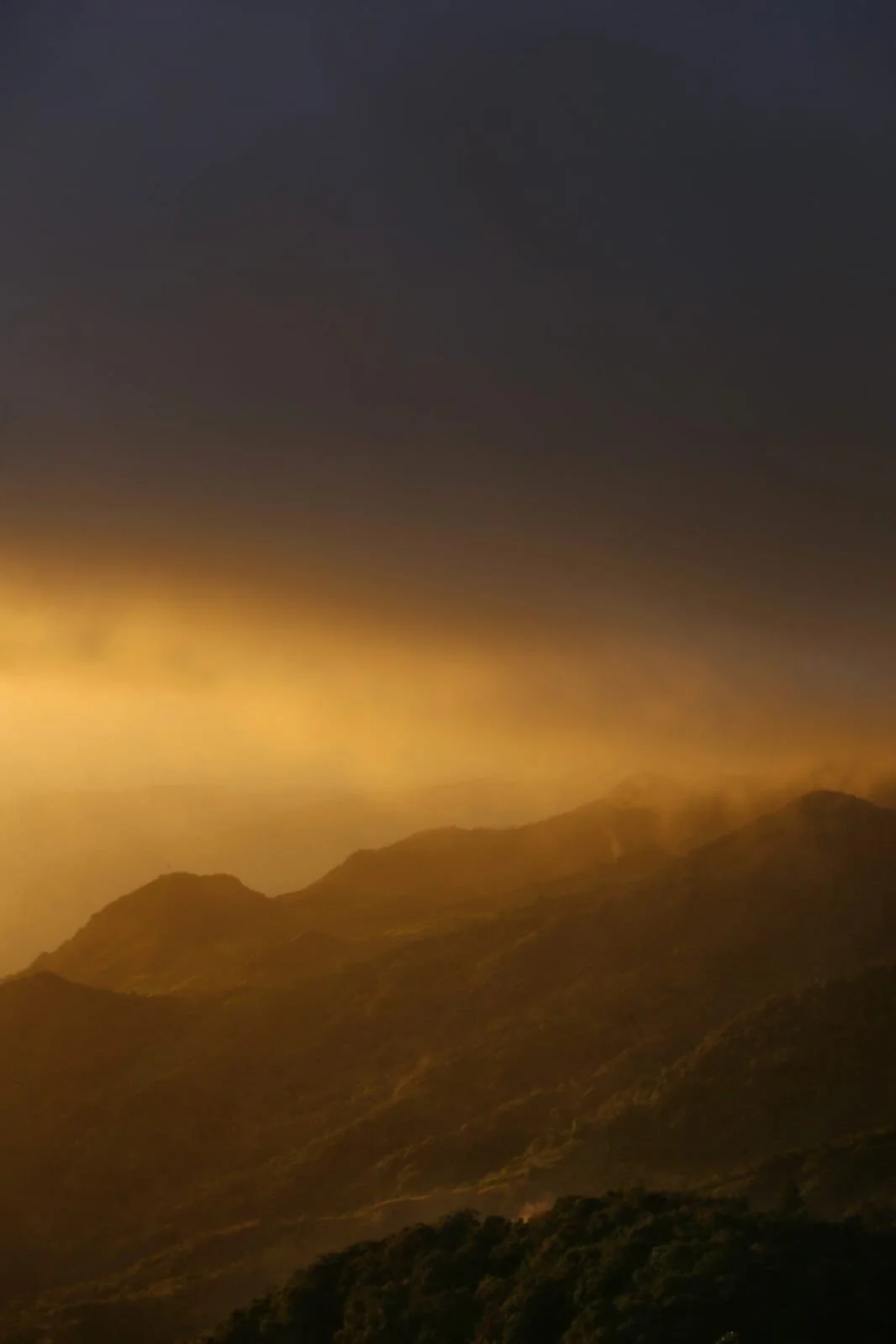
The experience of staying at Gamboa is shaped heavily by this contrast. Guests often describe waking up to the sound of howler monkeys echoing through the canopy, a deep and resonant sound that carries across the forest at dawn. As the day begins, tropical birds fill the air with calls, while mist rises off the river and filters through the trees. From balconies or open walkways, it is common to see wildlife moving through the vegetation without any effort to avoid human presence. Monkeys may cross treetops in small groups, iguanas may rest in warm patches of sunlight, and brightly colored birds may appear briefly before disappearing back into dense foliage.
At the same time, just beyond the forest edge, the canal system is active. Large vessels move slowly through waterways that appear impossibly narrow compared to their size. The visual contradiction is striking. Steel ships carrying global cargo passing through a landscape that feels completely wild creates a sense that two different worlds are occupying the same space without interfering with each other. This proximity between global infrastructure and untouched rainforest is one of the defining features of the Gamboa experience.
One of the most distinctive aspects of the resort is its emphasis on immersion rather than separation. Unlike coastal resorts that often isolate guests from their surroundings, Gamboa integrates itself into the environment. Structures are designed to blend into the forest rather than dominate it. Open-air elements, wooden architecture, and large viewing spaces encourage constant awareness of the surrounding ecosystem. Even simple activities like walking between areas of the property can feel like short journeys through a living jungle.
The surrounding rainforest is not just visually impressive but ecologically active at every level. The canopy layer above is filled with birds, insects, and primates. The understory is dense with plant life adapted to low light conditions. The forest floor is humid, textured, and constantly shifting with movement from small animals and decomposing organic matter. Everything feels in motion, even when nothing appears to be moving immediately.
Because of its location, Gamboa is also one of the best entry points for exploring Panama’s canal ecosystem. Boat excursions from the area often travel into sections of the canal watershed, where visitors can see how human engineering and natural water systems have been merged into a functioning global trade route. The scale of the canal becomes more meaningful when viewed from within the surrounding jungle rather than from urban observation points. It becomes clear that the canal is not simply a line on a map but a fully integrated system carved into a living rainforest.
Another defining feature of Gamboa is its connection to wildlife observation. The region is widely recognized as one of the best birdwatching zones in Central America. Early mornings are particularly active, as birds move through different layers of the forest in search of food. The diversity is partly due to the overlap of ecosystems in the area, where river, lake, and rainforest environments intersect. This creates a dense concentration of species within a relatively small geographic area, making it attractive to researchers, photographers, and nature enthusiasts.
The climate plays an important role in shaping the experience as well. Gamboa exists in a true tropical rainforest environment, meaning humidity is consistently high, rainfall is frequent, and vegetation remains lush throughout the year. Rain is not disruptive in the same way it might be in urban settings. Instead, it is part of the rhythm of the ecosystem. After a heavy rainfall, the forest becomes even more active, with intensified sounds, richer smells, and increased animal movement.
Despite being surrounded by wilderness, Gamboa remains surprisingly close to urban life. The distance to Panama City is short enough that visitors can move between skyscrapers and jungle within the same hour. This creates one of the most unusual contrasts in the region. It is possible to spend the morning in a modern financial district filled with traffic, glass towers, and urban noise, and by midday be sitting beside a river in complete natural silence, watching monkeys move through trees while ships pass in the distance.
This proximity makes Gamboa especially unique as a destination. It is not remote in the traditional sense, yet it feels completely removed from the pace and structure of the city. The psychological transition is often more dramatic than the physical one. Urban awareness gives way to environmental awareness. Time feels less structured. Sound becomes more natural and layered. Even simple observations, like light filtering through leaves or the movement of water along the riverbank, become more noticeable.
Gamboa also appeals to a very specific type of traveler. It is not designed for nightlife, shopping, or fast-paced tourism. Instead, it attracts people who are interested in nature immersion, ecological observation, quiet retreat, and proximity to one of the most important engineering systems in the world. It is equally appealing to birdwatchers, researchers, photographers, and travelers seeking a slower and more reflective experience.
Ultimately, Gamboa Rainforest Reserve is not defined by a single feature. It is defined by overlap. It exists where rainforest meets river, where river meets canal, and where canal meets global commerce. It is a place where nature and human engineering do not replace each other, but instead coexist in a constant state of visible interaction.
And that is what makes Gamboa so fascinating. It is not simply a destination to visit, but a place that reveals how many different worlds can exist in the same physical space, layered together without fully merging, each continuing its own rhythm side by side.