
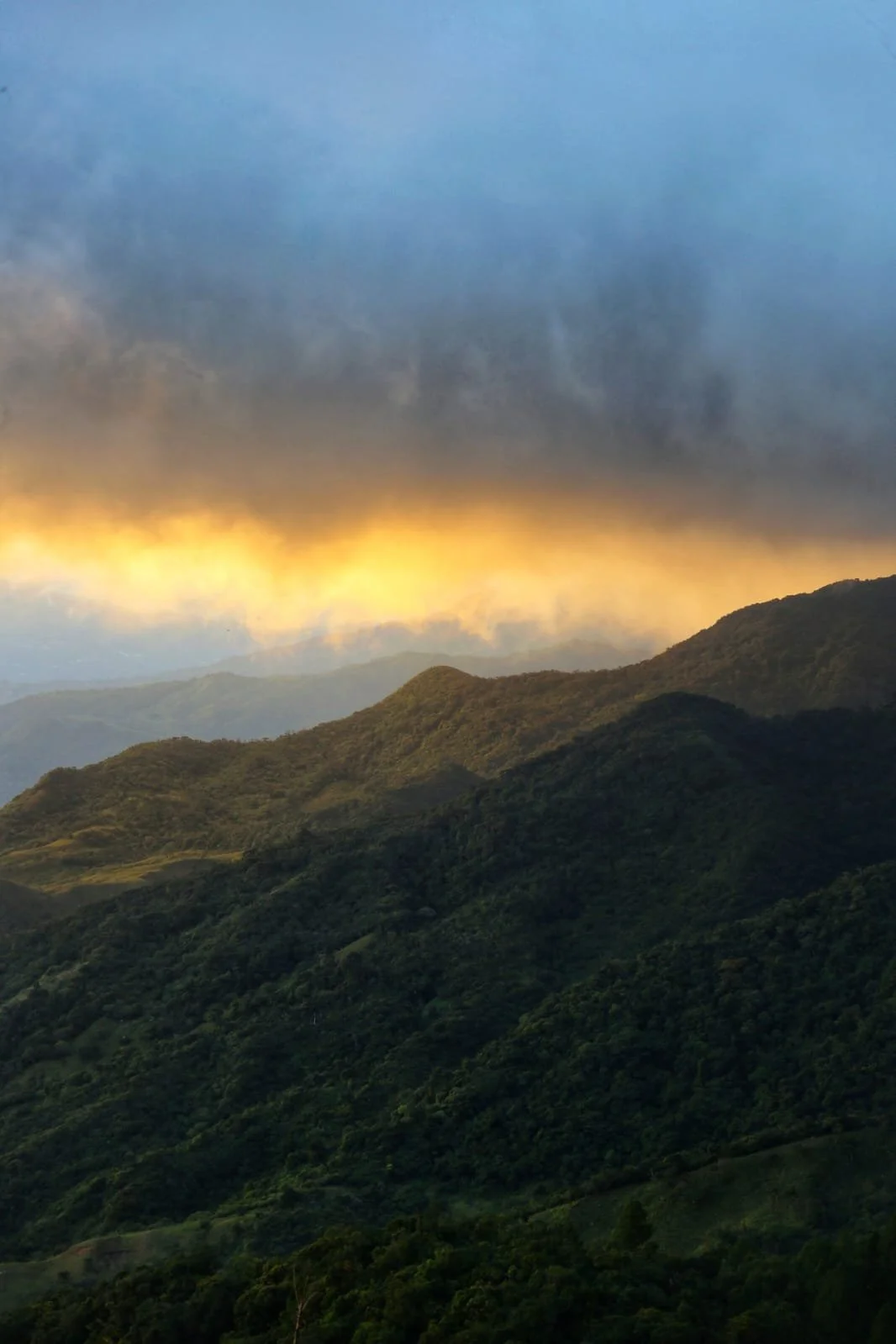
At first glance, Panama seems like the kind of place where organic food should be everywhere.
The country is tropical, green, fertile, rainy, and filled with agricultural regions. Jungle surrounds highways. Mangoes fall from trees onto sidewalks. Pineapples grow in enormous abundance. Bananas appear everywhere. Mountains produce coffee that wins international awards. Markets overflow with colorful produce beneath blazing tropical heat.
So many travelers arrive assuming organic vegetables must naturally be common.
Then they begin searching for them.
And suddenly they discover something strange.
Finding truly organic vegetables in Panama can be surprisingly difficult.
Not impossible, certainly. Organic farms exist. Farmers markets exist. Specialty stores exist. Some restaurants proudly advertise local organic ingredients. Yet compared to what many visitors from North America or Europe expect, Panama’s organic food scene feels smaller, more fragmented, less standardized, and often more expensive than anticipated.
This confuses people because Panama looks agricultural from the outside.
But the reality is far more complicated.
The Tropical Illusion
One of the biggest misconceptions foreigners have is assuming tropical countries automatically produce cleaner or more natural food.
The logic seems reasonable. Panama has fertile soil, year round growing seasons, and lush landscapes. Surely vegetables grow easily without chemicals, right?
Unfortunately, tropical agriculture often creates the opposite pressure.
Heat, humidity, fungi, insects, mold, plant diseases, and relentless rainfall make farming in Panama extremely difficult. Crops in tropical climates face constant biological attack. Fungus spreads aggressively. Insects reproduce continuously. Weeds grow explosively.
In colder climates, winter naturally kills many agricultural pests and diseases each year. Panama has no real winter reset.
The tropical environment is productive, but it is also biologically relentless.
This means many farmers rely heavily on pesticides, herbicides, and chemical fertilizers simply to maintain stable production.
The Climate Is Brutal for Vegetables
Panama is excellent for growing many tropical fruits, but certain vegetables struggle in the lowland heat and humidity.
Leafy greens in particular can become difficult. Lettuce, spinach, broccoli, cauliflower, and similar crops generally prefer cooler conditions. This is one reason many vegetables are grown in higher elevation areas like the Chiriquí Highlands near Boquete and Volcán.
Even there, however, tropical rainfall creates fungal problems constantly.
Farmers must battle rot, insects, soil exhaustion, intense sun, and unpredictable rain patterns. Organic farming under these conditions becomes labor intensive, risky, and expensive.
A tomato plant in Panama does not merely grow quietly in the sunshine. It enters ecological warfare.
The Economics of Organic Farming
Organic farming usually requires more labor, more monitoring, lower yields, and greater risk.
In Panama, this creates a difficult economic equation.
Many consumers prioritize affordability over organic certification. Large portions of the population simply cannot justify paying significantly higher prices for vegetables labeled organic.
As a result, many farmers focus on maximizing production and keeping costs low rather than pursuing expensive organic systems.
The market for premium organic produce exists mainly among wealthier Panamanians, foreign residents, tourists, and upscale restaurants.
Compared to countries with massive organic consumer markets, Panama’s demand remains relatively small.
This means fewer farms specialize fully in organic production.
Certification Problems
Another issue is certification itself.
In North America and Europe, consumers are used to formal organic labeling systems with strict regulations and recognizable certifications. Panama’s system feels less standardized and less visible.
Some farmers may use relatively natural methods without formal certification because certification processes can be expensive, bureaucratic, or impractical for small operations.
This creates a strange situation where some vegetables may actually be fairly clean but lack official organic labels.
Meanwhile, some consumers remain skeptical because enforcement and transparency vary.
Travelers often ask farmers directly about pesticide use because labels alone do not always tell the full story.
Imported Food Complicates Everything
Panama imports enormous amounts of food.
Supermarkets contain products from the United States, Costa Rica, Colombia, Mexico, and beyond. Imported vegetables often compete directly with local produce.
This affects organic markets in complicated ways.
Sometimes imported organic products exist, but they become extremely expensive due to shipping and retail markup. Organic kale or imported berries can reach astonishing prices in upscale supermarkets.
Meanwhile, local conventional vegetables remain dramatically cheaper.
The result is a food landscape where organic products often feel like luxury goods rather than ordinary household items.
The Supermarket Reality
Many foreigners living in Panama eventually notice something frustrating about supermarkets.
The produce sections often look visually impressive at first glance, colorful peppers, tomatoes, onions, lettuce, and fruit stacked beautifully beneath bright lighting. But finding clearly labeled organic vegetables can still be difficult outside certain specialty stores.
Even when organic products appear, selection may be inconsistent.
One week there is organic lettuce. The next week there is none. Supply chains remain less predictable than in larger industrialized markets.
This inconsistency partly reflects the realities of small scale organic production in a tropical country.
Farmers Markets and the Organic Search
Many people searching for organic food in Panama eventually turn toward farmers markets.
In places like Panama City and Boquete, small markets featuring local growers have become increasingly popular. Some farmers focus on pesticide free methods, regenerative farming, hydroponics, or smaller scale sustainable production.
But even here, things become complicated.
Not every vendor advertising “natural” or “local” is truly organic in the strict sense. Sometimes the language reflects lower chemical use rather than complete elimination.
And because Panama lacks the enormous industrial organic infrastructure of countries like the United States, consistency varies heavily between farms.
Consumers often build trust through relationships rather than certification alone.
Boquete and the Highland Advantage
If Panama has an unofficial center of organic agriculture, it is probably the highlands of Chiriquí.
The cooler climate around Boquete and Volcán makes vegetable farming easier than in the tropical lowlands. Temperatures remain milder. Certain pests become less aggressive. Leafy greens survive more comfortably.
Foreign residents and wellness oriented communities in these mountain towns have also increased demand for organic produce.
As a result, farmers markets and specialty organic farms appear more frequently there than in many other parts of the country.
Still, even in Boquete, organic vegetables remain relatively expensive compared to conventional produce.
The Insect Reality
One uncomfortable truth about tropical organic farming is that insects in Panama are extraordinarily aggressive.
The tropical ecosystem produces endless life. Butterflies, beetles, caterpillars, ants, aphids, worms, fungus, mites, and countless other organisms attack crops constantly.
In temperate climates, winter kills huge numbers of agricultural pests annually.
Panama offers no such mercy.
Organic farmers therefore face constant pressure and must use labor intensive methods to protect crops naturally. Some succeed beautifully, but the work required can be exhausting.
Why Fruits Sometimes Feel Easier
Travelers often notice that tropical fruits in Panama seem abundant and relatively natural compared to vegetables.
This partly reflects biology.
Mango trees, coconut palms, papayas, bananas, pineapples, and other tropical fruits often thrive more naturally in Panama’s climate than delicate vegetables do.
Many fruits grow with relatively low intervention once established.
Vegetables, especially imported temperate varieties, demand much more management.
The Cultural Factor
Another reason organic culture remains somewhat limited is historical.
For much of Panama’s history, food concerns focused more on affordability, availability, and practicality than on organic certification or wellness branding.
The modern organic movement arrived more recently, influenced heavily by foreign residents, tourism, international trends, and wealthier urban consumers.
Older generations often prioritize freshness over organic labels specifically. Many people trust local market vegetables because they are fresh and locally grown even if they are not certified organic.
The Irony of Tropical Agriculture
There is a deep irony in Panama’s food system.
The country looks incredibly natural from the outside. Jungle surrounds roads. Rain falls constantly. Birds scream from trees. Everything appears alive.
Yet intensive tropical agriculture can involve heavy chemical use precisely because the environment itself is so biologically active.
The same climate that creates lush green beauty also creates relentless agricultural pressure.
The Future of Organic Food in Panama
Organic farming in Panama is slowly growing.
Health consciousness increases every year. Farmers markets expand. Specialty cafés advertise local ingredients. Younger consumers show greater interest in sustainability and clean eating.
Some farms experiment with regenerative agriculture, permaculture, hydroponics, and pesticide reduction.
Tourism also plays a role. Foreign visitors and expats often create demand for organic produce, especially in places like Boquete and parts of Panama City.
Still, the industry remains relatively niche compared to larger global markets.
The Final Truth About Organic Vegetables in Panama
Organic vegetables are difficult to find consistently in Panama because the country sits at the intersection of several challenging realities.
The tropical climate makes farming biologically intense. Organic production is expensive and labor heavy. Consumer demand remains limited outside certain groups. Certification systems are less standardized. Imported food competes heavily with local production.
And beneath it all lies the central paradox of tropical agriculture:
The same heat, rain, humidity, and explosive biodiversity that make Panama feel lush and fertile also make truly organic vegetable farming extraordinarily difficult.
In Panama, nature is abundant.
But nature is also aggressive.