
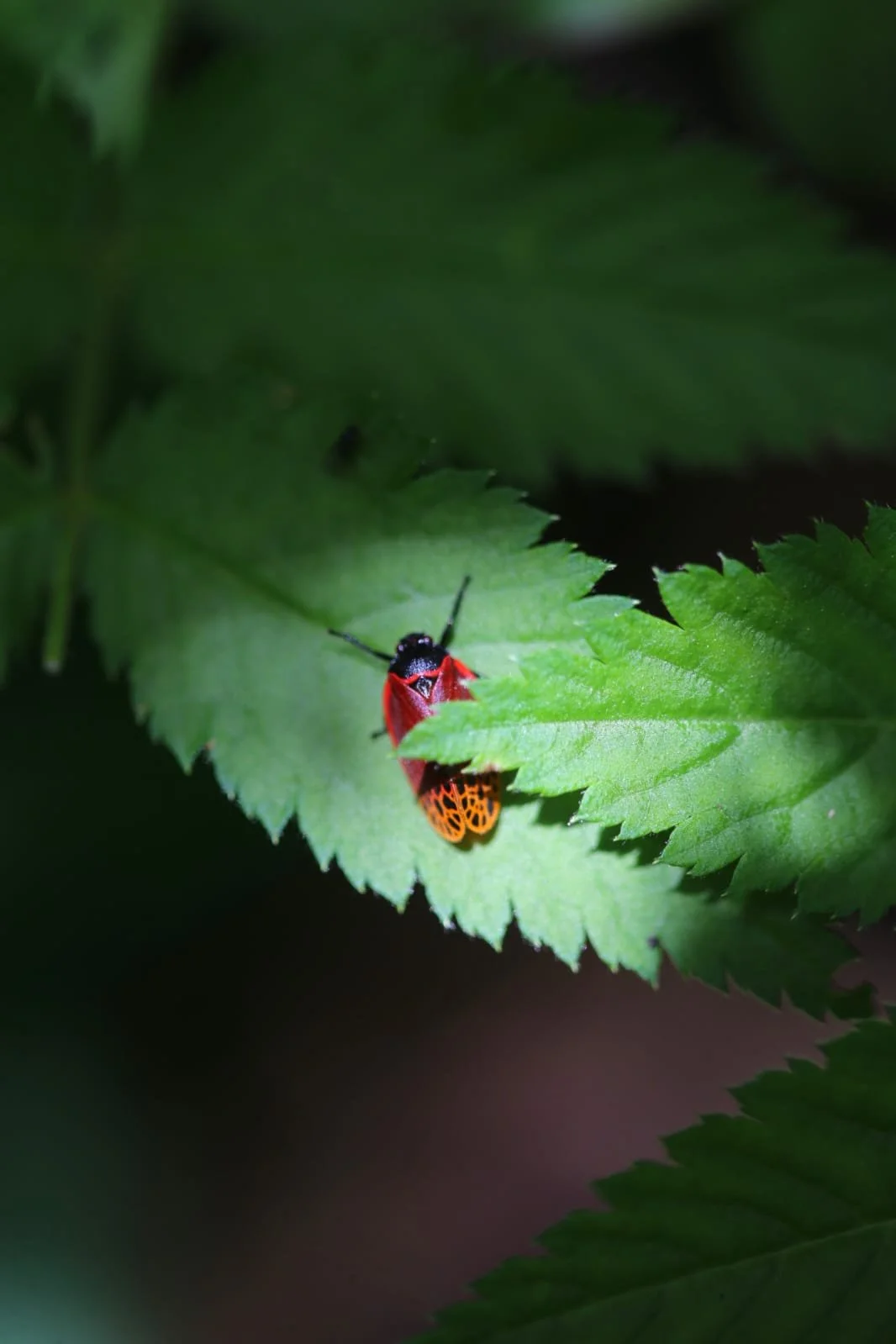
In a country as wild and biodiverse as Panama, most people expect to encounter monkeys, sloths, colorful birds, and maybe even snakes. What few expect, but many eventually hear about, are bot flies. Strange, unsettling, and endlessly fascinating, bot flies are one of those creatures that spark curiosity and discomfort in equal measure. They are not common in everyday travel, but they are very real, and understanding them turns fear into awareness.
The species most relevant in Panama is the Human Botfly. Unlike typical flies that simply land, feed, and move on, this insect has a completely different life strategy. It does not rely on direct contact to infect a host. Instead, it uses other insects as delivery systems. Mosquitoes or other biting flies unknowingly carry bot fly eggs, and when they land on a warm blooded host, human or animal, the heat triggers the eggs to hatch. The tiny larvae then enter the skin, beginning a short but unusual stage of development.
This is where the bot fly’s reputation comes from. The larva lives just under the skin, creating a small, raised bump that may resemble a mosquito bite at first. Over time, it develops into a noticeable boil like swelling with a tiny opening at the center. This opening allows the larva to breathe. While this might sound alarming, the reality is often less dramatic than the idea. In most cases, it causes mild discomfort, itching, or a strange sensation, rather than severe pain.
Bot flies are found throughout tropical regions, and in Panama they are more common in rural and jungle environments. Areas with dense vegetation, high humidity, and abundant wildlife provide ideal conditions. Regions like Bocas del Toro and Darién Province are often mentioned due to their remote nature and rich ecosystems. However, even in these areas, encounters are relatively rare compared to the number of people who visit.
One important point is that bot flies are not actively seeking humans. Their primary hosts are animals, especially mammals like monkeys, rodents, and livestock. Humans are incidental hosts, meaning it happens occasionally, but not frequently. This is why many people spend years in Panama without ever experiencing a bot fly.
Prevention is straightforward and largely overlaps with general insect protection. Wearing long sleeves and pants in jungle areas, using insect repellent, and avoiding excessive exposure during peak mosquito activity times can significantly reduce risk. Since bot flies rely on other insects to deliver their eggs, minimizing bites from mosquitoes and similar insects is the most effective defense.
If someone does get a bot fly larva, the situation is manageable. The larva needs air through its small breathing hole, and covering that opening can sometimes encourage it to come closer to the surface. Medical professionals can remove it safely and cleanly. It is not something to attempt aggressively or without proper knowledge, as improper removal can lead to infection or irritation.
Beyond the shock factor, bot flies are actually a remarkable example of evolutionary adaptation. Their life cycle, using other insects as carriers, is highly specialized and efficient. In ecological terms, they are simply part of the broader web of life in tropical environments, no different in principle from other parasites or insects.
For travelers and residents alike, the key is perspective. Bot flies sound far worse than they usually are in reality. They are uncommon, preventable, and treatable. Understanding them removes much of the fear and replaces it with a kind of respect for the complexity of tropical ecosystems.
In the end, Panama’s wildlife includes everything from the beautiful to the bizarre. Bot flies fall firmly into the latter category, a reminder that nature is not always comfortable, but it is always fascinating. For those willing to learn rather than fear, even something as strange as a bot fly becomes just another story from life in the tropics.