
Panama’s Highland Kingdom of Mountains, Cattle, Coffee, and Character
There are parts of Panama that feel unmistakably tropical. Places where the air hangs heavy with humidity and palm trees lean toward warm Pacific beaches. Places where jungle presses close against roads and the nights vibrate with insects and frogs.
Then there is Chiriquí Province.
Chiriquí feels different almost immediately.
The air becomes cooler in the mountains. The roads begin climbing into green highlands covered in coffee farms, pine trees, vegetable fields, rivers, and mist. Cattle graze across rolling hills that look more like something from another continent than the stereotypical image of tropical Panama. Pickup trucks rumble through mountain towns carrying sacks of produce and muddy boots. Roosters crow at dawn beneath fog drifting across valleys. The silhouette of the enormous Volcán Barú towers above the province like a giant watching over western Panama.
And perhaps more than anywhere else in the country, the people carry a deep and unmistakable regional pride.
To understand Chiriquí, you have to understand the Chiricanos.
Because in Panama, Chiricanos are famous for being Chiricanos.
People from other provinces joke about it constantly. The stereotype is that Chiricanos believe Chiriquí is the best place on Earth and are fully prepared to tell you exactly why at any moment. A person from Chiriquí can be living in another part of Panama for twenty years and still speak about home with the energy of someone campaigning for a small independent nation.
And honestly, after spending time there, many visitors begin to understand the obsession.
Chiriquí is one of the most geographically dramatic and economically important provinces in Panama. It sits in the far west of the country bordering Costa Rica and contains an incredible range of environments packed into one region. Pacific coastlines, volcanic mountains, cloud forests, cattle country, rivers, agricultural valleys, islands, and cool mountain towns all exist within the same province.
The province often feels more spacious and rural than much of the rest of Panama. There is a sense of land in Chiriquí. Big skies. Long valleys. Open farmland. Mountain horizons.
Agriculture forms part of the soul of the province.
Much of Panama’s vegetables come from Chiriquí. The fertile volcanic soils and cooler highland climate create conditions perfect for farming. Around towns like Volcán and Cerro Punta, fields spread across mountain valleys producing lettuce, carrots, onions, potatoes, strawberries, cabbage, and countless other crops.
Driving through these areas surprises many travelers because they do not resemble the tropical stereotype they imagined before arriving in Panama. In the cool mornings, workers bundled in jackets harvest vegetables beneath mountain mist while trucks haul produce toward markets across the country.
Chiriquí feeds Panama in many ways.
The province is also deeply tied to cattle ranching culture. Large ranches and grazing lands stretch across parts of the province, especially lower elevation regions. Cowboys on horseback remain a real part of life here rather than merely tourist imagery. Rodeos, livestock fairs, cattle auctions, and ranch traditions hold strong cultural importance.
This ranching identity contributes heavily to Chiricano pride. There is a strong sense of hard work, independence, and toughness associated with the region. Many Chiricanos see themselves as practical people connected to the land and less dependent on the politics and fast pace of Panama City.
People in Panama sometimes jokingly describe Chiriquí almost like a separate country. The province has such a strong identity that it can feel culturally distinct from the rest of the nation. Chiricanos are known for defending their province passionately in conversations about food, climate, music, work ethic, and quality of life.
Ask a Chiricano where the best weather in Panama exists and there is a good chance they will say Chiriquí. Ask where the hardest working people live and they may say Chiriquí. Ask where the best coffee comes from and they will definitely say Chiriquí.
And regarding coffee, they may actually be correct.
The highlands around Boquete produce some of the most famous coffee on Earth.
The volcanic soil, elevation, cool temperatures, and mountain moisture create ideal conditions for coffee cultivation. Chiriquí became internationally famous through Geisha coffee, a variety that exploded into global luxury markets because of its extraordinary flavor profile. Some Panamanian coffees now sell for astonishing prices internationally.
Yet coffee culture in Chiriquí goes far beyond elite exports. Coffee is part of everyday life. Small farms cling to mountain slopes. Families dry beans beside homes. Morning coffee in Chiriquí is practically sacred.
The highlands themselves are among the most beautiful landscapes in Central America.
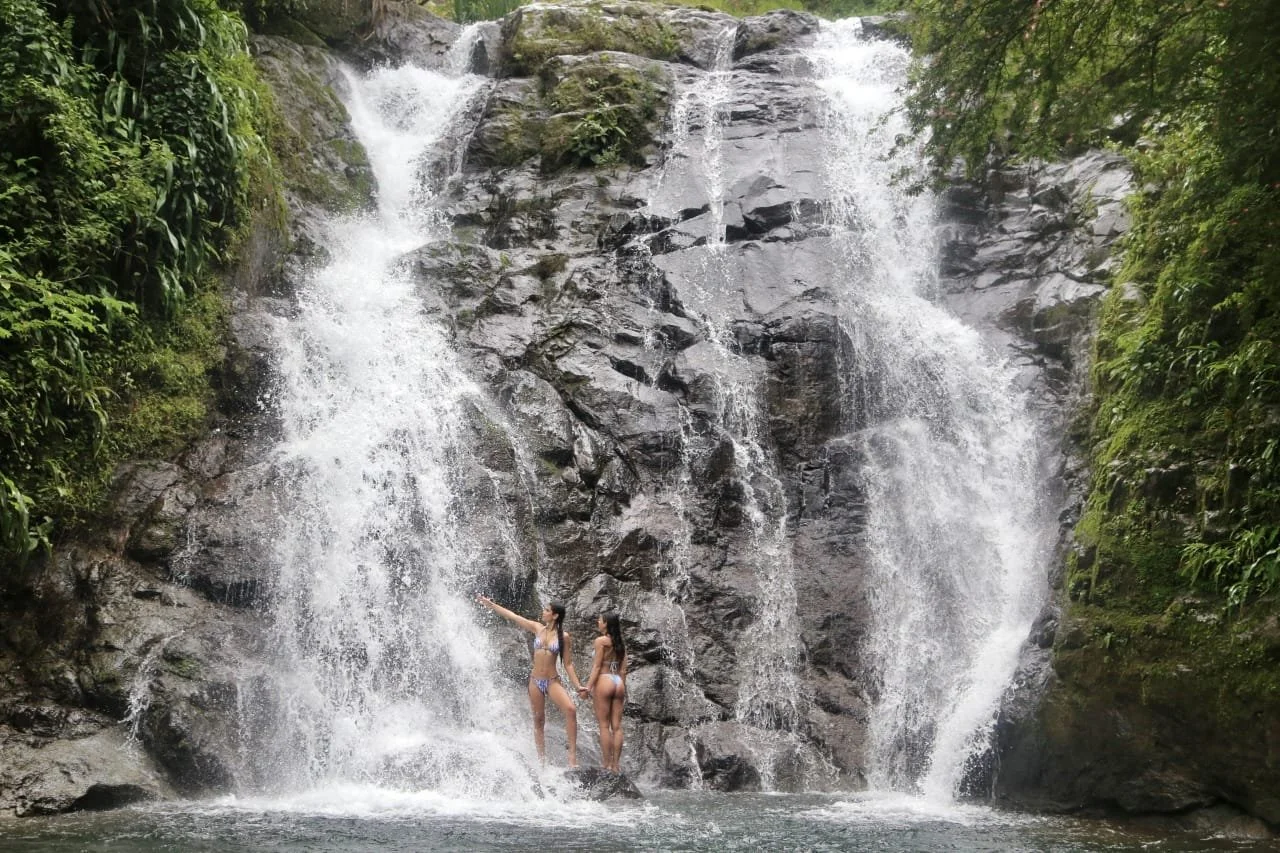
Around Boquete, forests climb steep valleys beneath the looming presence of Volcán Barú, the tallest mountain in Panama. Rivers cut through green canyons. Waterfalls tumble through jungle. Cool air mixes with flower gardens and coffee plantations. Travelers from hotter lowland regions often feel immediate relief arriving in the highlands.
Boquete especially became internationally known for its beauty, cooler climate, and outdoor activities.
Hiking, rafting, birdwatching, coffee tours, and mountain climbing attract visitors from around the world. At dawn, adventurous hikers climb Volcán Barú hoping to witness one of the rarest views on Earth where both the Pacific Ocean and Caribbean Sea may sometimes be visible from the summit under perfect atmospheric conditions.
But while Boquete became famous internationally, many Chiricanos feel the province’s real character exists beyond the tourist brochures.
Small mountain towns, cattle communities, roadside fondas, local festivals, and agricultural valleys hold the deeper rhythm of Chiriquí life.
There is also a strong frontier feeling in parts of the province. Chiriquí historically developed somewhat separately from central Panama because of geography and distance. Mountain barriers and rural landscapes fostered self reliance. Even today many Chiricanos possess a strong independent streak.
The province’s economy reflects this productivity and self confidence. Agriculture, cattle ranching, coffee, fishing, tourism, and commerce all contribute heavily to Panama’s economy. David, the provincial capital, is one of the most important cities outside Panama City and serves as a major commercial center for western Panama.
David itself feels very different from the capital. It is busy but more spread out, practical, and regional in character. Many people from rural areas travel there for shopping, medical care, education, and business. The city acts as the beating heart of western Panama.
Chiriquí’s natural diversity is extraordinary. Within the same province you can travel from cool cloud forest to hot Pacific beaches in only a few hours.
The Pacific coast contains fishing towns, mangroves, and access to incredible marine environments including the stunning Gulf of Chiriquí National Marine Park.
The gulf contains islands, coral reefs, dolphins, whales during migration seasons, sport fishing opportunities, and remote beaches that still feel relatively undeveloped compared to more famous tourist destinations elsewhere.
Then there are the forests.
Cloud forests in the highlands contain astonishing biodiversity including quetzals, orchids, monkeys, amphibians, and countless bird species. Lower elevation rainforests become hotter, denser, and more tropical. Chiriquí acts as a meeting point between different ecosystems, creating remarkable biological richness.
This connection to nature forms another layer of Chiricano identity. Many residents grow up close to rivers, mountains, farms, forests, and animals. Outdoor life remains deeply woven into the culture.
Festivals and celebrations also reveal the province’s strong regional pride. Traditional music, rodeos, folkloric dress, cattle fairs, and agricultural exhibitions remain major events. During festivals, people celebrate not just Panama but specifically Chiriquí itself.
Food plays a huge role too.
Chiricano cuisine reflects the province’s agricultural abundance. Fresh dairy products, beef, vegetables, coffee, and hearty rural cooking dominate many local dishes. Meals often feel filling and grounded in farming culture.
There is also a widespread belief among many Panamanians that Chiricanos are especially hardworking. Whether fair or exaggerated, the stereotype persists strongly. The image of the disciplined rancher, coffee farmer, or agricultural worker became tied to the regional identity over generations.
Of course like all stereotypes, reality is more complicated and diverse than simple labels. Chiriquí contains wealthy landowners, struggling farmers, urban professionals, Indigenous communities, tourism workers, students, and people from many backgrounds. But the broader image of resilience and industriousness remains deeply associated with the province.
The province also has a strong relationship with migration and international influence. Over time, foreign settlers including Europeans contributed to agricultural development in the highlands, especially around Boquete and Volcán. Retirees from abroad later arrived seeking cooler climates and quieter lifestyles.
Yet despite outside influences, Chiricano identity remains extremely strong.
People from Chiriquí often carry themselves with a distinct confidence about where they come from. Sometimes it appears humorous or exaggerated. Other times it feels almost patriotic on a regional level.
But beneath the jokes lies something real.
Chiriquí offers a quality of life many people genuinely admire. Cooler weather. Rich farmland. Dramatic scenery. Strong local culture. Productive industries. Outdoor beauty. Relative safety in many areas. A slower rhythm than the capital.
The province has challenges too, of course. Economic inequality exists. Infrastructure can vary. Tourism growth creates pressure in some areas. Agricultural communities face environmental and market struggles. Young people sometimes leave for opportunities elsewhere.
Still, the emotional attachment many Chiricanos feel toward their province remains powerful.
Perhaps it comes from the mountains themselves.
There is something about waking up beneath misty highland skies while Volcán Barú rises in the distance that creates loyalty. Something about drinking coffee grown on nearby slopes while cool air drifts through pine trees in tropical Panama. Something about cattle ranches, rivers, waterfalls, vegetable valleys, and open landscapes that gives Chiriquí a feeling unlike anywhere else in the country.
For travelers, Chiriquí often becomes the region they remember most vividly after visiting Panama.
Not because it is the loudest place. Not because it is the flashiest place. But because it feels deeply alive with regional identity.
And if you spend enough time there, do not be surprised if you eventually catch yourself doing the exact same thing as the locals:
Talking about Chiriquí like it is the greatest place in Panama.