
The Almost Invisible Insects That Look Like Flying Pieces of Magic
There are moments in the forests of Panama when nature becomes so strange and beautiful that it almost stops feeling real. Panama already overwhelms travelers with color and movement everywhere they look. Scarlet macaws scream over rainforest canopies, poison dart frogs glow like living jewels beside jungle streams, morpho butterflies flash electric blue through the trees, and hummingbirds move through flowers so quickly they seem to bend time itself. Yet among all this tropical chaos, few creatures create the same stunned reaction as the glasswing butterfly. Because the first time someone truly sees one, their brain briefly struggles to process what they are looking at. The insect appears to float through the rainforest almost invisibly. Sunlight passes directly through its wings while only delicate dark outlines reveal its shape. It does not seem like a normal butterfly. It looks more like a tiny piece of living glass drifting silently through humid jungle air.
The most astonishing thing about glasswing butterflies is exactly what gives them their name. Large portions of their wings are transparent. Not slightly translucent. Not faintly pale. Truly transparent. You can literally see the forest through them. Leaves, sunlight, branches, flowers, and shadows all remain visible through the wings as the butterfly moves through the rainforest. Scientists discovered that microscopic structures on the wing surface reduce light reflection so effectively that the wings remain incredibly clear instead of appearing shiny or opaque. In simple terms, nature engineered an insect with windows for wings. And somehow evolution decided this was an excellent survival strategy. In dense tropical forests filled with predators, transparency makes glasswing butterflies far harder to notice while flying among shifting patterns of sunlight and vegetation. They become almost ghostlike in motion, vanishing and reappearing depending on the angle of light.
Panama provides ideal habitat for glasswing butterflies because the country contains enormous stretches of humid tropical forest where warm temperatures, moisture, flowering plants, and dense vegetation support incredible insect biodiversity. Especially in rainforest regions surrounding Soberanía National Park, the cloud forests near Boquete, and countless jungle trails throughout the country, butterflies drift constantly through shafts of tropical sunlight beneath the canopy. Most travelers initially notice the loud dramatic species first. Blue morphos flash like flying neon signs through the forest while giant owl butterflies resemble dead leaves with enormous fake eye patterns. But glasswings operate differently. They reward patience and attention. Often people do not even realize they have seen one until it lands quietly on a leaf nearby and suddenly reveals its impossible transparent wings.
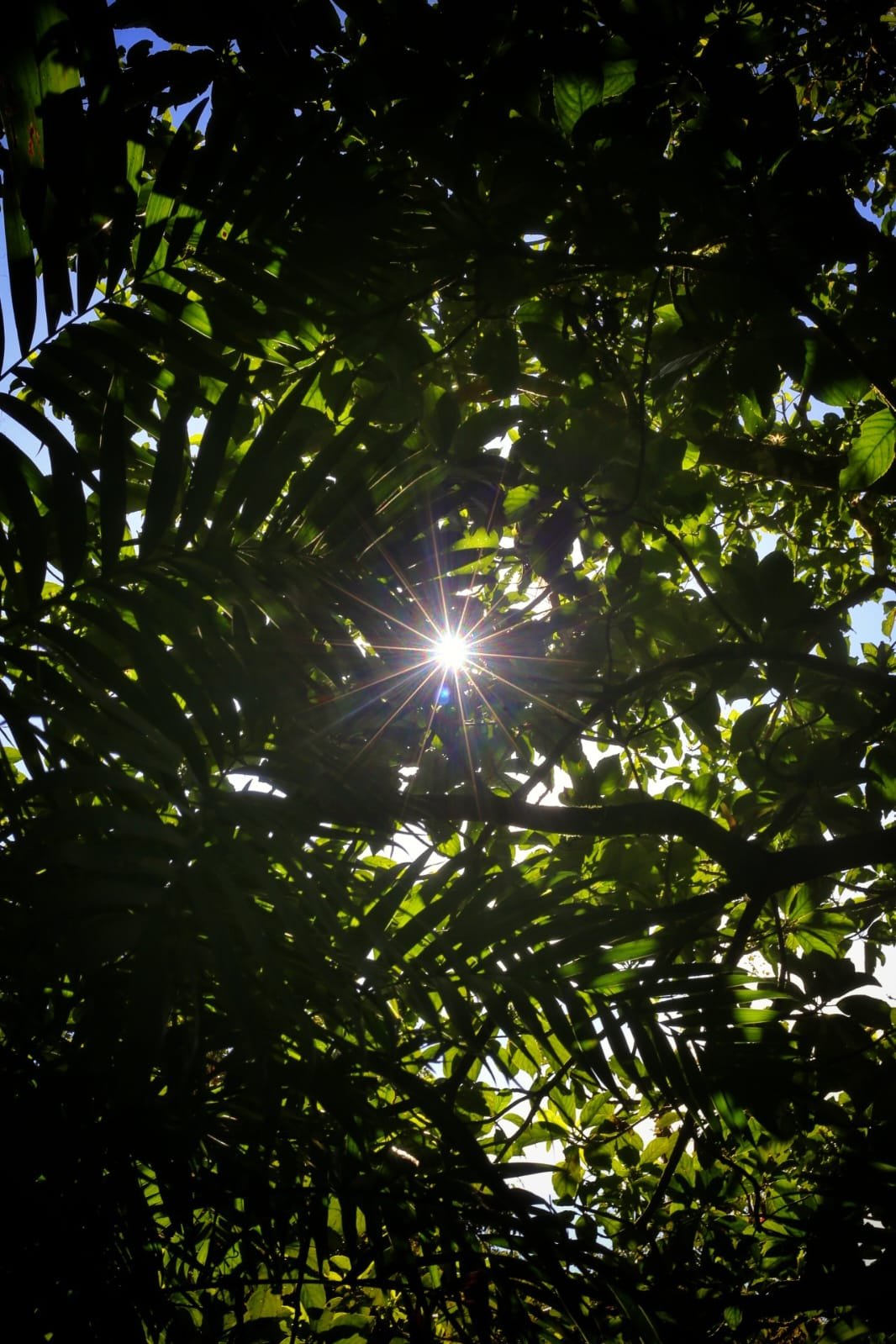
One fascinating thing about tropical forests in Panama is how layered the visual environment becomes. Sunlight filters through dozens of levels of vegetation while mist, humidity, and moving leaves constantly alter lighting conditions. In this world, camouflage evolves into astonishing forms. Some insects resemble sticks. Others imitate bird droppings. Some moths disappear completely against bark. Glasswing butterflies solved the problem differently. Instead of blending into one color or texture, they nearly erased themselves altogether. Watching one fly through rainforest vegetation feels deeply surreal because parts of the insect appear to vanish continuously against the background. The dark borders of the wings remain visible while the centers disappear into whatever lies behind them. Against bright sunlight they glow softly. Against shadow they nearly disappear.
One of the most beautiful moments travelers can experience in Panama happens when a glasswing butterfly lands close enough for detailed observation. At first the butterfly seems fragile beyond belief. The wings look impossibly delicate, like tiny stained glass windows held together by thin black veins. Yet despite their appearance, these butterflies survive remarkably well within rainforest ecosystems filled with rainstorms, predators, humidity, and constant environmental challenges. Tropical forests are not gentle environments. Rain can fall with explosive force. Winds shift suddenly through valleys. Birds hunt constantly. Spiders build invisible traps across vegetation. Yet these transparent butterflies continue floating through the jungle with astonishing elegance.
Glasswing butterflies also reveal one of the most fascinating truths about tropical ecosystems in Panama. The rainforest is not built only from large dramatic animals. Tourists often arrive dreaming about jaguars, sloths, monkeys, and toucans. Those creatures are wonderful of course, but the true complexity of the rainforest often exists in smaller details. Tiny frogs hidden in bromeliads. Ant highways crossing the forest floor. Orchids growing on moss covered branches. Transparent butterflies drifting through filtered sunlight. The deeper people explore Panama’s forests, the more they realize the jungle operates through millions of interconnected smaller lives creating one enormous living system. Butterflies play important ecological roles as pollinators while also becoming food sources for birds, reptiles, spiders, and other creatures. Even something as delicate as a glasswing participates fully in the survival machinery of the rainforest.
One especially interesting aspect of glasswing butterflies is that their transparency does not necessarily make them defenseless. Many species in the broader Ithomiini butterfly group contain toxic chemicals absorbed from plants during their caterpillar stage. These toxins make them unpleasant or dangerous for predators to eat. In other words, the butterfly combines invisibility with chemical defense. Tropical evolution rarely relies on only one strategy when it can build five simultaneously. This creates creatures that seem almost impossibly sophisticated despite their tiny size. A transparent butterfly drifting through the rainforest may appear fragile and vulnerable, yet hidden within its body are complex biological adaptations refined over millions of years.
The life cycle of glasswing butterflies feels almost magical too. Like all butterflies, they begin as caterpillars before entering chrysalis form and transforming completely into winged adults. That transformation already feels miraculous in any species, but with glasswings it somehow becomes even stranger. The idea that a crawling caterpillar eventually becomes an almost invisible flying insect sounds less like biology and more like fantasy. Tropical rainforests constantly create this feeling. The deeper people look, the more unbelievable reality becomes. Nature in Panama often feels like science fiction operating quietly beneath leaves and vines.
Travelers exploring jungle trails in Panama sometimes become unexpectedly obsessed with butterflies after only a few days in the rainforest. At first they barely notice insects at all. Then slowly they begin seeing them everywhere. Tiny orange butterflies rising from muddy trails. Giant black swallowtails moving between flowers. Morpho butterflies flashing electric blue over rivers. And occasionally, if they are lucky and paying attention, a glasswing drifting silently through the understory like a living illusion. Rainforest hiking changes the way people observe the world. You stop looking only for large obvious animals and begin appreciating movement itself. A flicker near a leaf. A shape crossing sunlight. A nearly invisible butterfly floating through warm humid air.
One of the reasons glasswing butterflies fascinate people so deeply is because transparency feels unnatural on land. In the ocean, transparent creatures exist everywhere. Jellyfish, shrimp, larval fish, and countless marine organisms use invisibility underwater. But on land transparency becomes much rarer. Forest environments usually favor camouflage patterns, mimicry, or coloration instead. That makes glasswing butterflies feel especially unusual. They almost seem misplaced, like tiny marine ghosts somehow drifting through tropical forests instead of coral reefs. Their appearance challenges expectations of what insects are supposed to look like.
Perhaps most fascinating of all is the emotional effect these butterflies create. Many tropical animals impress through power, size, or noise. Howler monkeys shake the forest with their calls. Harpy eagles inspire awe through sheer predatory dominance. Crocodiles radiate ancient danger. Glasswing butterflies achieve something completely different. They inspire quiet wonder. People lower their voices around them instinctively. Watching one move through the rainforest feels delicate and strangely peaceful. The butterfly seems too perfect, too improbable, too artistic to belong entirely to ordinary reality.
And somewhere in the humid forests of Panama right now, beneath dripping leaves and shifting tropical sunlight, a glasswing butterfly is floating silently through the jungle with transparent wings carrying pieces of the rainforest sky inside them while almost nobody notices one of the most extraordinary insects on Earth passing gently through the air.