
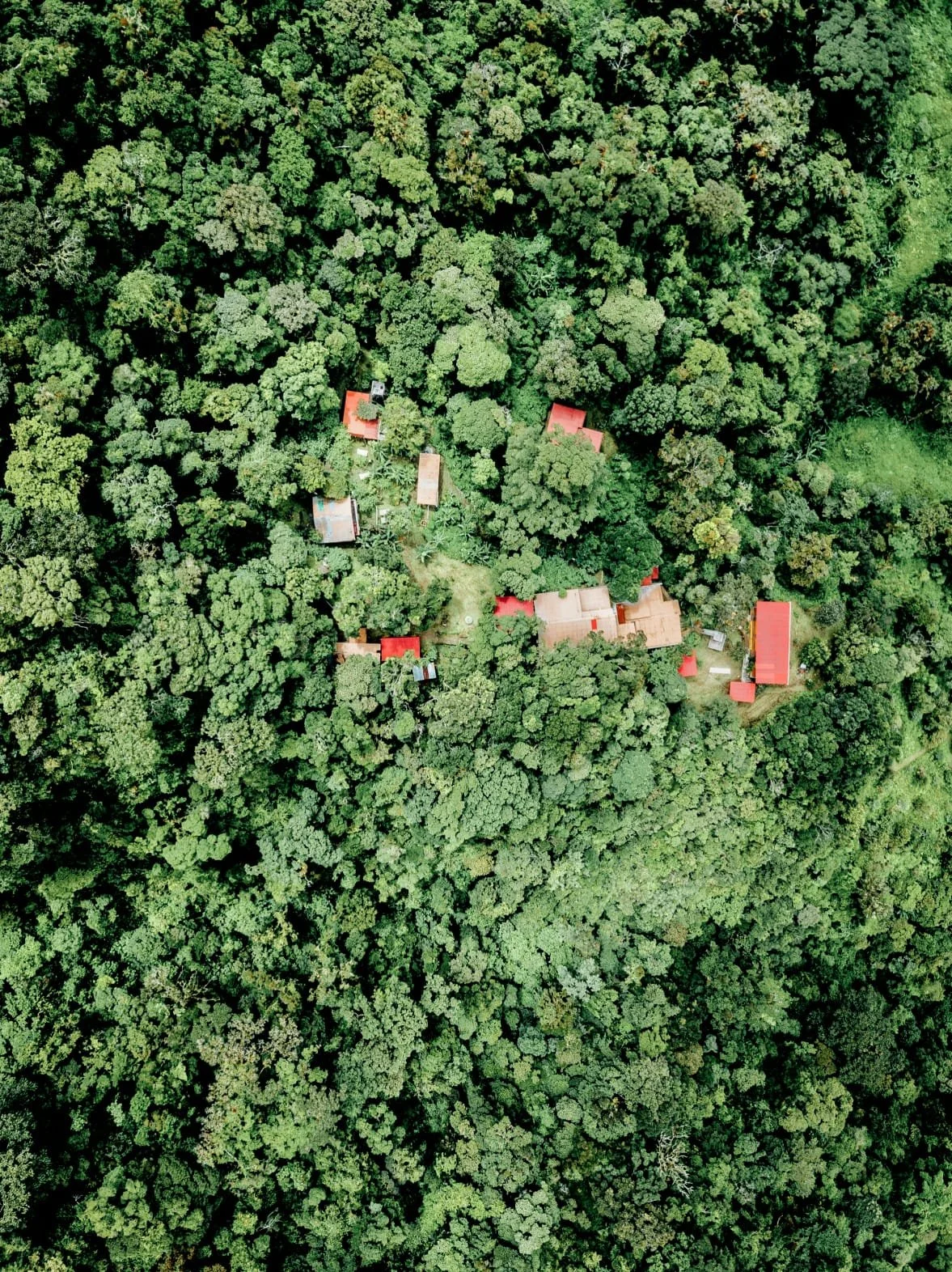
For decades, many travelers viewed Panama mainly as a place to see the Panama Canal, spend a night in Panama City, and continue onward to Costa Rica or South America. In 2026 that image is changing rapidly. Panama is transforming from a stopover destination into a country people intentionally choose for longer and more diverse trips. Tourism is expanding far beyond the canal and the capital city, and the kinds of travelers arriving are changing as well.
The country is now experiencing one of the strongest tourism growth periods in its modern history. Panama passed three million international visitors in 2025, with tourism revenues rising sharply and visitor numbers continuing to increase into 2026. What makes this growth especially interesting is that it is not driven by only one kind of traveler. Panama is attracting luxury visitors, digital nomads, eco tourists, retirees, cruise passengers, backpackers, wellness travelers, and regional tourists all at the same time.
One of the biggest shifts in Panama’s tourism industry is the movement away from quick visits toward longer stays and experience focused travel. Travelers increasingly want more than beaches and hotels. They are searching for culture, nature, authenticity, food, hiking, wildlife, indigenous experiences, surfing, coffee tourism, and wellness retreats. Panama’s geography allows the country to offer all of these within relatively short travel distances.
Boquete has become one of the clearest examples of this transformation. Once known mostly as a quiet mountain town popular with retirees, it is now developing into a center for sustainable tourism, wellness travel, remote work culture, and nature based experiences. In 2026 the town hosted Remote Latin America 2026, an international gathering focused on sustainable and experiential travel. This reflects a broader trend across Panama where tourism is increasingly tied to eco tourism, slower travel, and outdoor experiences rather than mass tourism alone.
Travelers today are also spreading out across the country much more than in previous years. For a long time most international visitors stayed almost entirely within Panama City. That is changing. Destinations such as Boquete, Bocas del Toro, Santa Catalina, Pedasí, El Valle de Antón, Playa Venao, and the San Blas Islands are receiving far more international attention than they did even ten years ago.
Bocas del Toro in particular has become one of the country’s most internationally recognizable destinations. The islands attract surfers, divers, backpackers, and remote workers who often stay for weeks or months instead of days. The Caribbean atmosphere, island lifestyle, and expanding coworking culture appeal strongly to younger travelers and digital nomads. Online travel communities increasingly describe Panama as one of the top remote work destinations in Central America because of its infrastructure, dollar based economy, internet connectivity, and international flight connections.
The rise of digital nomads is one of the most important tourism demographic changes happening in Panama. Before the pandemic, tourism was dominated mainly by short term vacation travelers and business visitors. In 2026 many visitors blur the line between tourism and temporary living. Remote workers may stay for months while continuing to earn foreign salaries online. Panama City, Boquete, and Bocas del Toro have all seen growing demand for coworking spaces, longer term rentals, cafes with reliable internet, and wellness oriented lifestyles.
This shift has created both opportunities and tensions. On one hand, remote workers spend money locally for long periods and help support restaurants, cafes, apartments, transportation services, and local businesses year round. On the other hand, some residents worry that increasing foreign demand could gradually raise housing costs and change neighborhood character. Discussions in online nomad communities increasingly mention fears of overdevelopment and cultural homogenization in tropical destinations around the world.
Another major trend in 2026 is the growth of luxury and boutique tourism. Panama is no longer competing only as a budget destination. High end hotels, rooftop restaurants, wellness resorts, eco lodges, and boutique island properties are expanding rapidly. Areas such as Casco Viejo, the Pearl Islands, and sections of Bocas del Toro are attracting wealthier travelers looking for personalized experiences rather than massive resort complexes.
Casco Viejo especially has transformed dramatically. The historic district has become one of Latin America’s trendiest urban tourism zones, combining restored colonial architecture with luxury hotels, fine dining, rooftop bars, museums, and art galleries. Many international visitors now choose to stay in Casco rather than the financial district because they want a more atmospheric and walkable experience.
Food tourism is also becoming far more important. Panama’s culinary identity is finally receiving international attention after years of being overshadowed by neighboring countries. Travelers increasingly seek seafood markets, Afro Caribbean cuisine, indigenous ingredients, specialty coffee, tropical fruit culture, and modern Panamanian fusion restaurants. Gastronomy is becoming part of the country’s tourism branding rather than an afterthought.
Cruise tourism is simultaneously expanding. Panama’s strategic location and canal infrastructure make it naturally attractive for cruise lines. Studies in 2026 show cruise passenger numbers continuing to recover and grow strongly following the pandemic years. Cruise tourism especially benefits areas connected to canal routes and Caribbean ports, although some critics argue that cruise visitors spend less locally than overnight tourists.
Domestic tourism inside Panama is also evolving. Panamanians themselves are traveling more within their own country, particularly for short weekend trips and beach vacations. Hotels increasingly market all inclusive packages, wellness weekends, and quick escape experiences to local residents. This internal tourism market became especially important after the pandemic and remains a major part of the industry’s stability.
The demographics of Panama’s tourists are becoming far more diverse than in the past. Traditionally the largest international visitor groups came mainly from the United States, Colombia, and nearby Latin American countries. Those markets remain important, but Panama is also attracting increasing numbers of European travelers, remote workers, retirees, surfers, and adventure travelers from a much wider range of countries.
Younger travelers now play a much larger role than before. Backpackers and social media driven travelers are helping smaller destinations gain global attention very quickly. Places like Santa Catalina and Playa Venao have grown partly because of surf culture, Instagram photography, and online travel communities. Travelers are increasingly choosing destinations based on visual appeal, internet reputation, and lifestyle branding.
At the same time, Panama still faces major tourism challenges. Infrastructure outside the capital can remain inconsistent. Some beautiful destinations are difficult to access. Environmental concerns are growing in fragile ecosystems. Rapid development in some beach towns raises fears about habitat destruction and overbuilding. Waste management, traffic congestion, and uneven urban planning remain problems in parts of the country.
Climate and sustainability are becoming central issues as well. Modern travelers increasingly care about environmental impact and community involvement. Global tourism trends in 2026 strongly favor regenerative and sustainable travel experiences that directly support local communities and conservation. Panama’s enormous biodiversity gives it a major advantage in this area if development is managed carefully.
Perhaps the most important thing changing about tourism in Panama is perception itself. The country is no longer seen merely as a canal nation or banking center. Increasingly it is being recognized as a place of rainforests, islands, wildlife, surfing, mountain towns, gastronomy, indigenous cultures, urban nightlife, and long term lifestyle travel.
In many ways Panama now sits at an interesting crossroads. It has not yet become as globally saturated as destinations like Costa Rica, Cancún, or Bali, but tourism growth is accelerating quickly. Whether Panama can preserve its authenticity, natural beauty, and cultural identity while continuing to grow may define the future of its tourism industry for decades to come.