
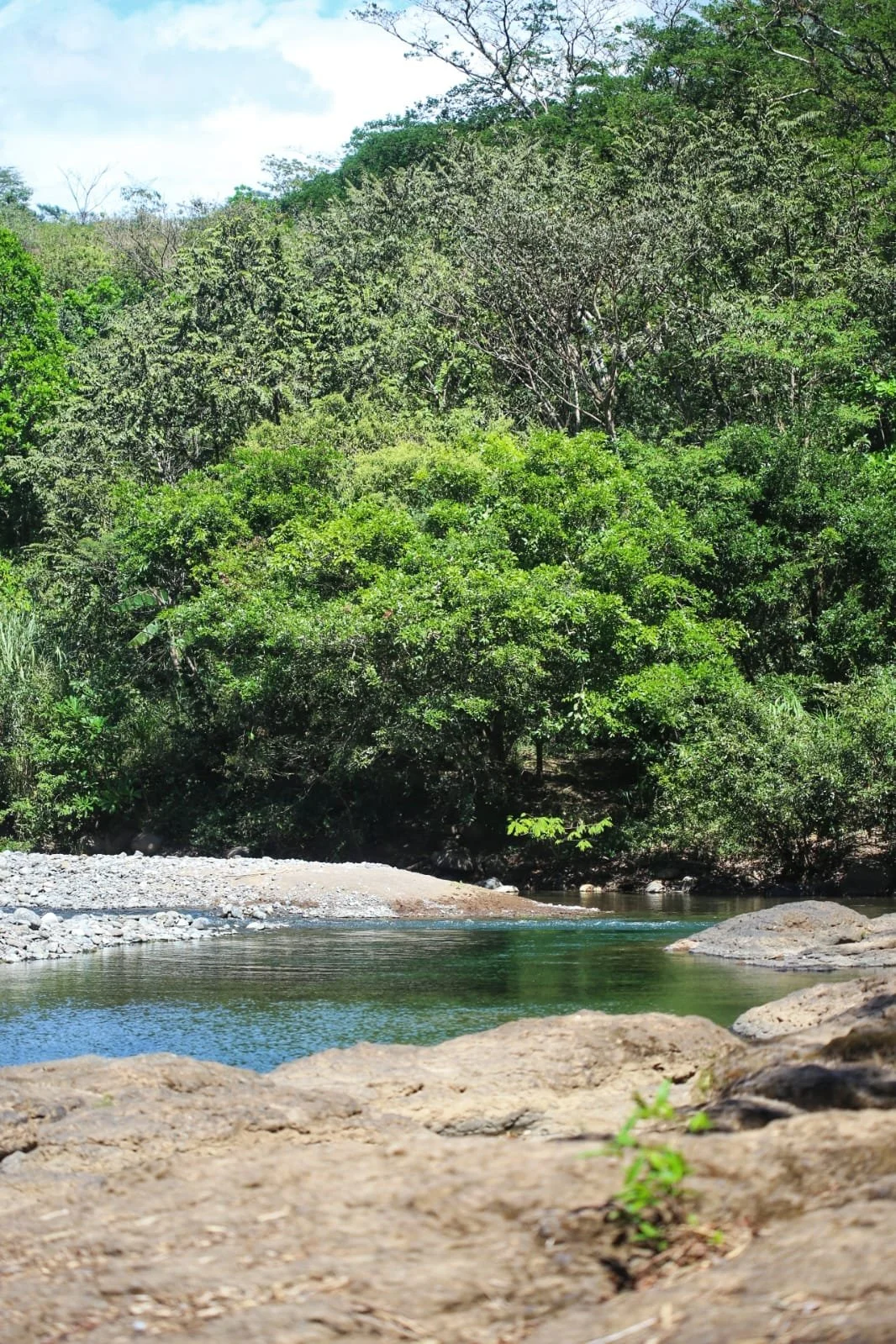
Along the remote Pacific coast of Panama, hidden behind mangrove forests and long stretches of undeveloped shoreline on the southern edge of the Azuero Peninsula, lies one of the most biologically important and hauntingly beautiful islands in the country. This is Isla Cañas, a narrow barrier island famous for sea turtles, immense beaches, tropical estuaries, violent rainy season storms, and an atmosphere that feels wonderfully detached from the modern world.
To many travelers, Isla Cañas remains almost unknown. It does not have the international fame of Panama’s Caribbean archipelagos or the polished resort infrastructure of more commercial beach destinations. Yet for naturalists, geographers, wildlife lovers, and adventurous travelers, Isla Cañas is one of the most fascinating coastal landscapes in all of Panama. It is a place where tides shape daily life, where thousands of sea turtles emerge from the Pacific under moonlight, and where mangroves and wetlands create one of the richest ecosystems on the Azuero coast.
At first glance on a map, Isla Cañas appears thin and fragile, a long strip of land separated from the mainland by tidal channels, mangrove systems, and estuaries. But that narrow geography is precisely what makes the island so important. Isla Cañas acts as a natural barrier between the Pacific Ocean and the inland wetland systems behind it. This type of island formation is critical for coastal ecology because it absorbs wave energy, protects estuaries, and creates sheltered environments where marine life can reproduce and develop.
Geographically, Isla Cañas belongs to one of the most intriguing coastal regions in Panama. The surrounding area combines dry tropical forest, mangroves, mudflats, estuaries, sandy beaches, and nutrient rich Pacific waters into a remarkably productive ecosystem. Ocean tides constantly reshape the coastline. Rivers and tidal currents move sediment through mangrove channels while Pacific swells crash along the outer beaches facing the open ocean.
The journey to Isla Cañas already feels like an adventure into a quieter and wilder version of Panama. Travelers move through cattle country and rural villages in Los Santos Province before eventually reaching muddy estuarine zones where boats become the primary way to access the island. Depending on tides and weather, transportation can feel unpredictable and deeply tied to the natural rhythms of the coast.
This dependence on tides defines life around Isla Cañas. Water levels rise and fall dramatically throughout the day, transforming mudflats into channels and exposing vast stretches of wet sand. Mangrove roots emerge like twisted sculptures during low tide while fish and crabs move through flooded forests during high tide. The entire ecosystem breathes with the movement of the ocean.
The mangrove forests surrounding Isla Cañas are among the island’s greatest treasures. Mangroves are some of the most important coastal ecosystems on Earth, functioning as nurseries for fish, buffers against storms, and habitats for enormous biodiversity. Around Isla Cañas, these forests form dense green labyrinths where birds, reptiles, fish, and crustaceans thrive.
Moving through mangrove channels by boat can feel almost surreal. The water becomes dark and reflective beneath tangled roots and overhanging branches. Herons stand motionless along muddy banks while small fish ripple across the surface. Fiddler crabs wave oversized claws from exposed mud during low tide. In quieter areas the only sounds may be dripping water, distant birds, and the slow hum of insects hidden within the vegetation.
Birdlife around Isla Cañas is extraordinary. The combination of beaches, wetlands, estuaries, mangroves, and nearby agricultural areas creates ideal conditions for a huge variety of species. Pelicans patrol the surf while frigatebirds soar high above the coastline. Egrets and herons stalk tidal pools searching for fish and crustaceans. Migratory shorebirds arrive seasonally in impressive numbers, using the mudflats and beaches as feeding grounds during long migrations between continents.
But the true stars of Isla Cañas are the sea turtles.
The island is internationally important as a nesting site for several species of marine turtles, especially the Olive ridley sea turtle. During nesting season, the beaches of Isla Cañas become one of the most spectacular wildlife scenes in Panama.
At night, under darkness and moonlight, female turtles emerge from the Pacific after journeys that may have covered thousands of kilometers across the ocean. Slowly and laboriously they crawl up the beach beyond the tide line, digging nests deep into the warm sand with their rear flippers. Each turtle deposits dozens of eggs before carefully covering the nest and returning to the sea.
Watching this process in silence is unforgettable. The beaches at night feel primal and ancient, illuminated only by stars, moonlight, and crashing Pacific surf. The turtles themselves move with a kind of determined exhaustion, creatures following instincts millions of years old.
In some years, nesting activity becomes especially intense. Sections of beach may contain large numbers of turtles arriving during the same period, creating scenes that feel almost prehistoric. Conservation programs on Isla Cañas work to protect nests from poaching, predators, and environmental pressures, because sea turtles remain vulnerable throughout much of the world.
Months later, hatchlings emerge from the sand in tiny frantic waves, racing toward the ocean guided by moonlight and horizon reflections. Very few survive to adulthood, making every successful nesting season critically important for the future of these species.
The beaches themselves are immense and often nearly empty. Isla Cañas contains long uninterrupted stretches of dark sand where driftwood, shells, turtle tracks, and wave patterns replace hotels and beach bars. The Pacific here feels powerful and untamed. Waves roll in endlessly beneath skies that can change from brilliant sunshine to violent storms within hours.
Storms are one of the defining features of Isla Cañas. During the rainy season, the Pacific atmosphere becomes dramatic beyond words. Massive thunderclouds build offshore before moving inland with astonishing speed. Rain lashes the beaches while wind bends coastal vegetation sideways. Lightning flashes across the horizon while waves hammer the shoreline under dark skies.
These storms are not merely background scenery. They shape the island constantly. Rainfall influences nesting conditions, mangrove health, sediment movement, river flow, and even access to the island itself. During particularly intense weather, parts of the landscape can feel almost apocalyptic, with roaring surf, flooded estuaries, and dense curtains of tropical rain reducing visibility to almost nothing.
Yet after storms pass, the island often becomes breathtakingly beautiful. The forests drip with water, the air cools slightly, and sunsets explode into brilliant reds and oranges reflected across wet sand and tidal pools.
One of the most fascinating things about Isla Cañas is how isolated and undeveloped it still feels. Unlike heavily commercialized beach destinations, the island remains shaped primarily by ecology rather than tourism. There are no massive hotel towers dominating the shoreline. Instead, visitors encounter fishing communities, conservation efforts, small scale tourism, and enormous stretches of protected natural landscape.
Fishing remains central to local culture around the island. Coastal communities depend on estuaries, mangroves, and offshore Pacific waters for food and livelihoods. Small boats move through tidal channels carrying fishermen, supplies, and catches harvested from surrounding waters. The relationship between people and the environment still feels immediate and practical rather than heavily industrialized.
The nighttime atmosphere on Isla Cañas is extraordinary. With little artificial light, darkness becomes complete in many areas. The stars over the Pacific can appear dazzlingly bright while the sounds of frogs, insects, wind, and crashing surf merge into an almost hypnotic soundtrack.
During turtle season, nighttime walks along the beach become deeply emotional experiences. Travelers move quietly beneath the stars while searching for nesting turtles emerging from the surf. Every shadow in the moonlight might become the silhouette of a giant turtle slowly dragging itself across the sand.
Geographically, Isla Cañas also demonstrates how fragile barrier island systems truly are. Coastal erosion, sea level rise, storms, and climate change all threaten these environments. Barrier islands constantly shift and evolve through the movement of sediment and tidal forces. Isla Cañas is not a static landscape but a living coastal system shaped continuously by the Pacific Ocean.
For geographers, the island offers a remarkable example of estuarine ecology, coastal geomorphology, mangrove systems, marine biology, and human adaptation to tidal environments. Few places in Panama combine so many ecological processes within such a relatively compact region.
For travelers, however, Isla Cañas offers something simpler and perhaps even more valuable. It offers silence, darkness, wildlife, and the feeling of stepping into a version of the Pacific coast that still belongs more to nature than to tourism.
Standing on the beach at night while turtles emerge from black Pacific waves beneath a sky filled with stars, it becomes clear why Isla Cañas leaves such a strong impression on the people who visit. This is not merely another tropical island. It is one of Panama’s last great wild coastal sanctuaries, a place where tides, storms, mangroves, and ancient marine migrations still shape life with overwhelming power.