
Long before energy drinks, processed candy, flavored syrups, and industrial sweeteners became common, people in Panama already had raspadura.
Dark, rich, smoky, earthy, and deeply tied to rural life, raspadura is one of the oldest and most traditional sweet foods in Panama. It appears simple at first glance — hardened blocks or cones made from sugar cane juice — but behind that simplicity lies generations of agricultural knowledge, labor, fire, and tradition.
For many Panamanians, raspadura is not merely an ingredient.
It is childhood memory.
It is countryside culture.
It is the smell of boiling cane juice drifting through humid air while smoke rises from wood fires somewhere in the interior provinces.
Even today, in a world filled with processed sugar products, raspadura still carries the feeling of something older and more connected to the land.
What Exactly Is Raspadura?
At its core, raspadura is unrefined cane sugar.
Fresh sugar cane juice is extracted, boiled down slowly over heat until it thickens into a dense syrup, and then poured into molds where it hardens into solid blocks.
Unlike refined white sugar, raspadura keeps much of the original character of the sugar cane itself.
The result is darker, richer, more mineral-like, and far more complex in flavor.
Good raspadura can taste smoky, caramelized, earthy, slightly fruity, and deeply sweet all at once.
The flavor feels alive compared to the flat sweetness of industrial sugar.
Sugar Cane and Panama
To understand raspadura, you first have to understand sugar cane.
Sugar cane grows extremely well in Panama’s tropical climate. Tall green stalks thrive in the heat, rain, and fertile soil of many rural regions. Driving through parts of the country, especially the interior, travelers often pass fields of cane swaying beneath the sun.
For centuries sugar cane shaped life throughout Latin America.
Before industrial processing, communities developed local methods for extracting sweetness directly from the plant. Raspadura became one of the simplest and most practical forms of sugar production because it required relatively basic tools and preserved well.
In many rural areas of Panama, this tradition survived long after industrial sugar became widely available.
The Process of Making Raspadura
Traditional raspadura production feels almost ancient.
The process begins by crushing sugar cane to extract the juice. Historically this was often done using wooden or metal presses powered by animals, water, or later small engines.
Fresh cane juice emerges greenish and surprisingly refreshing.
But the real transformation happens during boiling.
Large metal pans sit over wood fires while the juice cooks slowly for hours. As water evaporates, the liquid thickens gradually into darker and darker syrup. Workers constantly stir, skim foam, and monitor consistency carefully.
The smell becomes incredible.
Sweet steam mixes with wood smoke and tropical air creating an aroma deeply associated with countryside life in Panama.
Eventually the syrup reaches the correct thickness and is poured into molds where it cools and hardens into solid blocks or cones.
The finished raspadura feels heavy, dense, and intensely concentrated.
Smoke, Fire, and Labor
One thing people often forget about traditional foods is how much physical labor once existed behind ordinary sweetness.
Making raspadura is hard work.
The fires burn hot for long hours. Cane must be harvested and crushed. Huge quantities of juice must be boiled down. Workers endure heat, smoke, humidity, and exhaustion.
Traditional raspadura production in Panama was never delicate artisanal hobby culture.
It was serious rural labor tied directly to survival and agriculture.
And because the process remains relatively simple technologically, it preserves a strong connection between the final product and the work required to create it.
The Flavor of the Countryside
Raspadura tastes unmistakably rural.
The flavor carries hints of smoke, molasses, caramel, and raw cane. Some pieces taste almost toasted while others feel richer and earthier depending on how they were produced.
Many travelers expecting ordinary brown sugar become surprised by how powerful the flavor actually is.
Raspadura does not try to disappear into food quietly.
It announces itself.
And because it is less refined, the sweetness feels somehow heavier and more textured than processed sugar.
Raspadura Drinks in Panama
One of the most common traditional uses for raspadura in Panama is making drinks.
Pieces dissolve into hot water or milk to create warming sweet beverages with deep caramel-like flavor. In rural areas these drinks remain associated with comfort, energy, and everyday life.
Cold versions also exist.
Mixed with water, lime, and ice, raspadura creates refreshing drinks especially appreciated in Panama’s heat.
The combination of sweetness, minerals, and slight smokiness somehow feels perfectly suited to tropical climates.
Food and Cooking
Raspadura appears in many Panamanian recipes and desserts.
People use it in:
Traditional sweets
Syrups
Baked goods
Candies
Sauces
Coffee drinks
Hot beverages
Rice desserts
Corn-based dishes
Its stronger flavor gives foods a more rustic and traditional character compared to refined sugar.
In some recipes, replacing raspadura with white sugar would completely change the identity of the dish.
Raspadura and Coffee
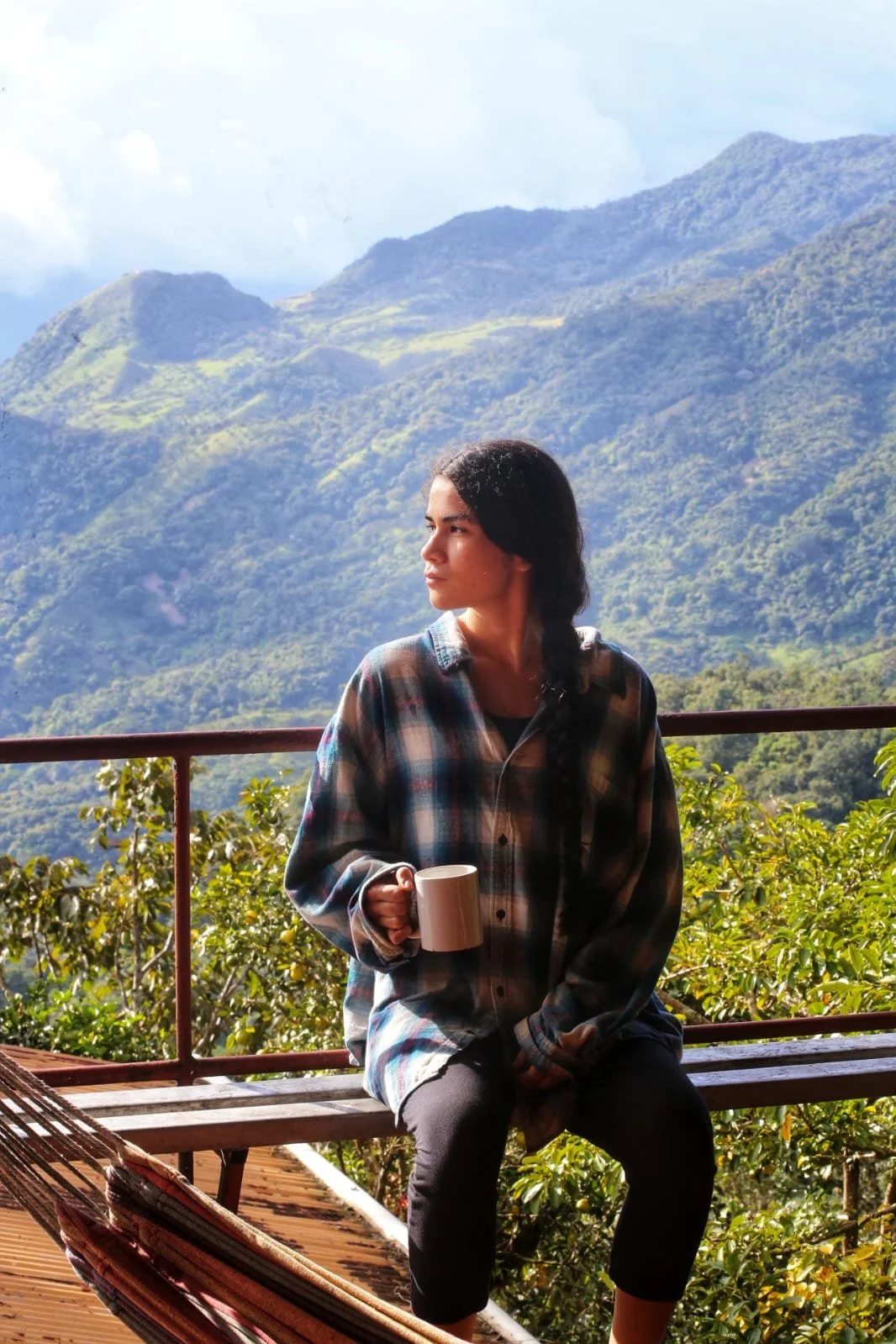
In Panama’s mountain regions, especially coffee-producing areas, raspadura often pairs beautifully with coffee.
The deep caramel notes complement dark roasted flavors naturally.
For many people, sweetening coffee with raspadura feels more traditional and satisfying than using processed sugar packets.
This pairing reflects the agricultural identity of Panama itself — coffee farms, sugar cane, mountain air, rain, and rural kitchens all connected through flavor.
The Texture of Rural Panama
Part of what makes raspadura special is that it still feels tied to physical places.
It belongs to farms, countryside kitchens, roadside markets, and interior provinces more than supermarkets and international chains.
Travelers exploring rural Panama often encounter raspadura in small stores, local markets, or homemade products sold beside highways.
The product carries the atmosphere of the countryside with it.
Smoke.
Heat.
Boiling cane juice.
Wood fires.
Sweat.
Rain.
Harvest seasons.
Even the appearance of raspadura feels old-fashioned in the best possible way.
A Sweetness That Lasts
Before refrigeration and industrial food systems, raspadura had enormous practical value.
It stored well, transported easily, and provided concentrated calories and energy for workers and rural families.
A single block could sweeten many drinks or meals over time.
In agricultural societies where physical labor dominated daily life, dense concentrated sugar mattered enormously.
Today raspadura survives not because people lack modern sugar alternatives, but because the flavor and tradition still matter.
Why Travelers Remember It
Many visitors encounter raspadura almost accidentally.
Perhaps someone offers a traditional drink in a mountain village. Maybe a roadside stand sells homemade sweets. Perhaps they smell boiling cane juice while driving through rural Panama.
Then suddenly they realize they are tasting something deeply connected to the country’s agricultural past.
Unlike mass-produced sweets that feel globally identical, raspadura tastes unmistakably local.
It tastes like fire and sugar cane and tropical countryside.
The Survival of Tradition
In many parts of the world, older food traditions disappear entirely once industrial products become dominant.
But raspadura survives stubbornly.
Partly because people genuinely still enjoy it.
And partly because it represents continuity with older rural life.
The product connects modern Panama to generations of farmers, laborers, and families who transformed sugar cane into sweetness long before industrial food systems existed.
More Than Sugar
In the end, raspadura is not simply sugar.
It is condensed history.
A food born from agriculture, fire, labor, and tropical landscapes.
Its flavor carries traces of smoke, cane fields, wood fires, and generations of countryside tradition.
And somewhere in rural Panama right now, sugar cane juice is slowly boiling over fire while sweet steam rises into the humid air and another batch of raspadura thickens inside a metal pan exactly as it has for centuries.