
There is a certain fantasy many travelers carry with them when they arrive in Panama. They imagine a nonstop adventure. Wake before sunrise. Catch every bus. Hike every volcano. Swim every waterfall. Party every night. See every island. Tick every destination off the map before the visa stamp expires.
At first, that energy feels exciting. Panama almost encourages it. The country is packed into a relatively small space, yet somehow contains jungles dripping with rain, Caribbean islands with no roads, cloud forests buried in mist, giant modern skylines, indigenous villages, surf beaches, cattle country, volcanic mountains, and endless stretches of tropical coastline. A backpacker can go from the skyscrapers of Panama City to remote jungle trails in the highlands within a day. The temptation is to keep moving constantly because every direction offers something incredible.
But somewhere around the second or third week, many travelers begin to realize something unexpected.
The best moments in Panama are often the moments when they stop trying so hard.
The truth is that resting is not the opposite of travel in Panama. Resting is part of the experience itself. In many ways, it is the key to actually enjoying the country rather than merely surviving it.
Panama is exhausting in ways that are difficult to understand before arriving. The heat alone drains people faster than expected. Even travelers who have spent time elsewhere in Central America are often surprised by the intensity of the humidity, especially along the Caribbean coast or in the lowlands. A simple walk carrying a backpack under the midday sun can leave someone completely wiped out. Add long bus rides, rough roads, bad sleep in dorm rooms, saltwater, alcohol, mosquitoes, hiking, and constant social interaction, and the body eventually begins demanding recovery whether the traveler likes it or not.
Backpackers often underestimate how tiring “vacation” actually becomes. At home, people have routines. They know where to sleep, where to eat, where to sit quietly, where to recharge. Backpacking removes all of that stability. Even enjoyable travel requires constant decision making. Where is the next hostel? Which bus leaves first? Is the weather good enough for the boat? Is there an ATM? Is the road safe at night? Can you drink the water? Is your stuff secure? Are you staying or leaving tomorrow?
The brain never fully shuts off.
In Panama, this becomes even more noticeable because transportation itself can feel like an expedition. A traveler heading toward the Caribbean islands of Bocas del Toro might spend hours on buses, boats, and water taxis before even arriving. Trips toward the remote islands of Guna Yala often start before dawn with winding mountain roads and crowded boats crashing through waves. Reaching places in the province of Darién Province can involve muddy roads, river transport, and long waits where schedules barely exist. Even mountain destinations like Boquete or Santa Fe may involve exhausting travel days through curves, rain, and elevation changes.
After enough movement, the body begins craving stillness more than excitement.
Ironically, that is usually when travelers start connecting more deeply with Panama itself.
The travelers who race through ten destinations in twelve days often return home with hundreds of photos but strangely shallow memories. They remember transportation. They remember logistics. They remember stress. But the travelers who slow down begin noticing things that rushed backpackers completely miss.
They notice the sound of rain hammering a tin roof in the mountains for an entire afternoon.
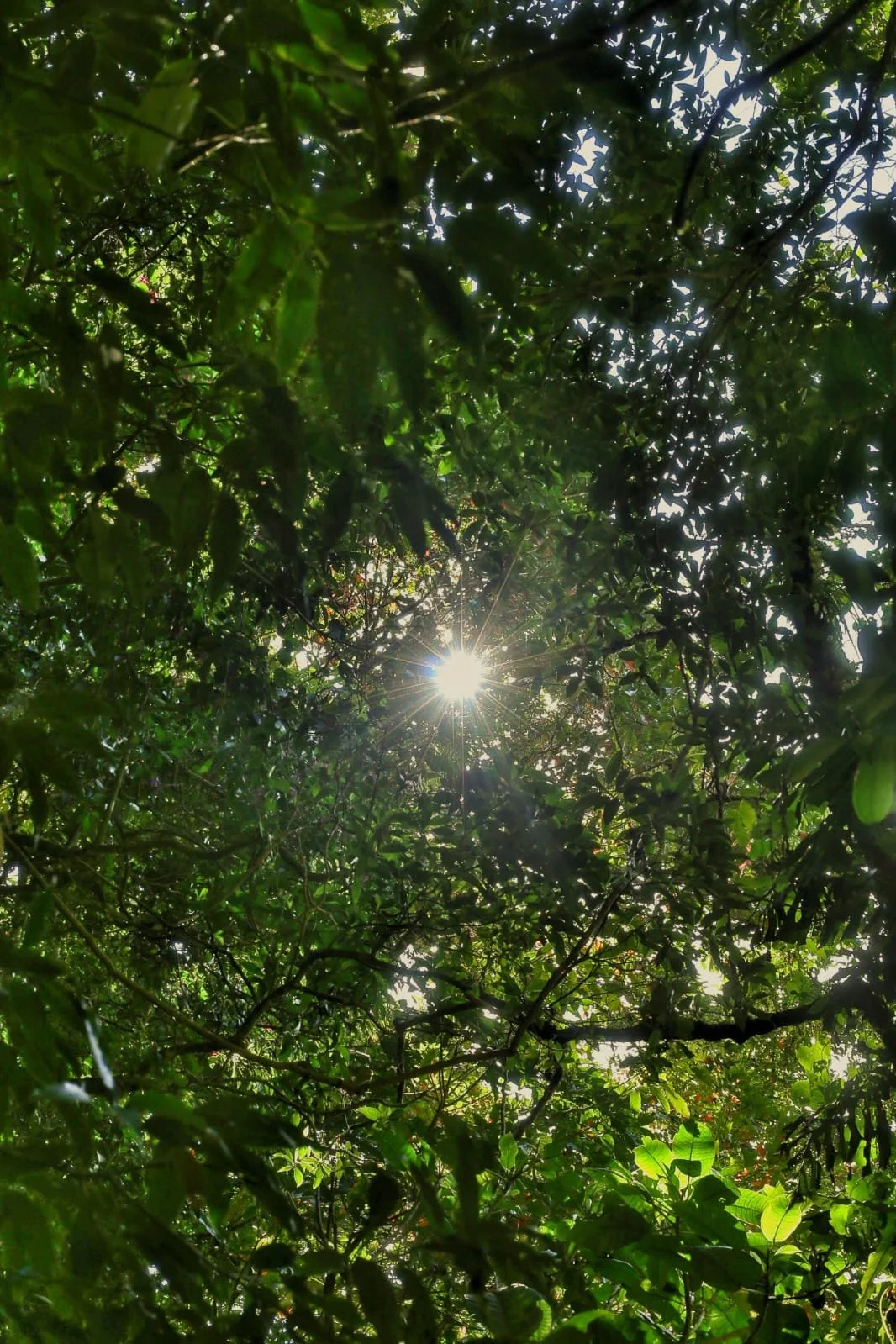
They notice how jungle fog rolls slowly through the trees at dawn.
They notice the old men sitting outside tiny stores drinking coffee before sunrise.
They notice the way tropical nights sound when the insects become so loud they almost resemble machinery.
They notice sloths moving in the canopy above a trail they would have otherwise rushed through.
They notice how satisfying it feels to spend an entire day in a hammock listening to distant thunder without doing anything productive at all.
Panama rewards slowness.
Some of the happiest backpackers in the country are not the ones frantically chasing attractions. They are the ones who accidentally “get stuck” somewhere for four or five days longer than planned. Maybe they planned two nights in a mountain hostel and stayed a week because they finally slept properly. Maybe they intended to island-hop quickly but instead spent lazy afternoons reading beside the Caribbean Sea. Maybe they skipped an entire destination because they simply did not have the energy anymore.
And often, those become the stories they remember forever.
There is also a physical reality many backpackers ignore. Tropical travel wears the body down gradually. Small things accumulate. Tiny dehydration. Mild sunburn. Poor nutrition. Not enough sleep. Too much alcohol. Constant movement. Damp clothing. Endless sweating. Bug bites. Heavy bags. A small stomach issue from unfamiliar food. None of these alone seem serious, but together they slowly exhaust people until they become irritable, sick, or emotionally burned out.
Rest days prevent this spiral.
A true rest day in Panama is not merely “doing fewer activities.” It may mean sleeping late while rain falls outside the hostel. It may mean sitting beside a river all afternoon without opening a map once. It may mean eating a slow breakfast while talking with other travelers for hours. It may mean wandering through a small town with no destination whatsoever. Sometimes the best travel day is the one where absolutely nothing important happens.
Panama is particularly suited for this kind of recovery because the country naturally encourages lingering. In the highlands, cool mountain air makes naps almost irresistible after days in tropical heat. Along the Caribbean coast, the rhythm of life slows dramatically. On islands and remote beaches, time becomes strangely irrelevant. Afternoon rainstorms force travelers indoors where conversations stretch for hours. Even the geography itself creates pauses. Ferries are delayed. Roads flood. Boats wait for weather. The country quietly teaches patience whether travelers planned for it or not.
Many experienced backpackers eventually discover a strange truth: exhaustion can ruin beautiful places.
A traveler who is burned out may arrive at a world-famous beach and feel nothing. They may stand on an incredible jungle viewpoint while secretly thinking only about sleep. They may become emotionally numb from constant movement and lose the ability to appreciate where they are. This happens more often than people admit.
Rest restores wonder.
After a few slow days in Panama, colors seem brighter again. Food tastes better. Jungle hikes become enjoyable rather than punishing. Travelers become more social, more curious, more adventurous. The country opens back up.
There is also a deeper cultural lesson hidden inside all this. Panama, despite its modern skyline and fast-growing economy, still contains strong traditions of taking life more slowly than many visitors are accustomed to. Long conversations matter. Family gatherings matter. Sitting outside matters. Taking time matters. In small towns especially, there is less obsession with efficiency and productivity. Travelers who constantly rush from attraction to attraction sometimes fail to adapt to this rhythm.
The irony is almost funny. People travel to Panama hoping to escape stress, yet many accidentally recreate stress by turning backpacking into a competition.
How many waterfalls did you see?
How many countries this year?
How many hikes?
How many islands?
How many photos?
Meanwhile, some exhausted traveler lying quietly in a hammock during a thunderstorm may actually be having the more meaningful experience.
Years later, backpackers rarely remember every bus ride or every hostel check-in. They remember feelings. They remember moments when time slowed down. They remember the smell of wet jungle after rain. They remember drifting asleep to insects and frogs somewhere deep in the mountains. They remember conversations on porches during storms. They remember floating lazily in warm Caribbean water without caring what day it was.
Those memories usually appear during the pauses.
Not the rush.
Panama is not a country that needs to be conquered. It is a country that slowly unfolds when travelers finally stop moving long enough to notice where they are.