
Rain in Bocas del Toro is not ordinary rain.
People who have never experienced the Caribbean side of Panama often imagine rainy season as a few gentle afternoon showers followed by sunshine and rainbows. That illusion usually lasts until the first truly massive tropical storm arrives. Then reality hits all at once. The sky darkens almost unnaturally fast, the wind begins moving through the palms, humidity thickens into something you can practically feel pressing against your skin, and suddenly the heavens open with a level of force that feels almost prehistoric.
The rain does not merely fall in Bocas del Toro during peak rainy periods. It crashes. It roars. It pounds rooftops so loudly conversations become impossible. Streets flood within minutes. Wooden docks become slick and shining. Jungle trails transform into mud rivers. Thunder shakes entire buildings while lightning flashes over the Caribbean Sea in dramatic bursts of white and violet.
And strangely enough, many travelers end up loving it.
Rainy season in Bocas del Toro is one of the most misunderstood experiences in Panama. Some travelers avoid it completely because they fear nonstop misery and canceled adventures. Others arrive completely unprepared, imagining tropical rain will be mild and charming. The truth lies somewhere in between. Rainy season in Bocas is intense, unpredictable, humid, beautiful, inconvenient, atmospheric, exhausting, and unforgettable all at once.
Understanding how the weather actually works is the first step to surviving it.
Unlike the Pacific side of Panama, which usually has a more defined dry season from roughly December through April, the Caribbean coast behaves differently. Bocas del Toro receives substantial rainfall throughout much of the year because moist Caribbean air constantly collides with jungle covered islands and mountains. Even during relatively drier months, rain is still common. Some periods are simply wetter than others.
The heaviest rainy periods often occur around July, November, and December, although weather patterns can shift unpredictably from year to year. During these wetter stretches, it may rain heavily for hours or even days at a time. However, rainy season rarely means endless nonstop darkness every single day. Instead, Bocas weather tends to move in cycles. A morning may begin sunny and beautiful before enormous clouds suddenly build over the jungle by afternoon. Other times heavy rain falls overnight while mornings remain surprisingly clear.
One of the strangest things about Bocas weather is how localized it can be. One island may be getting absolutely hammered by rain while another nearby area stays relatively calm. Boat captains and locals become surprisingly skilled at reading cloud patterns and predicting approaching storms based purely on the look of the sky and movement of the wind.
The humidity during rainy season deserves special attention because it affects nearly everything. Bocas is humid year round, but during wetter periods the air can feel almost liquid. Clothing rarely dries fully. Towels stay damp for days. Backpacks slowly absorb moisture. Bedsheets may feel slightly humid at night. Electronics fog up. Shoes develop mysterious smells. Paper curls. Mold becomes an almost supernatural force constantly attempting to reclaim civilization.
Backpackers quickly learn that surviving rainy season in Bocas is less about avoiding rain entirely and more about adapting psychologically and physically to constant moisture.
The first and most important survival rule is accepting that you will probably get wet no matter how hard you try.
This realization is strangely liberating.
Tourists who spend every day desperately hiding from rain often become miserable because tropical weather simply does not cooperate with rigid plans. Experienced travelers in Bocas eventually adopt a different mindset. Instead of treating rain as a disaster, they begin treating it as part of the environment itself. Once you stop fighting the weather emotionally, rainy season becomes far more enjoyable.
That said, preparation still matters enormously.
One of the greatest mistakes travelers make is bringing the wrong gear. Cheap umbrellas are nearly useless during serious Caribbean storms because wind blows rain sideways anyway. Heavy cotton clothing becomes uncomfortable fast because it absorbs moisture and dries painfully slowly. Waterproof shoes sound smart initially until they fill with water and stay soaked for two days.
Veteran travelers in Bocas often survive rainy season best with surprisingly simple strategies. Lightweight quick drying clothing becomes essential. Sandals are often more practical than sneakers because they dry quickly and tolerate mud better. Dry bags or waterproof backpack covers become lifesavers during boat rides and sudden downpours. Electronics should always have extra protection because moisture in Bocas seems capable of infiltrating almost anything eventually.
One particularly important lesson involves laundry.
Nothing dries quickly during rainy season unless direct sunlight appears. Travelers who casually wash all their clothes at once sometimes discover forty eight hours later that everything is still damp. Hostels become decorated with clothing hanging from every possible surface while travelers collectively pray for occasional bursts of sunshine.
Hostel selection during rainy season matters far more than many backpackers initially realize. A beautiful beachfront hostel may sound romantic until torrential rain starts leaking through poorly sealed roofs at 2 AM while mosquitoes invade through broken screens. During wet season, certain practical details suddenly become extremely important.
Good covered common areas become essential because rainy days force people indoors for long periods. Hostels with social atmospheres often become much more enjoyable during storms because travelers naturally gather together playing cards, drinking beer, reading books, cooking, or sharing stories while rain pounds outside. Some of the strongest backpacker friendships in Bocas probably began during storms that trapped everyone together for hours.
Noise is another surprising factor.
Heavy Caribbean rain on metal roofs can become astonishingly loud. First time visitors are often shocked by the sheer violence of tropical downpours at night. The sound can resemble giant drums, waterfalls, and machine gun fire combined together. Some people love it instantly and sleep better than ever. Others spend the first few nights wondering if the building might collapse.
One thing nobody warns travelers about is how emotionally atmospheric rainy season in Bocas can feel. The islands take on an entirely different personality during storms. Jungle vegetation becomes impossibly green. Mist drifts through palm trees. Water droplets collect on massive tropical leaves. The Caribbean Sea darkens dramatically beneath storm clouds while thunder rolls across the islands.
There is something deeply cinematic about it all.
The weather creates moods that sunny tropical postcards never capture. Sitting beneath a wooden roof while lightning flashes over the ocean and rain crashes into the jungle can feel strangely peaceful despite the chaos happening outside.
Of course, rainy season also creates real logistical challenges.
Boat transportation becomes more unpredictable during storms. Rough water occasionally delays routes between islands. Some tours cancel entirely when weather conditions become unsafe. Snorkeling visibility may worsen after heavy rainfall because runoff affects water clarity. Certain jungle trails become muddy obstacle courses where falling becomes almost inevitable.
Yet even these inconveniences often become memorable adventures later.
Many travelers eventually realize that rainy season forces them to slow down in ways they did not initially expect. Instead of rushing nonstop between activities, people spend more time reading in hammocks, talking with other travelers, listening to storms, drinking coffee while watching rain over the ocean, or simply existing quietly for a while.
Rainy season changes the rhythm of life in Bocas.
Food also becomes strangely important during storms. Few things feel more comforting than hot Caribbean rice and beans, fresh fish, soup, coffee, or fried plantains while heavy rain crashes outside. Local restaurants and small cafés become refuges during bad weather. The smell of coffee, garlic, coconut rice, and frying food mixing with humid storm air somehow becomes deeply associated with Caribbean rainy season itself.
Mosquitoes deserve their own warning section because heavy rainfall creates ideal breeding conditions. During wetter months mosquito populations can become intense, especially near mangroves and standing water. Good insect repellent becomes absolutely essential, particularly around dawn and dusk. Many travelers underestimate this and spend nights scratching dozens of bites while listening to rain hammer the roof.
Another major rainy season challenge involves mold and mildew. In Bocas, mold is not just an occasional annoyance. It feels like an unstoppable natural force constantly trying to consume clothing, backpacks, books, and shoes. Travelers staying for extended periods quickly learn to air things out constantly whenever sunshine briefly appears. Even then, some degree of damp tropical smell becomes almost unavoidable.
Power outages occasionally happen during stronger storms as well. Most are temporary, but they contribute to the feeling that nature still dominates life in Bocas far more than modern infrastructure does. During nighttime outages, the islands become incredibly dark except for lightning flashes and distant boat lights reflecting on the water.
Yet despite all this chaos, many experienced travelers actually prefer Bocas during rainy season.
Why?
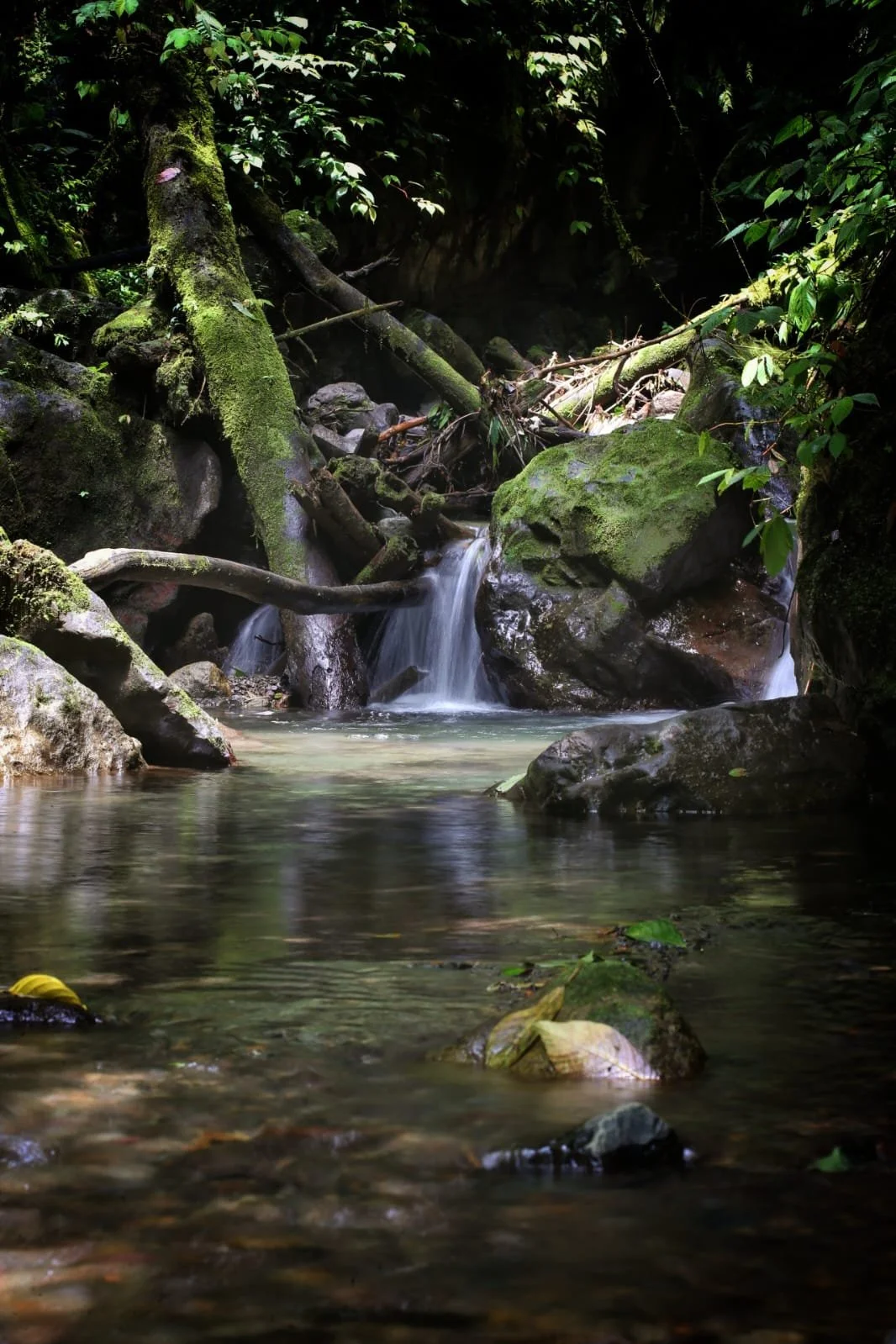
Because the rain strips away certain illusions and reveals the islands more honestly. The Caribbean becomes wilder, moodier, more dramatic, and somehow more real. Tourist crowds are often smaller. Prices can be lower. The jungle feels fully alive. Waterfalls surge with power. Stormy sunsets create incredible colors. The islands feel less polished and more authentic.
Rain also intensifies the feeling of tropical isolation that makes Bocas so unique in the first place. During major storms, the outside world almost disappears entirely behind curtains of rain and fog. Time slows down. Plans become irrelevant. Nature takes control.
And there is something strangely freeing about that.
One of the ultimate secrets to surviving rainy season in Bocas is psychological flexibility. Travelers who require perfect weather every day often become frustrated. Those willing to embrace unpredictability usually end up having incredible experiences. Tropical travel is rarely about controlling conditions completely. It is about adapting to them.
And honestly, some of the best memories in Bocas happen during storms anyway.
People remember dancing barefoot during warm tropical rain, watching lightning over the Caribbean from hostel docks, sharing rum while thunder shakes the building, swimming during downpours because they are already soaked anyway, or lying in hammocks listening to jungle rain late into the night.
The storms become part of the story.
In the end, rainy season in Bocas del Toro is not something you simply survive. If you approach it correctly, it becomes something you experience fully. Messy, humid, loud, muddy, beautiful, chaotic, exhausting, unforgettable tropical weather that reminds you nature still has the power to completely reshape daily life.
And once you have experienced a true Caribbean downpour in Bocas, ordinary rain never quite feels the same again.