
Traveling in Panama with a family is genuinely rewarding, but it is not a perfectly polished “theme park” style destination. The honest truth is that Panama is very family friendly in experience, but not always family engineered in infrastructure. That distinction matters a lot. Families who expect convenience, predictability, and fully controlled environments may sometimes feel challenged. Families who are flexible, curious, and comfortable adapting to local conditions often find it one of the most diverse and memorable countries in the region.
At the center of most family travel is Panama City, and this is where the contrast becomes obvious. On one hand, the city is modern, relatively easy to navigate in tourist and business districts, and offers malls, restaurants, parks, museums, and short day trips that make logistics manageable. You can find supermarkets with imported goods, pharmacies, hospitals with international standards, and neighborhoods where walking and Uber style transport are straightforward. For families, this creates a sense of stability that is important when traveling in a new country.
On the other hand, Panama City is still a real Latin American capital, not a resort bubble. Traffic can be intense, sidewalks are inconsistent in some areas, and urban design is not always pedestrian friendly. Families quickly learn that moving around requires planning. Short distances can take longer than expected, especially during rush hours, and spontaneous walking exploration is not always practical in every neighborhood. This is not unsafe in a dramatic sense, but it does require awareness and adjustment.
Outside the city, Panama becomes much more relaxed, but also more variable. Coastal and rural areas often feel easier, slower, and more natural, but they come with less infrastructure. In beach regions like Bocas del Toro or San Blas, or even mainland coastal towns, the environment is often the main attraction rather than built amenities. That means families may enjoy calmer lifestyles, but also need to adapt to simpler transport, fewer structured services, and more reliance on local logistics like boats, dirt roads, or limited public transport.
One of the strongest positives of family travel in Panama is natural diversity in short distances. In a single trip, families can experience Caribbean lagoons, Pacific beaches, rainforest hikes, mountain towns, and urban skylines without crossing an entire continent. This makes it extremely rewarding for children who like variety. A child might swim in calm turquoise water one day and see monkeys or waterfalls the next. That kind of range is rare in most destinations.
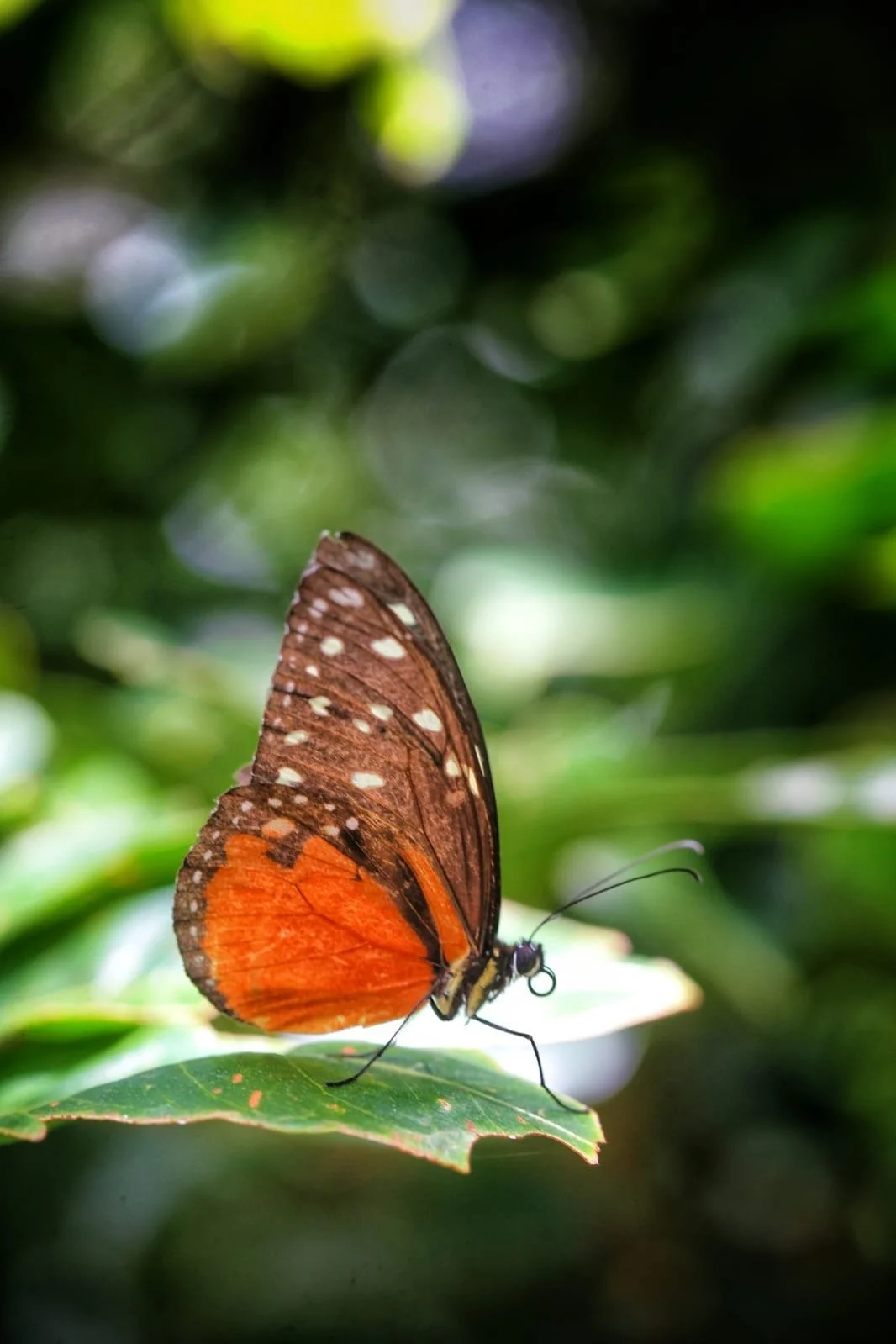
Nature is one of Panama’s biggest advantages for families. Wildlife is accessible without needing extreme expeditions. Monkeys, birds, sloths, butterflies, and tropical forests are often within reachable day trips or short stays. National parks and protected areas are relatively easy to access compared to many countries with similar biodiversity. For children, this creates a very interactive travel experience where nature feels close rather than distant.
However, there are also real challenges. One of the biggest is infrastructure inconsistency. While Panama City is modern, rural and coastal areas vary widely in road quality, signage, and service availability. Some beaches and attractions require long drives on uneven roads. Some areas have limited medical facilities nearby. Families who travel outside main tourist corridors need to plan more carefully than they might in more “package tourism” countries.
Another challenge is weather and environment management. Panama is tropical, which means heat, humidity, and sudden rain are part of daily life depending on the season. For families with young children, this can affect energy levels, planning, and comfort. Mosquitoes and other small insects are also part of outdoor experiences, especially near water or jungle edges. These are not usually dangerous in a severe sense, but they do require preparation like repellent, light clothing, and flexible scheduling.
Transportation is another mixed factor. Domestic travel is possible by car, bus, and boat, but it is not always streamlined for tourists. Long-distance buses exist and are affordable, but they may not always align with family comfort expectations. Renting a car can offer more freedom in some regions, but driving conditions vary and require confidence in local road behavior, especially outside the city.
Safety is often a major concern for families considering Panama, and the honest picture is nuanced. In general, tourist areas, residential zones, and most natural destinations are commonly visited by families without issue. However, like any country, urban awareness is important, especially in unfamiliar neighborhoods. Most challenges travelers encounter are related to petty theft or situational awareness rather than high risk scenarios, and they are largely manageable with common sense precautions such as avoiding isolated areas at night and keeping belongings secure.
One of the most underrated positives is how child friendly daily life can feel socially. Panamanians are often welcoming toward children, and family presence is very common in public spaces. Restaurants, parks, beaches, and social environments often include multigenerational families rather than strictly adult oriented spaces. This creates a comfortable atmosphere where children are generally accepted in most environments without feeling out of place.
Food is another strong advantage. Families can find everything from simple local meals like rice, chicken, plantains, and fresh fruit to international cuisine in urban centers. Supermarkets are well stocked in cities, which makes it easier for families managing dietary needs or picky eaters.
So what is the honest conclusion?
Panama is not a perfectly curated family resort destination, but it is a highly rewarding, naturally rich, and diverse family travel country.
It is best suited for families who:
Enjoy nature and outdoor exploration
Are comfortable with some unpredictability
Like variety rather than single resort experiences
Can adapt between modern city life and simple rural settings
It is less ideal for families who:
Expect fully standardized tourism infrastructure everywhere
Want highly controlled, resort style travel at all times
Prefer predictable transport and tightly organized environments
In the end, traveling in Panama with family is a balance. You get modern comfort in key areas, raw nature just beyond them, and constant contrast between developed and natural worlds. That combination can feel chaotic at times, but it is also what makes the experience memorable.
For many families, Panama does not become a perfectly smooth vacation. Instead, it becomes a series of moments, calm lagoons, rainforest encounters, city exploration, and long beach days, stitched together by adaptability. And for the right kind of traveler, that mix is exactly what makes it special.