
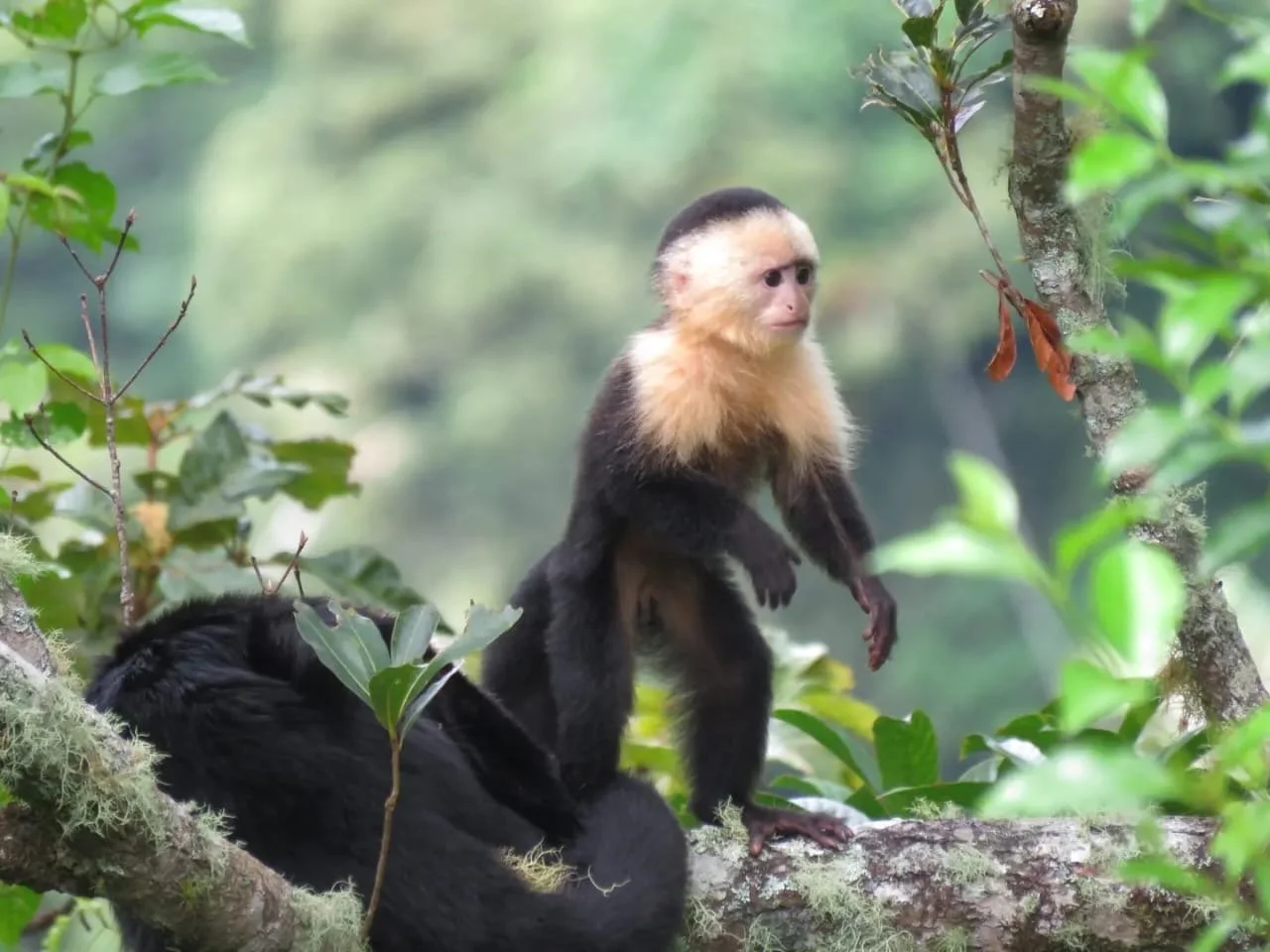
Exploring the wild landscapes of Panama can feel like stepping into a living encyclopedia of biodiversity. Birds call from the canopy, insects glow at night, frogs hide along streams, and plants twist and climb in every direction. The challenge is not finding wildlife, it is understanding what you are looking at. This is where iNaturalist becomes an incredibly powerful tool. For anyone interested in more than just birds, it transforms every hike, walk, or jungle stay into an interactive learning experience.
At its core, iNaturalist is designed to help people identify and record all forms of life, not just one group. In a country as biologically dense as Panama, this matters. You might be walking through forest near Boquete and come across a strange fungus glowing faintly on a log, or a brilliantly colored insect that you have never seen before. Without guidance, these moments can be fleeting curiosities. With iNaturalist, they become opportunities to learn. You simply take a photo, upload it, and the app suggests possible identifications using a combination of artificial intelligence and community input.
One of the biggest strengths of iNaturalist in Panama is how well it handles the unknown. Panama is filled with species that even experienced travelers cannot easily recognize. Unlike traditional field guides, which require you to already have some idea of what you are looking for, iNaturalist starts from zero. It meets you where you are, whether you are identifying a bird, a frog, a beetle, or even a tree. Over time, as other users and experts review your observation, the identification becomes more refined and accurate. This collaborative approach turns every sighting into part of a larger scientific conversation.
In immersive locations such as Lost and Found Hostel, iNaturalist becomes especially valuable. Surrounded by cloud forest, you are constantly encountering life in all forms, not just the obvious ones. You might notice a tiny frog on a leaf, a strange caterpillar on a branch, or bioluminescent fungus glowing faintly after dark. With iNaturalist, these discoveries do not end with a quick glance. They become documented observations that you can revisit, learn from, and even share with others. It adds depth to the experience, turning casual exploration into something more meaningful.
Another major advantage of iNaturalist is how it builds awareness of ecosystems. Instead of focusing only on large or colorful species, it encourages you to notice everything. You begin to pay attention to patterns, relationships, and details that you might otherwise overlook. In Panama, where biodiversity operates at every level, from towering trees to microscopic organisms, this shift in perspective can completely change how you experience nature. A simple walk becomes a slow, observant process where every step has the potential to reveal something new.
The app also acts as a personal logbook. Each observation you upload is saved, creating a record of your encounters over time. In a place where you might see dozens of new species in a single day, this becomes incredibly useful. Instead of forgetting what you saw, you build a digital collection of your experiences. Looking back through your observations can be just as rewarding as the moment of discovery itself, especially when identifications are confirmed or expanded by the community.
Community is another key part of what makes iNaturalist so effective. You are not relying solely on your own knowledge. Experts, enthusiasts, and locals can all contribute to identifying and discussing observations. In a biodiverse country like Panama, where many species are unfamiliar to visitors, this shared knowledge is invaluable. It creates a sense that you are part of something larger, contributing to a global understanding of biodiversity while also benefiting from it.
iNaturalist is also particularly useful for night exploration, which is one of the most fascinating aspects of Panama’s wildlife. After dark, the forest comes alive with creatures that are rarely seen during the day. Frogs call from hidden pools, insects glow or shimmer under light, and nocturnal animals move quietly through the vegetation. Identifying these species on your own can be nearly impossible, but with iNaturalist, even a simple photo taken with a phone can lead to an accurate identification later. It extends your ability to learn beyond the moment, allowing you to reflect and discover after the experience.
Even in more relaxed destinations like Bocas del Toro, where the focus might be beaches and ocean views, iNaturalist adds another layer to your surroundings. Coastal ecosystems, mangroves, and even urban gardens are full of life waiting to be noticed. The app encourages curiosity, turning downtime into exploration without requiring any special effort.
Ultimately, what makes iNaturalist so powerful in Panama is that it changes how you see the world. Instead of walking past countless unknown organisms, you begin to recognize patterns, names, and relationships. The forest becomes less mysterious in a confusing way and more fascinating in an understandable way.
It does not replace the sense of wonder that comes with exploring nature. It deepens it. Every plant, insect, amphibian, and bird becomes part of a larger story, one that you can engage with directly. In a place as alive and complex as Panama, that kind of connection turns a simple trip into a rich, ongoing discovery.