
Packing for Panama is less about bringing everything you might need and more about understanding what you actually will use. The classic advice, take double the money and half of what you thought you needed, holds especially true here. Panama’s tropical climate, high humidity, and laid back lifestyle make overpacking one of the most common mistakes travelers make. At the same time, having a bit of extra financial flexibility can completely change your experience for the better, giving you room to adapt, explore, and avoid unnecessary stress.
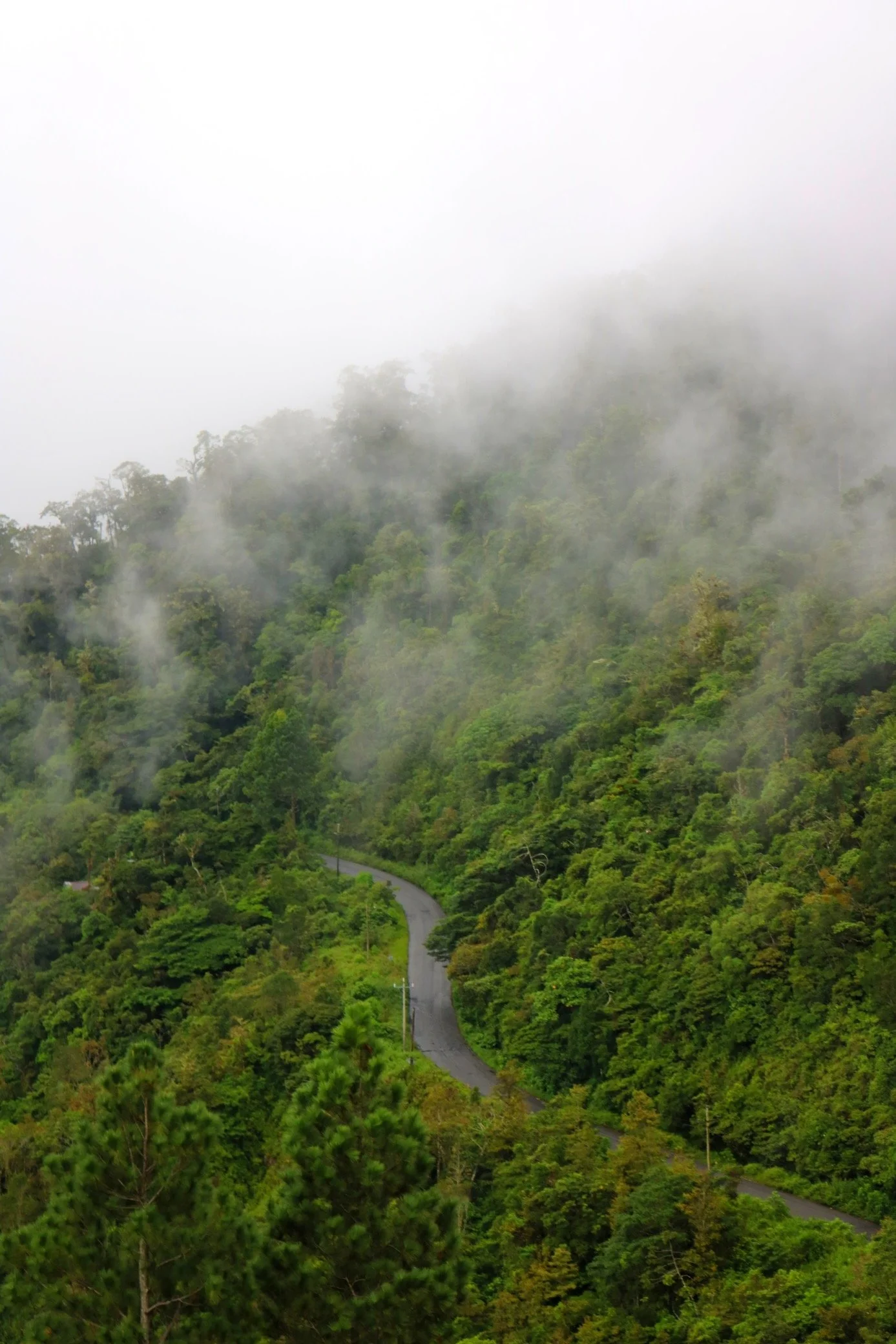
The first thing to understand is that Panama is hot, humid, and often wet. This immediately changes what you should bring. Heavy clothing, bulky gear, and “just in case” items quickly become a burden. Lightweight, breathable clothing is your best friend. A small rotation of quick drying shirts, a couple pairs of shorts, and maybe one pair of light pants for cooler evenings or jungle hikes will cover nearly every situation. You will likely wear the same comfortable outfits over and over again, and that is completely normal here. Laundry is cheap and widely available, so there is no need to pack a week’s worth of clothing.
Footwear is one area where smart choices really matter. A good pair of lightweight sport shoes or trail runners will take you almost everywhere, from city streets in Panama City to muddy trails and boat docks in Bocas del Toro. Unless you are planning serious mountain trekking, leave the heavy hiking boots at home. They are difficult to keep dry in Panama’s humidity, they take up a lot of space, and once wet they can stay damp for days. Many experienced travelers quickly realize they brought too much shoe and not enough practicality. A simple pair of sandals or flip flops is also essential for beaches, hostels, and everyday use.
Rain is part of life in Panama, especially outside the dry season, so a lightweight rain jacket or poncho is far more useful than an umbrella. Umbrellas are awkward in wind, boats, and narrow streets, while a compact rain layer keeps your hands free and packs down easily. A dry bag or waterproof pouch is one of the smartest items you can bring, especially if your trip includes islands, boats, or jungle areas. Keeping your phone, passport, and electronics dry in a sudden downpour or rough boat ride can save you a lot of trouble.
When it comes to gear, simplicity wins every time. A small to medium backpack is ideal, something you can carry comfortably on buses, boats, and short walks. Overly large suitcases quickly become frustrating on uneven sidewalks, in crowded transport, and when moving frequently. A reusable water bottle is important in the heat, and a microfiber towel is incredibly useful since it dries quickly and takes up almost no space. Electronics should be kept to a minimum, and humidity protection is key, so silica gel packs or sealed bags can make a difference.
Now to the second half of that travel saying, money. Panama is not the cheapest country in Central America. While it is still possible to backpack on a budget, costs can add up, especially in popular destinations or tourist heavy areas. Having extra money gives you flexibility, which is often more valuable than any item you could pack. It allows you to stay longer in places you enjoy, take advantage of last minute opportunities, or simply avoid cutting your trip short because of unexpected expenses. Cash is widely used, especially in smaller towns, so carrying small bills is very helpful.
That said, there are plenty of ways to save money while backpacking in Panama if you are mindful. Choosing hostels over hotels is one of the easiest ways to cut costs, and many hostels offer kitchens where you can cook your own meals. Eating at local fondas instead of tourist restaurants can dramatically reduce food expenses while also giving you a more authentic experience. Public buses are extremely cheap compared to shuttles or private transport, and while they may take a bit longer, they are part of the adventure. Traveling in the shoulder season can also save money on accommodation while avoiding the biggest crowds.
Another smart way to save is to avoid overpacking in the first place. The less you carry, the easier and cheaper it is to move around. You will not need to pay for extra luggage, and you will avoid the temptation to bring unnecessary items that you rarely use. Many things can be bought locally if needed, often at reasonable prices, so there is no need to prepare for every possible scenario. In fact, many travelers find that they use only a small portion of what they initially packed.
Health and comfort items should be practical but minimal. Sunscreen is essential in a country so close to the equator, and insect repellent is important in coastal and jungle regions. A small basic first aid kit is useful, but there is no need to overdo it since pharmacies are easy to find. Toiletries can be kept simple and replenished along the way. One often overlooked tip is to bring a small amount of detergent or a travel laundry soap, which makes it easy to wash clothes on the go and reduce how much you need to carry.
Packing less also changes how you experience Panama. You move more freely, you stress less about your belongings, and you adapt more easily to changing plans. Whether you are hopping between islands, exploring mountain towns, or navigating busy city streets, having a lighter load makes everything simpler. It also encourages a mindset that fits Panama well, relaxed, flexible, and open to the unexpected.
In the end, the key to packing for Panama is not about being perfectly prepared for every situation. It is about being prepared enough while leaving room for spontaneity. Bring the essentials, skip the excess, invest in practical items like good sport shoes instead of bulky gear, and give yourself a financial cushion that allows you to enjoy the journey without worry. Panama rewards travelers who keep things simple, and the less you carry, the more you will be able to experience.