
Global warming is often discussed in abstract terms, melting ice caps, rising global temperatures, distant disasters, but in Panama, climate change is not distant at all. It is something that is increasingly visible in everyday life, in weather patterns, in coastal ecosystems, in agriculture, and even in urban planning in places like Panama City.
Because Panama sits in a tropical zone and connects the Atlantic and Pacific Oceans through the Panama Canal, it is especially sensitive to changes in temperature, rainfall, and sea levels. It is also a country with long coastlines on both oceans, dense rainforest regions, and heavily dependent ecosystems, which makes it particularly vulnerable to environmental shifts.
One of the most noticeable effects of global warming in Panama is changing rainfall patterns. Panama has traditionally had a predictable tropical climate, with a wet season and a dry season. However, in recent years, those patterns have become less stable. Rainy seasons can start later, end earlier, or become more intense and concentrated. This creates challenges for agriculture, water management, and infrastructure.
In some years, rainfall becomes unusually heavy, leading to localized flooding in urban areas, especially in low-lying parts of Panama City and surrounding districts. Drainage systems in fast-growing urban environments can become overwhelmed during extreme rainfall events, highlighting the stress that climate change places on city infrastructure.
At the same time, periods of drought have also become more noticeable. These dry spells can affect freshwater availability, agricultural production, and even the operation of the Panama Canal, which depends on freshwater reservoirs to function. Reduced rainfall in watershed areas can lower water levels, which in turn impacts shipping capacity and global trade flow through one of the most important maritime routes in the world.
Sea level rise is another major concern for Panama. With long coastlines along both the Caribbean and Pacific, rising sea levels threaten coastal ecosystems, beaches, and low-lying communities. Areas with mangroves, sandy beaches, and small island settlements are especially vulnerable.
On the Caribbean side, island communities inhabited by Indigenous groups such as the Guna people are already experiencing the effects of rising seas. Some low-lying islands are becoming less stable, and in certain cases, discussions about relocation have already begun. These are not future projections, they are current realities unfolding gradually over time.
Coastal erosion is also affecting tourism zones and natural habitats. Beaches may change shape, shrink, or shift seasonally, and coastal vegetation systems like mangroves face stress from both rising seas and changing salinity levels. Mangroves are especially important because they act as natural buffers against storms and protect coastal biodiversity, so their health is directly tied to climate resilience.
Temperature changes, while less extreme in Panama compared to temperate regions, are still noticeable. Even small increases in average temperature can have significant effects in tropical ecosystems. Higher temperatures can influence animal behavior, plant growth cycles, and the spread of certain insects and diseases.
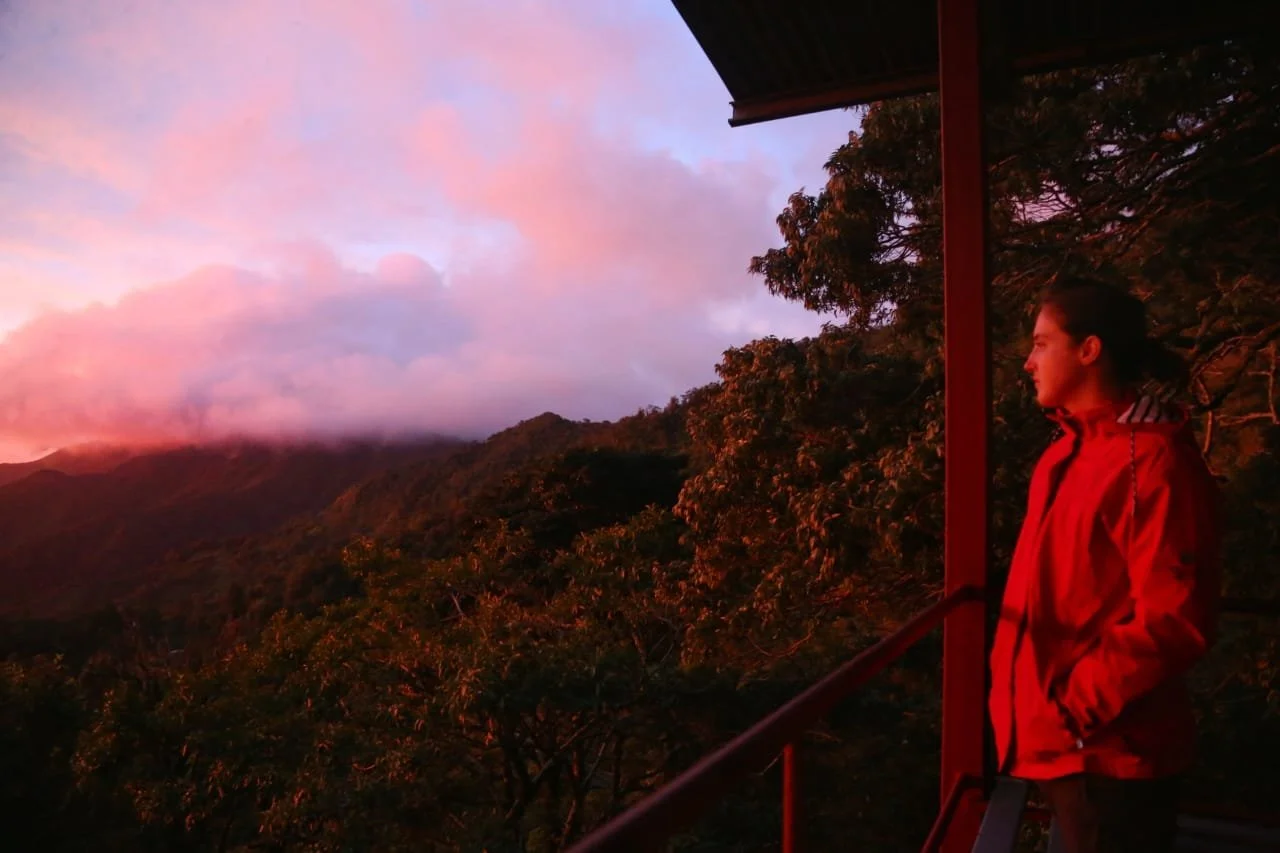
In forested regions, including rainforests and cloud forests, climate shifts can alter delicate ecological balances. Species that depend on specific temperature and humidity ranges may be forced to move to higher elevations or more suitable habitats. In places like western Panama near Boquete, cloud forest ecosystems are particularly sensitive because they rely on consistent mist and humidity conditions.
Biodiversity in Panama is extremely rich, and this makes it both resilient and vulnerable at the same time. While ecosystems have many species that can adapt, they also include highly specialized organisms that depend on narrow environmental conditions. Even small changes in temperature or rainfall can ripple through food chains and habitat structures.
Agriculture is another area where global warming is becoming increasingly relevant. Crops such as coffee, bananas, rice, and tropical fruits are all sensitive to rainfall and temperature conditions. Coffee production, especially in highland areas, depends heavily on stable cloud cover, temperature ranges, and seasonal rainfall. Changes in these patterns can affect yield, quality, and long-term sustainability.
Farmers in rural areas are increasingly adapting by changing planting schedules, experimenting with more resilient crop varieties, and adjusting water management practices. However, these adaptations are not always easy, especially for small-scale farmers with limited resources.
Urban areas like Panama City are also adapting to climate-related challenges. City planners are increasingly focused on improving drainage systems, managing coastal development, and preparing for extreme weather events. As a rapidly growing metropolitan area, the city must balance expansion with environmental resilience.
Heat island effects are also becoming more relevant in urban zones. As buildings, roads, and concrete surfaces expand, they absorb and retain more heat, making certain parts of the city warmer than surrounding natural areas. This can increase energy demand for cooling and affect comfort levels in densely populated districts.
Despite these challenges, Panama also plays an important global role in climate solutions. Large portions of the country are still forested, and these forests act as significant carbon sinks, absorbing carbon dioxide from the atmosphere. Conservation efforts and protected areas help preserve biodiversity and contribute to global climate stability.
National parks and protected regions, including rainforest reserves and marine conservation zones, are critical for maintaining ecological balance. These areas not only protect wildlife but also help regulate water cycles and stabilize local climates.
Another important factor is Panama’s role in global shipping. The Panama Canal connects oceans and significantly reduces travel distances for global trade. As a result, any climate-related disruption to water levels or infrastructure has implications far beyond the country itself, affecting international supply chains and shipping efficiency worldwide.
Overall, global warming in Panama is not a single issue but a network of interconnected changes affecting water, land, ecosystems, cities, and economies simultaneously. It influences everything from rural farming communities to global maritime trade routes.
What makes Panama especially important in the climate conversation is that it sits at the intersection of so many systems at once, oceanic, atmospheric, ecological, and economic. Changes here are both locally visible and globally significant.
And while Panama is still rich in biodiversity, forest cover, and natural resilience, the ongoing effects of climate change make it clear that adaptation and environmental planning will be essential for the country’s future.