
For travelers dreaming about turquoise water, palm trees, tropical islands, beach bungalows, and life near the ocean, two destinations consistently capture the imagination in very different parts of the world, Panama and Thailand.
At first glance, they seem like they should offer similar experiences. Both countries have tropical climates, warm seas, famous islands, backpacker culture, surf towns or beach towns, and postcard-worthy coastlines. Both attract travelers searching for escape, adventure, romance, diving, island hopping, and slower lifestyles near the ocean.
But once somebody actually spends time on the beaches in both countries, something fascinating becomes obvious very quickly.
Panama and Thailand feel emotionally, visually, and culturally completely different.
They are not interchangeable tropical paradises.
They represent two entirely different versions of beach life.
And interestingly, the “better” destination depends enormously on what kind of experience somebody is searching for.
Thailand feels cinematic, social, and highly developed for tourism. Panama feels wilder, quieter, and more connected to raw nature.
Thailand often feels like a tropical machine designed to maximize traveler comfort and stimulation. Panama often feels like discovering fragments of tropical paradise that somehow escaped large-scale global tourism.
Neither experience is automatically superior.
But they feel radically different.
One of the biggest differences travelers immediately notice is the scale of tourism.
Thailand is one of the most visited countries in the world, and its beach infrastructure reflects decades of massive international tourism. Places like Phuket, Koh Phi Phi, Krabi, and Koh Samui have evolved into highly organized tourism ecosystems filled with resorts, ferries, beach bars, hostels, dive shops, longtail boats, nightlife streets, tour agencies, convenience stores, massage shops, smoothie stands, and endless streams of travelers from around the globe.
For many people, this infrastructure is exactly what makes Thailand so easy and addictive.
You can arrive almost anywhere in Thailand’s beach regions with very little planning and quickly find affordable accommodation, transportation, tours, restaurants, nightlife, laundry services, scooter rentals, and backpacker communities. The country has spent decades refining itself into one of the easiest tropical destinations on Earth for independent travelers.
Panama feels completely different.
Outside of a few better-known areas like Bocas del Toro and parts of San Blas Islands, many beaches in Panama still feel relatively undeveloped compared to Southeast Asia. Even popular beach towns often remain small, rough around the edges, and deeply connected to surrounding nature.
This creates one of Panama’s greatest strengths.
Many beaches in Panama still genuinely feel discovered rather than manufactured.
Travelers often encounter long stretches of coastline with almost no development, minimal crowds, and rainforest extending directly to the ocean. Some beaches require boats, jungle roads, hiking trails, or long drives to reach. Infrastructure can feel inconsistent or improvised, but that roughness is part of the atmosphere many travelers fall in love with.
Thailand’s beaches often feel curated.
Panama’s beaches often feel untamed.
Another enormous difference is the surrounding geography and vegetation.
Thailand’s famous beach regions often feature dramatic limestone cliffs, karst islands, jungle-covered mountains, and calm turquoise bays. Beaches there can feel visually theatrical and photogenic in an almost surreal way. Places like Railay Beach near Krabi sometimes look so impossibly beautiful that they resemble movie sets more than real landscapes.
Panama’s beauty feels different.
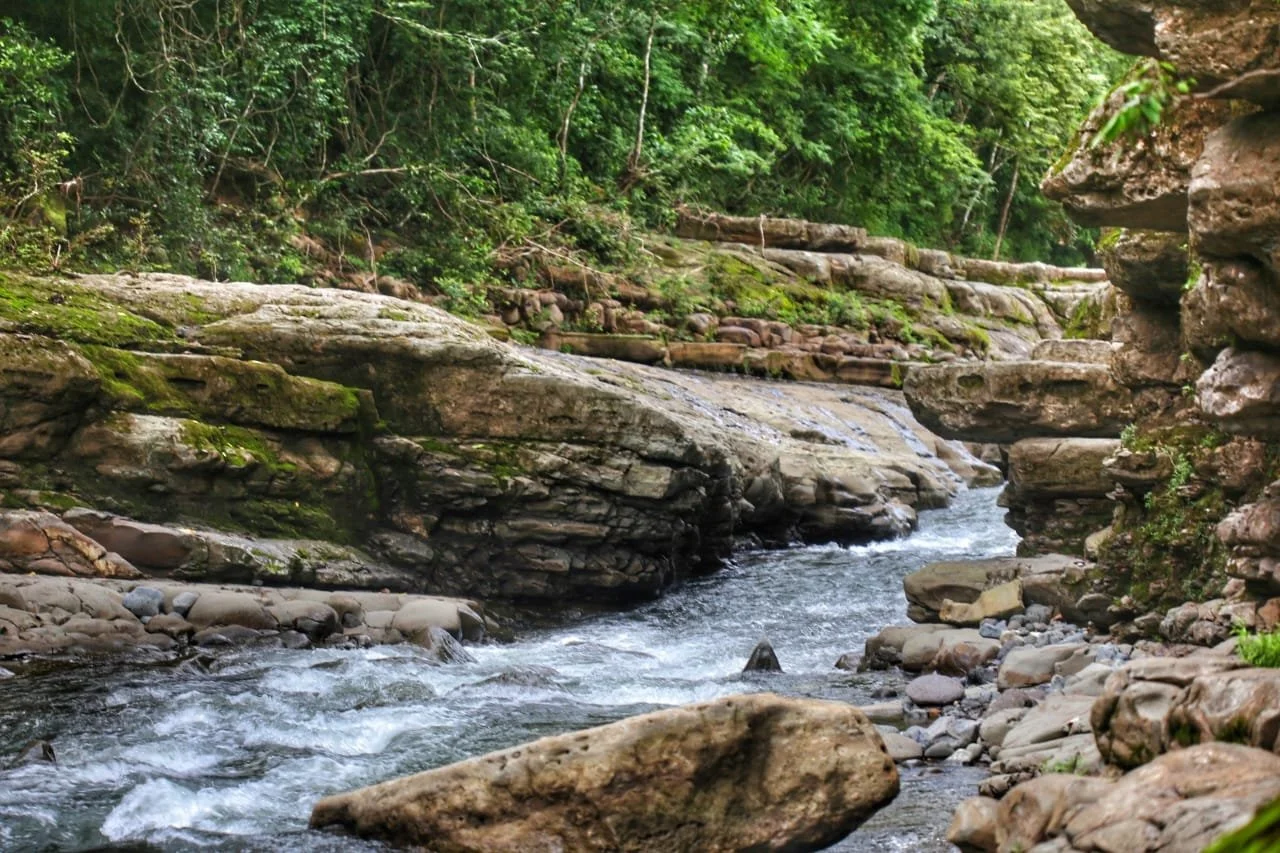
The country’s coastlines often feel denser, greener, darker, and more biologically alive. Rainforest frequently presses directly against the beaches, creating a stronger sense of immersion in tropical wilderness. Mangroves, thick jungle, monkeys, sloths, tropical birds, and heavy humid forests shape the atmosphere constantly.
Thailand often feels visually polished.
Panama often feels ecologically overwhelming.
One of the most fascinating differences involves the emotional atmosphere of the beaches themselves.
Thailand’s beach culture is intensely social. Travelers from every corner of the world move continuously between islands, parties, hostels, diving schools, yoga retreats, beach bars, and night markets. On many Thai islands, it is extremely easy to meet people constantly.
This creates an exciting energy that many younger travelers absolutely love.
A backpacker arriving alone in Thailand can quickly find:
Social hostels
Pub crawls
Group tours
Beach parties
Diving communities
Coworking spaces
Romantic opportunities
International friend groups
The social ease of Thailand is one reason so many travelers become emotionally attached to it.
Panama’s beach culture feels more fragmented and quieter.
Outside of specific backpacker hubs like Bocas del Toro, Panama’s beaches often feel much less socially intense. Travelers sometimes spend entire days exploring remote coastlines with very few other people around. The experience can feel more introspective, adventurous, and nature-focused rather than socially nonstop.
For some travelers, this becomes magical.
For others, especially younger backpackers seeking constant social stimulation, Panama can feel isolated compared to Southeast Asia.
The ocean itself also feels very different between the two countries.
Thailand’s most famous beaches often feature calmer water ideal for swimming, snorkeling, kayaking, and boat excursions. Many beaches are protected by bays and islands, creating postcard-like turquoise lagoons with gentle surf.
Panama varies dramatically because it touches both the Pacific Ocean and the Caribbean Sea.
The Caribbean side, especially around Bocas del Toro and San Blas, sometimes resembles the calmer tropical waters travelers associate with Thailand. But the Pacific coast introduces a completely different energy. Places like Santa Catalina, Playa Venao, and the Pacific beaches near Cambutal often feature stronger waves, darker sand, dramatic surf, and wilder ocean conditions.
Panama is fundamentally more of a surf destination than Thailand.
Thailand has surfing in some areas, but globally it is much more associated with island hopping, diving, beach relaxation, and nightlife than serious surf culture.
Panama’s Pacific beaches attract surfers from around the world because of consistent waves and relatively uncrowded surf breaks.
This creates another emotional distinction.
Thailand often feels smooth, easy, and vacation-oriented.
Panama often feels adventurous and physically connected to nature.
Wildlife is another area where Panama feels extraordinary.
Thailand certainly has tropical wildlife, but Panama’s biodiversity feels more immediate and overwhelming. On Panamanian beaches, it is common to hear howler monkeys in the jungle, spot sloths near coastal trails, see scarlet macaws flying overhead, or watch sea turtles nesting during the right seasons.
Some Panamanian beaches feel less like “beach resorts” and more like tiny openings carved into massive tropical ecosystems.
The sense of wildness remains stronger.
Food creates another fascinating contrast.
Thailand is arguably one of the greatest food destinations on Earth. Even small beach towns often contain astonishingly good street food, seafood, curries, noodles, tropical fruit shakes, and night markets at extremely affordable prices.
Many travelers become obsessed with Thai food within days.
Panama’s coastal food culture feels much simpler and less internationally celebrated. Caribbean areas feature coconut rice, fried fish, patacones, seafood stews, and Afro-Caribbean influences, while Pacific regions often focus on grilled seafood and local dishes.
The food can be excellent, especially fresh seafood, but Panama does not produce the same universally addictive culinary reaction Thailand often creates.
Cost is another major difference.
Thailand still generally offers better value for budget travelers. Backpackers can often travel through Thailand remarkably cheaply while still accessing decent accommodation, transportation, and food infrastructure.
Panama tends to be significantly more expensive overall, especially transportation between remote beach areas and islands. Boats, domestic flights, water taxis, and imported goods increase costs quickly.
This surprises many travelers who assume Central America will automatically be cheaper than Southeast Asia.
Accommodation styles also reflect broader cultural differences.
Thailand excels at polished tourism infrastructure across every price level. Travelers can find everything from luxury cliffside resorts to stylish boutique hostels and bamboo beach bungalows extremely easily.
Panama’s accommodations often feel more rustic, improvised, eco-oriented, or locally run. Jungle lodges, surf camps, simple beachfront cabins, and small eco-hotels dominate many coastal areas.
Again, some travelers adore this authenticity while others miss Thailand’s smoother tourism machine.
Transportation may be the single biggest practical difference.
Thailand is astonishingly easy to navigate. Ferries, buses, trains, domestic flights, and tourism infrastructure connect beach destinations with remarkable efficiency.
Panama’s geography creates far more logistical complexity. Jungle terrain, mountains, islands, and limited infrastructure mean reaching certain beaches can require multiple buses, boats, domestic flights, rough roads, or long travel days.
This difficulty preserves Panama’s wildness but also makes travel slower and less convenient.
Interestingly, these differences also attract different types of travelers psychologically.
Thailand often attracts:
First-time backpackers
Social travelers
Digital nomads
Party travelers
Food lovers
People seeking convenience and stimulation
Panama often attracts:
Nature lovers
Surfers
Wildlife enthusiasts
Adventure travelers
People wanting quieter experiences
Travelers seeking less-touristed destinations
Neither type is inherently better.
They simply satisfy different emotional desires.
Another fascinating difference is the sense of discovery.
Thailand’s beaches are globally famous. Millions of travelers already know what places like Maya Bay or Phuket look like before arriving.
Panama still feels relatively undiscovered internationally.
Many travelers arrive with almost no clear expectations and leave shocked by how beautiful the country actually is. Some beaches in Panama still genuinely feel like secrets compared to the global tourism machine surrounding Thailand.
And perhaps that is the deepest emotional contrast between them.
Thailand often feels perfected.
Panama often feels unexplored.
Thailand gives travelers comfort, social energy, ease, and polished tropical tourism.
Panama gives travelers wildness, mystery, ecological intensity, and the feeling that parts of the country still belong more to nature than to tourism itself.
Ultimately, the choice between Panama and Thailand says a lot about what kind of tropical experience somebody is truly searching for.
Some people want beach life with infrastructure, social excitement, endless food options, nightlife, and easy movement between islands.
Others want jungle meeting ocean, emptier beaches, raw nature, surf culture, wildlife, and the feeling of stumbling into paradise rather than booking it.
And fascinatingly, many travelers eventually realize they do not actually prefer one over the other.
They simply visit them for completely different reasons.