
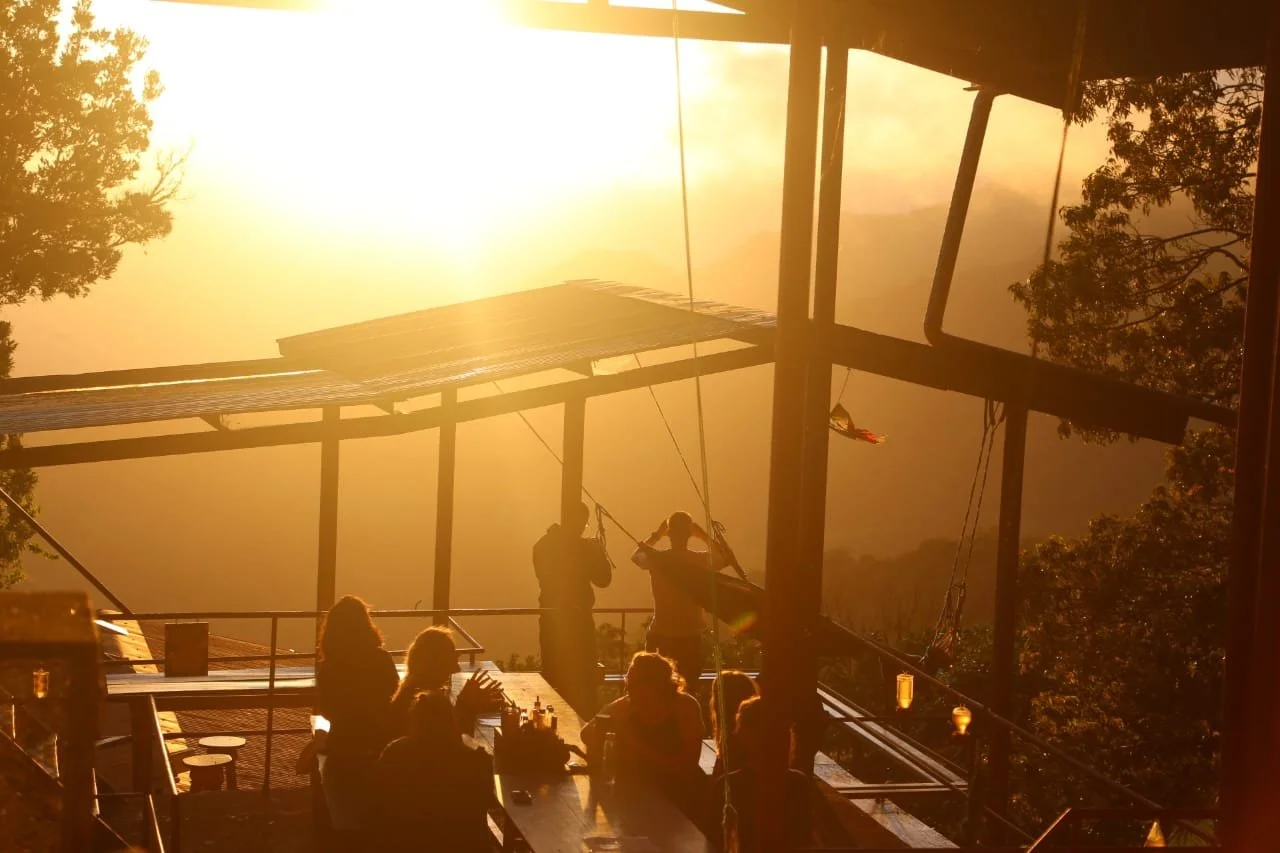
For many travelers arriving in Panama, the country initially feels relaxed, tropical, and relatively easygoing. Backpackers move between beach towns, surf camps, mountain villages, and islands. Expats settle into apartment towers in Panama City. Travelers drink beers on Caribbean beaches, wander colonial streets, hike through cloud forests, and take overnight buses across the country.
Compared to some countries with visibly strict enforcement or highly rigid public behavior, Panama can sometimes appear informal and flexible on the surface.
But one thing many visitors eventually discover is that beneath the laid-back tropical atmosphere, Panama also has certain laws, regulations, and social rules that can surprise foreigners enormously.
Some are legal rules that tourists accidentally violate without realizing it.
Others are cultural expectations that are not technically laws but can still create serious problems if ignored.
And because many travelers arrive with a “vacation mindset,” they sometimes underestimate how quickly ordinary tourist behavior can cross into legal trouble abroad.
One of the most important things visitors should understand about Panama is that the country takes certain issues far more seriously than some travelers expect, especially drugs, immigration status, police interactions, environmental protection, and financial documentation.
At the same time, there are also smaller, unexpected laws and customs that can feel surprising or even bizarre to foreigners.
One of the biggest shocks for many backpackers is how seriously Panama treats drug offenses.
Some travelers arrive from places where marijuana laws have become relaxed or socially normalized and mistakenly assume Panama operates similarly. It does not.
Even relatively small amounts of illegal drugs can create major legal problems in Panama. Police, airport authorities, and border officials take drug enforcement seriously, especially because Panama’s geographic position has made it strategically important in international trafficking routes for decades.
Foreigners are not given special leniency simply because they are tourists.
Backpackers sometimes make the mistake of assuming that casual beach-town drug use will be overlooked because the environment feels relaxed and international. But arrests absolutely happen, and legal situations involving drugs can become extremely unpleasant very quickly.
This surprises many younger travelers who mentally associate tropical destinations with permissive party culture.
Another thing that surprises visitors is the importance of carrying identification.
Technically, foreigners in Panama are generally expected to carry valid identification and proof of legal status. Many tourists carry a passport copy while leaving the original secured in accommodations, though practices vary. Police occasionally conduct checks, especially in transportation hubs, nightlife areas, or during security operations.
Many backpackers coming from countries where police rarely interact with tourists are caught off guard by how normal police presence can feel in parts of Panama.
Panama is not a police state, but law enforcement visibility is higher than some travelers expect, particularly in urban areas.
One thing visitors quickly notice is that arguing aggressively with police is usually a terrible idea.
In some countries, confrontational attitudes toward police are culturally common. In Panama, being openly disrespectful, combative, or arrogant during police interactions can escalate situations unnecessarily fast. Calmness, politeness, and cooperation generally work far better.
Another surprising issue involves overstaying visas or tourist entry periods.
Many backpackers mentally treat immigration limits casually, especially if they have spent time in regions where border runs and informal overstays are common. Panama, however, has become increasingly serious about immigration enforcement in recent years.
Overstaying can result in fines, complications at airports, future entry issues, or difficult immigration situations later on.
Travelers sometimes incorrectly assume they can simply “sort it out later.” That mindset can become expensive.
Another area that surprises some visitors is environmental protection.
Panama possesses extraordinary biodiversity and many ecologically sensitive regions. Certain protected areas, marine parks, islands, reefs, and Indigenous territories operate under strict regulations. Removing coral, disturbing wildlife, damaging reefs, littering protected zones, or ignoring environmental rules can create legal trouble.
Some travelers underestimate this because tropical environments can feel informal and undeveloped. But Panama takes many conservation issues seriously, especially in protected tourist regions.
This becomes especially important in places like:
Coiba National Park
Bocas del Toro
San Blas Islands
Soberanía National Park
Visitors sometimes assume seashells, coral fragments, tropical animals, or natural objects are harmless souvenirs. In some situations, removing them may violate environmental regulations.
Another surprising topic involves photography.
Many travelers today photograph everything constantly without thinking twice. But certain government buildings, police facilities, border zones, ports, airports, and infrastructure areas may be sensitive to photography. Taking pictures around police or security personnel can sometimes create uncomfortable interactions, especially if authorities believe critical infrastructure is being documented.
Most tourists never encounter problems, but awareness matters.
Drones create another rapidly growing issue. Many travelers now carry drones for beach footage, jungle videos, and travel photography. However, drone use in Panama may be restricted around airports, urban zones, government areas, or protected parks. Tourists sometimes fly drones casually without realizing they may be violating regulations or disturbing protected wildlife.
Another thing that surprises foreigners is alcohol-related laws and behavior expectations.
Panama certainly has nightlife, bars, clubs, and party environments. But public drunkenness that becomes disorderly or disruptive can attract police attention much faster than some travelers expect. Backpackers sometimes assume tropical destinations tolerate unlimited chaotic tourist behavior. In reality, loud intoxicated behavior in public can create serious problems, especially outside tourist-heavy party zones.
Driving creates another major shock for many visitors.
Traffic laws in Panama can feel chaotic to foreigners, but legal consequences still exist. Tourists sometimes assume driving standards are loose because traffic appears aggressive or disorganized. However, accidents involving injuries, alcohol, or documentation problems can become legally complicated very quickly.
Motorcycles and ATVs deserve special mention because many travelers rent them casually in beach towns and islands. Helmets, licensing, and road rules are not optional simply because the environment feels relaxed.
Some visitors are also surprised by laws and attitudes surrounding Indigenous territories.
Regions such as Guna Yala operate with significant Indigenous autonomy and cultural authority. Visitors entering these areas are expected to respect local regulations, fees, photography rules, and cultural customs. Some travelers mistakenly treat Indigenous communities as open tourist attractions rather than functioning societies with their own governance systems.
Photography in Indigenous communities especially requires sensitivity. Tourists sometimes aggressively photograph local people, children, or traditional clothing without permission, assuming it is harmless travel photography. Many communities strongly dislike this behavior.
Another thing that surprises foreigners is how financial scrutiny sometimes appears unexpectedly.
Panama has long functioned as an international financial center, and because of this, banking and financial regulations can feel stricter than backpackers expect. Large cash movements, suspicious transfers, or unclear financial activity may attract attention more quickly than travelers anticipate.
Even opening bank accounts as foreigners can involve extensive documentation.
For ordinary tourists this rarely matters much, but long-term travelers and expats often become surprised by the amount of paperwork involved in financial matters.
One law that shocks some visitors is the restriction on insulting national symbols.
Like many countries, Panama takes its flag, anthem, and national identity seriously. Public disrespect toward national symbols can create legal and social backlash. Most travelers would never intentionally do this, but drunken tourist behavior occasionally crosses lines locals view very differently.
Another surprising reality for backpackers is that many tropical-looking beaches and islands are not automatically public free-for-all spaces. Private property rights exist strongly in Panama. Travelers wandering through resorts, docks, gated areas, or private islands without permission may accidentally trespass.
Beach access itself can sometimes become confusing because while many beaches are technically public, routes crossing private land may not be.
Camping creates another area of confusion. Some backpackers assume they can camp freely almost anywhere beautiful and remote. In reality, camping on private land, protected areas, or beaches without permission can create problems.
Fishing and marine laws can also surprise adventurous travelers. Certain fish species, lobster harvesting, spear fishing, and marine extraction activities may be regulated seasonally or geographically. Visitors participating in fishing tours or diving trips usually rely on guides who understand local regulations, but independent travelers sometimes unknowingly violate rules.
Another major misunderstanding involves the Darién region.
The Darién Gap has become internationally famous because of migration routes, dense jungle, and stories of lawlessness. Some adventurous travelers become fascinated by the idea of exploring it independently.
This is a very bad idea.
Certain border regions and jungle areas involve serious security, environmental, and logistical risks. Travelers occasionally underestimate how remote and dangerous some areas truly are because they consume travel content online that romanticizes extreme adventure.
Panama’s nightlife culture also creates certain misunderstandings. Prostitution itself exists in legal gray areas, but activities involving exploitation, trafficking, or underage individuals are treated extremely seriously. Foreigners sometimes wrongly assume tourist status protects them from consequences related to illegal behavior in nightlife environments.
Another thing many travelers find surprising is how seriously noise complaints and neighbor conflicts can sometimes escalate in urban apartment buildings. Panama City’s high-rise lifestyle means thousands of people live in dense towers with strict building rules. Loud parties, unauthorized Airbnb use, pet violations, or disruptive behavior may quickly involve building administration or police.
Backpackers moving into long-term rentals sometimes underestimate how formal some residential environments can be.
One subtle but important cultural rule involves respect and personal presentation.
Panama is not as culturally informal as some travelers expect. In many environments, especially banks, government offices, nicer restaurants, and professional settings, appearance and politeness matter significantly. Showing up shirtless, intoxicated, or visibly disrespectful in the wrong context can create stronger reactions than tourists anticipate.
One fascinating contradiction about Panama is that while the country often feels relaxed socially, its legal system can still become very serious once certain boundaries are crossed.
This mismatch creates many traveler misunderstandings.
A beach town may feel carefree and international until someone encounters immigration authorities, police enforcement, environmental rules, or legal bureaucracy.
And suddenly the reality of being a foreigner in another country becomes very clear.
Ultimately, Panama is generally a very safe and welcoming country for travelers who behave responsibly, remain aware of local laws, and avoid reckless assumptions.
Most tourists never experience any legal problems whatsoever.
But the travelers who do get into trouble are often not hardened criminals. Many are ordinary backpackers who:
Assumed rules would not be enforced
Thought tropical destinations operate casually
Underestimated immigration laws
Treated police disrespectfully
Ignored environmental protections
Became careless with drugs or alcohol
Forgot they were guests in another country
The fascinating thing about travel is that every country contains invisible rules that locals understand instinctively but foreigners often miss entirely.
And learning those hidden rules is part of understanding a place beyond its beaches, postcards, and tourist attractions.