
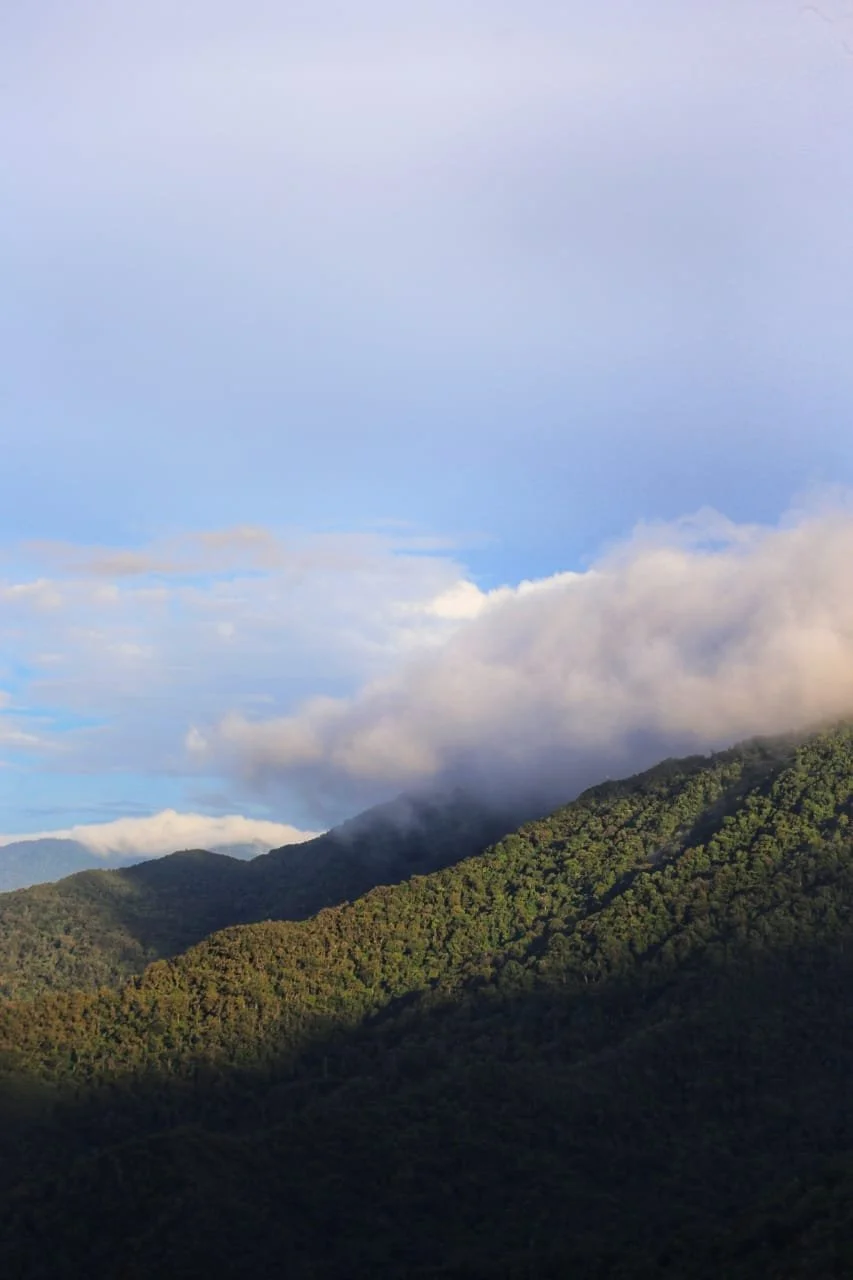
Traveling through Panama feels like moving through multiple worlds in a single day. One moment you are in the glass-and-concrete skyline of Panama City, the next you are on a ferry to an island, and a few hours later you might be in misty highlands or deep green jungle valleys. Through all of that movement, one invisible thing quietly determines how smooth your trip feels: your mobile network.
Unlike some countries where choosing a SIM card is a complicated technical decision, Panama is refreshingly simple. There are really only two major players that matter for travellers: +Móvil and Tigo. Everything else is minor in comparison.
And the interesting part is that both work well, but they behave differently depending on where you are.
The two networks that actually matter
If Panama’s mobile coverage had a personality, +Móvil would be the “reliable road trip companion.” It is the network most people trust when they leave the city. It tends to have the widest reach across highways, rural areas, small towns, and coastal zones. If you are bouncing between destinations, especially outside major urban centers, this is usually the safest choice.
Tigo, on the other hand, feels more like the “urban fast lane” network. In cities like Panama City, it performs extremely well. Fast data, strong signal, smooth streaming, and excellent coverage in dense neighborhoods. It is widely used and very competitive in populated areas, but in some remote regions it can be slightly less consistent than +Móvil.
In reality, most travellers will never notice a dramatic difference in cities. The distinction only becomes obvious once you start moving into less populated regions, where mountains, forests, and distance from towers start to matter more than speed.
What buying a SIM actually feels like in Panama
One of the pleasant surprises for travellers is how low-friction the whole process is. You do not need paperwork, appointments, or complicated registration steps. You simply walk into a shop, a supermarket, a mobile store, or even a small corner kiosk and buy a prepaid SIM card on the spot.
At the airport, you will also see SIM cards available immediately after landing. These are convenient, especially if you want instant internet for maps or transport, but they are usually priced a bit higher than what you will find in the city.
Most travellers do something very simple: they grab a SIM quickly, insert it, and within minutes they are online.
Installation is almost boringly easy (which is a good thing)
Once you have the SIM, setup is refreshingly simple. You turn off your phone, insert the SIM card, turn it back on, and in most cases it just works. Signal appears, data activates, and you are connected without needing any complicated configuration.
Occasionally your phone may require a quick restart or automatic network selection adjustment, but there is no real technical barrier here. It is designed to be plug-and-play.
How data actually works (and why it feels different from home)
In Panama, mobile data is almost always prepaid and flexible. Instead of long contracts, you buy bundles that fit your usage style. That could be daily packages for short trips, weekly bundles for backpackers, or monthly plans if you are staying longer.
The system is intentionally simple. You load credit onto your SIM and then convert that credit into a data package.
There are three main ways this happens:
One is through USSD menus, where you dial a code and a text-based menu appears on your phone. From there you can check balance, buy data, or switch plans.
Another is through mobile apps from the carriers. Once installed, these apps let you manage everything in a more visual and modern way, from buying data to tracking usage.
The third, and still very common in everyday life, is physical top-ups. You walk into a supermarket, pharmacy, or small shop, give them your number, and they add credit instantly. It feels surprisingly informal, but it works extremely well.
What you actually get for your money
One of the nice surprises for travellers is that mobile data in Panama is relatively affordable compared to many parts of North America or Europe. You can usually find reasonably priced bundles that cover maps, messaging apps, browsing, and even moderate streaming.
Short-term visitors often rely on small bundles that last a few days, while longer stays are better served by weekly or monthly packages.
For most backpackers, the combination of WiFi in hostels and mobile data for navigation is more than enough.
Why coverage matters more than speed here
Panama is a country where geography plays a huge role in connectivity. You can move from a dense city with skyscrapers to rainforest valleys or island chains in a matter of hours. Because of that, the biggest issue is not speed, it is consistency.
This is where +Móvil tends to stand out. It simply reaches more places reliably, especially when roads get long and towns get small.
Tigo shines in dense environments where infrastructure is concentrated, making it excellent for urban stays and digital work in cities.
The airport SIM temptation
At the airport, everything is designed for convenience. You can buy a SIM immediately and be online within minutes of landing. For many travellers, especially those arriving late or needing directions quickly, this is worth it.
But there is a trade-off. Prices are often higher than what you will find just a short ride into the city. Once you settle in, you will usually see more competitive offers and better bundle options in regular shops.
A simple traveller strategy that works almost everywhere
Most experienced travellers in Panama end up following a very simple formula:
If you are staying mostly in cities and working from cafés, either network is fine.
If you are moving around the country, especially toward beaches, rural areas, or mountains, +Móvil becomes the safer choice.
And if your phone supports it, combining a local SIM with an eSIM or keeping a second SIM active gives you backup connectivity, which can be surprisingly useful when moving between regions.
The quiet truth about staying connected in Panama
What makes mobile connectivity in Panama interesting is not complexity, but invisibility. Once you are set up, you stop thinking about it. It just works in the background while you move between islands, buses, hostels, and cities.
And in a country where one day can include skyscrapers, jungle roads, and ocean crossings, having that invisible layer of connection quietly holding everything together makes travel feel much smoother than you expect.
In the end, choosing a SIM in Panama is less about technical decisions and more about travel style.
Fast-moving explorer, or city-based digital traveller.
Either way, the country is already wired to keep you online.