
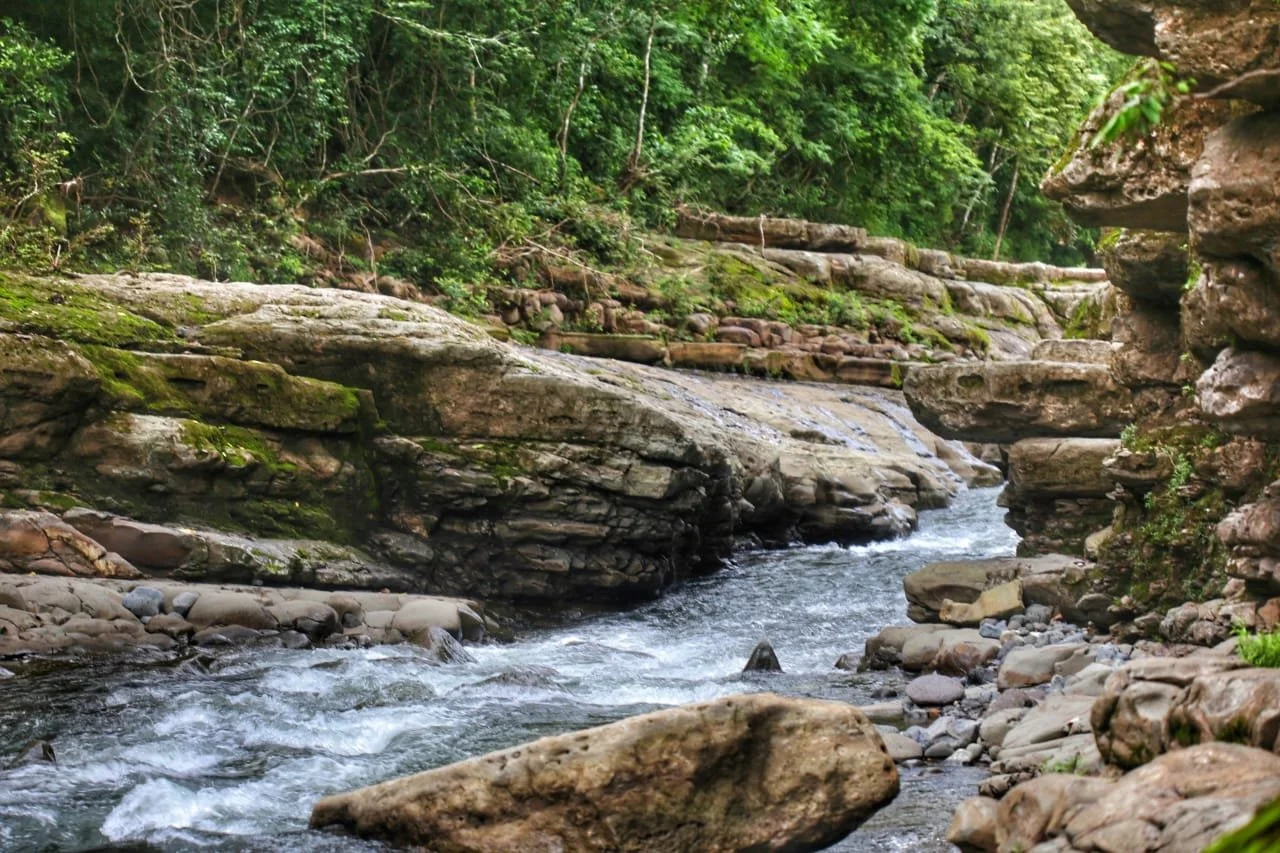
Over the last twenty years, Panama has quietly transformed into one of the most exciting surf destinations in Central America. While neighboring countries like Costa Rica and Nicaragua became globally famous for surfing much earlier, Panama remained slightly under the radar for years. That hidden reputation is actually part of what makes the country so appealing today. Surfers who come to Panama often discover something that feels less crowded, more adventurous, and in many ways more authentic than some of the region’s heavily developed surf scenes.
One of the most fascinating things about surfing in Panama is the incredible diversity of environments. The country has coastlines on both the Pacific Ocean and the Caribbean Sea, each with completely different wave patterns, climates, landscapes, and surf cultures. On the Pacific side, long sandy beaches and consistent swells attract surfers from around the world. On the Caribbean side, tropical islands and reef breaks create a completely different atmosphere where surfers travel by boat between jungle-covered islands searching for waves.
As Panama’s surf reputation has grown, surf camps have become one of the most popular ways for travelers to experience the country. These camps range from backpacker-style hostels with lessons and board rentals to luxury beachfront resorts offering coaching, yoga, video analysis, healthy meals, and guided surf trips. Some focus entirely on beginners learning how to stand on a board for the first time, while others cater to intermediate and advanced surfers chasing bigger and more technical waves.
What makes surf camps so appealing is that they simplify everything. Transportation, accommodation, meals, lessons, equipment, and local knowledge are often bundled together into one experience. For solo travelers especially, surf camps can also become highly social environments where people quickly form friendships through shared surf sessions, sunset beers, yoga classes, and beach bonfires.
Panama now has several major surf regions, but three places dominate the surf camp scene: Playa Venao, Santa Catalina, and Bocas del Toro.
Playa Venao: Panama’s Surf Capital
If there is one place that has become the center of Panama’s surf culture, it is Playa Venao.
Located on the Azuero Peninsula several hours southwest of Panama City, Playa Venao has evolved from a quiet fishing area into one of the most famous surf towns in Central America. Despite its growing popularity, the beach still feels relatively remote and surrounded by nature. Jungle-covered hills, palm trees, beach bars, surf hostels, boutique hotels, and beachfront cafés line the bay, creating a laid-back atmosphere that many travelers instantly fall in love with.
One reason Playa Venao became such a major surf destination is because it offers consistent waves almost year-round. Unlike some surf towns where conditions are highly seasonal, Venao regularly produces surfable waves for beginners, intermediates, and experienced surfers alike. The beach break is generally forgiving enough for people learning while still providing enough power and variety for stronger surfers.
Many travelers describe Playa Venao as having a “surf town energy” that is difficult to explain until you experience it yourself. People wake up before sunrise to check the waves, spend the day surfing or relaxing in hammocks, and gather in beachfront bars and restaurants at night. The entire rhythm of the town revolves around tides, swell forecasts, and surf conditions.
One of the best-known surf camps in the area is Beach Break Surf Camp. The camp has become one of the flagship surf experiences in Panama and offers structured packages that include accommodation, coaching, unlimited board rentals, breakfasts, and video analysis. According to current package listings, five-day all-inclusive packages can range roughly from $1,300–$1,800 depending on room type, while seven-day packages often range from about $1,700–$2,200.
Many travelers choose dorm options to reduce costs. Dorm-style surf camp packages are usually significantly cheaper than private beachfront rooms.
Another respected option in Playa Venao is Venao Surf School, which focuses heavily on coaching and surf progression. Smaller schools like Trico Surf School Playa Venao and Surf Factory - Academy & Surf Center have also gained strong reputations among travelers looking for a more personalized experience.
Meanwhile, Kahuna Venao Surf & Wellness Camp combines surfing with yoga and wellness-focused retreats, reflecting how surf culture in Panama increasingly overlaps with health and lifestyle tourism.
Surf camps in Playa Venao usually include:
Accommodation
Daily surf lessons
Surfboard rentals
Surf coaching
Video analysis
Breakfast
Sometimes yoga or fitness classes
Occasionally transportation from Panama City
Budget travelers can sometimes organize their own cheaper DIY surf experience by staying in hostels and booking lessons separately. However, many people still choose camps because of the convenience, social environment, and coaching structure.
Discussions on Reddit show that some travelers debate whether organized surf camps are worth the higher prices compared to arranging everything independently. Some users noted that Playa Venao can feel expensive compared to other surf destinations in Central America.
Still, many surfers argue that the atmosphere, surf quality, coaching, and community justify the cost.
Santa Catalina: Rugged, Remote, and Legendary
If Playa Venao feels like Panama’s polished surf capital, Santa Catalina feels much more rugged and adventurous.
Originally a tiny fishing village, Santa Catalina became internationally famous because of its powerful point break and proximity to Coiba National Park. Unlike the relatively social and developed atmosphere of Playa Venao, Santa Catalina still feels remote and somewhat wild. Dirt roads, simple hostels, fishing boats, and jungle scenery create an atmosphere that attracts travelers looking for a more raw surf experience.
The surf here can be outstanding, especially for experienced surfers. Some travelers describe Santa Catalina’s waves as among the best they have ever surfed.
However, Santa Catalina is generally less beginner-friendly than Playa Venao. Conditions can become powerful and tide-sensitive, meaning the timing of sessions is very important.
One of the best-known surf accommodations is Rancho Estero, located near Playa Estero, a more beginner-friendly beach compared to Santa Catalina’s famous main break.
Another major option is Oasis Surf Camp, which combines accommodation, surf lessons, and social hostel energy. Yoga-focused experiences are also growing in the area through places like Waluaa Surf & Yoga.
Smaller schools such as Radical Sloth Surf School and Los Arrieros Surf School cater to travelers looking for more local and personalized experiences.
Santa Catalina surf camp prices are often slightly cheaper than Playa Venao, although luxury options exist here as well. Budget travelers can usually find:
Hostel beds from roughly $15–$35 per night
Basic surf lessons around $30–$50
Weekly packages often ranging from roughly $400–$900 depending on accommodation and included services
The atmosphere in Santa Catalina is very different from Venao. Nights are quieter, internet can be slower, and the entire town feels more isolated from modern life. For some travelers, that remoteness becomes the main attraction.
Bocas del Toro: Caribbean Surf Paradise
On the Caribbean side of Panama lies one of the country’s most visually stunning regions: Bocas del Toro.
Unlike the Pacific surf towns, Bocas is an island archipelago filled with tropical jungle, colorful Caribbean culture, boats, mangroves, coral reefs, and island villages. Surfing here feels completely different from surfing on Panama’s Pacific coast.
Instead of driving between beaches, surfers often travel by boat to reach breaks scattered across islands and reefs. The scenery can be breathtaking — jungle-covered islands, crystal-clear water, dolphins, and palm trees surrounding powerful Caribbean waves.
Bocas has a reputation for producing excellent surf during the Caribbean swell season, particularly between December and March. During the Pacific rainy season, however, the Caribbean side can become much calmer.
Surf camps here tend to feel more tropical and adventurous. One well-known option is The Experience Surf Camp Panama - Bocas del Toro, which offers guided surf experiences around the islands.
Other respected surf schools include Bocas Surf Academy, Mono Loco Surf School, and Bocas Del Toro Surfing.
Many travelers stay at island hostels or eco-lodges and organize surf lessons separately. Others prefer more structured surf camp packages that include boat transport to surf spots, accommodation, coaching, and equipment.
Prices in Bocas vary enormously depending on season and accommodation quality. Some surf packages start around $500–$700 per week for basic setups, while upscale boutique surf retreats can cost much more.
One thing many surfers love about Bocas is the atmosphere outside of surfing. The islands have vibrant nightlife, reggae bars, Caribbean food, snorkeling, diving, jungle hikes, and boat excursions. Surfing becomes only one part of the broader tropical island experience.
Typical Surf Camp Prices in Panama
Prices vary dramatically depending on:
Season
Accommodation quality
Private vs dorm rooms
Number of lessons
Included meals
Transportation
Luxury amenities
Generally speaking:
Budget Backpacker Style
$15–$35 hostel beds
$30–$50 lessons
DIY weekly surf trips around $300–$700
Mid-Range Surf Camps
Shared rooms
Daily coaching
Board rentals
Breakfast included
Usually around $800–$1,500 per week
Higher-End Surf Resorts
Private beachfront rooms
Multiple meals included
Airport transfers
Video analysis
Wellness activities
Roughly $1,500–$3,000+ per week depending on luxury level
When Is the Best Time to Surf in Panama?
Panama’s two coastlines create different surf seasons.
The Pacific side — especially Playa Venao and Santa Catalina — generally works best between April and October when southern swells become more consistent.
The Caribbean side around Bocas del Toro tends to shine more during northern hemisphere winter months, especially December through March.
One reason Panama attracts surfers year-round is because when one coast is slower, the other may still have waves.
The Lifestyle Around Surf Camps
What makes surf camps memorable is often not just the surfing itself, but the lifestyle surrounding it.
People wake before sunrise checking swell forecasts and tides. Mornings are spent paddling through warm tropical water while pelicans dive nearby. Afternoons might involve hammocks, yoga, smoothie bowls, beach volleyball, or naps under palm trees. Evenings often become social gatherings with music, beers, bonfires, and stories about the day’s waves.
Many solo travelers arrive at surf camps nervous about coming alone and leave with close friendships formed through shared adventures.
Surf camps also tend to attract highly international crowds. On any given night in Playa Venao or Bocas del Toro, you might meet travelers from Europe, Canada, Brazil, Australia, Israel, Colombia, Argentina, and beyond.
Why Panama Has Become a Surf Destination
What makes Panama so fascinating for surfers is the balance it offers.
It still feels more undiscovered than Costa Rica in many places.
It combines Pacific and Caribbean surf in one country.
It offers tropical scenery, wildlife, islands, mountains, and jungle.
And despite growing popularity, many surf spots still feel uncrowded compared to major international surf destinations.
For beginners, Panama offers warm water and supportive surf communities. For experienced surfers, it offers powerful reef breaks, long beach breaks, and the possibility of chasing swells across two oceans.
Whether someone wants luxury beachfront coaching in Playa Venao, rugged surf adventure in Santa Catalina, or tropical island surfing in Bocas del Toro, Panama now firmly belongs among the great surf destinations of the Americas.