
Most travelers arriving in Panama spend enormous amounts of time talking about Panama City, the skyscrapers, the canal, the nightlife, the rooftop bars, the traffic, the giant malls, and the modern skyline rising beside the Pacific Ocean. Then there’s Bocas del Toro with its backpackers, Caribbean water, reggae bars, and island chaos. Or Boquete with its cool mountain weather, coffee farms, waterfalls, and expat cafés.
But somewhere between all those famous destinations sits a city most travelers pass through without fully understanding.
David.
At first glance, David does not always impress people immediately. It is not a colonial postcard city full of dramatic architecture. It is not a beach paradise. It does not have giant nightlife districts or famous tourist landmarks. A lot of backpackers arrive briefly at the bus terminal, sleep one night, then continue toward Boquete or Costa Rica without thinking much about it afterward.
That is a mistake.
Because David is one of the most fascinating cities in Panama precisely because it is so real, so regional, so economically important, and so deeply tied to the identity of western Panama. The more time you spend there, the more you realize David is not trying to entertain tourists. It exists primarily for Panamanians themselves, and that gives the city an atmosphere many heavily touristed places have already lost.
David is the capital of Chiriquí Province, the agricultural powerhouse of Panama and one of the richest farming regions in all of Central America. The city sits relatively close to the Costa Rican border and acts as the commercial heart of western Panama. Almost everything in the surrounding region eventually passes through David somehow, vegetables, coffee, cattle, buses, cargo, construction materials, migrants, travelers, and trade.
Because of this, David feels busy in a practical way rather than a touristic way.
People are there because they work there.
The city wakes up early. Markets begin moving before sunrise. Delivery trucks rumble through the streets carrying produce from mountain farms. Businesses open quickly. Banks, repair shops, restaurants, pharmacies, agricultural suppliers, and transportation companies fill the city with constant motion. David often feels less like a tourist destination and more like the functioning engine room of western Panama.
One of the first things travelers notice is the heat.
A lot of people assume all of Chiriquí Province has cool mountain weather because they associate the region with Boquete. Then they arrive in David and immediately realize they were very wrong. David can feel brutally hot, especially during midday. The sun feels intense. Pavement radiates heat upward. The tropical air hangs heavy over the streets while traffic crawls through the city beneath blazing skies.
And yet despite the heat, the city never really slows down.
Part of what makes David interesting is how geographically strategic it is. It sits near the Pan-American Highway, meaning huge amounts of overland traffic pass through constantly. Travelers heading toward Costa Rica often stop in David. Cargo trucks move north and south through the region daily. Long distance buses connect the city with Panama City, Bocas del Toro, Santiago, and neighboring countries.
Because of this constant movement, David feels connected to the wider region in a way smaller Panamanian towns often do not.
The bus terminal itself tells a story about the city. It is not glamorous, but it is alive with activity at nearly all hours. Backpackers carrying giant backpacks sit beside local families, indigenous Ngäbe travelers, students, workers, and merchants transporting goods through the country. Food stalls sell empanadas, fried chicken, coffee, rice dishes, and sugary drinks while buses roar in and out carrying passengers across Panama.
For many travelers, David becomes the place where they first really see western Panama rather than just visiting tourist attractions.
One fascinating aspect of David is how deeply connected it is to agriculture. Chiriquí Province produces huge amounts of the food consumed throughout Panama. Vegetables, fruits, dairy products, coffee, and beef flow out of the surrounding region constantly. Drive outside the city and you quickly begin seeing enormous cattle pastures, vegetable farms, banana plantations, and rolling agricultural landscapes stretching toward the mountains.
This agricultural wealth shaped the city’s identity for generations.
David feels wealthier and more economically stable than many people expect because agriculture in Chiriquí has historically been extremely productive. Farmers from the region often became relatively prosperous compared to other rural areas of Panama. You can feel this economic strength in the city itself, modern shopping centers, car dealerships, banks, private clinics, and expanding residential neighborhoods all reflect a region with money moving through it.
The contrast between David and Panama City is fascinating too.
Panama City feels international, vertical, finance driven, and globally connected. David feels regional, grounded, practical, and deeply tied to the land around it. In Panama City, conversations revolve around banking, logistics, real estate, and international business. In David, conversations often revolve around weather, crops, cattle prices, transportation, local politics, and regional development.
And yet David is modernizing rapidly.
Over the last two decades, the city expanded enormously. Shopping malls appeared. International fast food chains arrived. Traffic increased dramatically. New apartment buildings and commercial developments spread outward across what was once quieter farmland. Some longtime residents complain the city lost part of its slower identity. Others see the growth as proof that western Panama is becoming more economically important every year.
One thing visitors often notice quickly is how different the pace of life feels compared to Panama City. David moves more slowly socially even while remaining economically active. People tend to appear more relaxed, more regional, and less rushed. The atmosphere feels less cosmopolitan and more traditionally Panamanian in many ways.
There is also a strong ranching culture throughout Chiriquí Province, and that identity spills into David itself. Cowboy hats, pickup trucks, cattle auctions, rodeos, and agricultural fairs remain deeply woven into regional life. During festivals and celebrations, the influence of rural traditions becomes especially visible.
The nearby Feria Internacional de David is one of the largest and most important fairs in Panama. Thousands of people flood into the city for livestock exhibitions, concerts, food stalls, carnival rides, business displays, rodeos, and agricultural competitions. During the fair, David transforms completely. Hotels fill up, streets become crowded, music blasts late into the night, and the city feels electrified with regional pride.
Food in David is another underrated part of the experience.
Because the surrounding region is so agriculturally rich, fresh ingredients are everywhere. Local restaurants often serve massive plates of grilled meat, rice, beans, fried plantains, soups, fresh cheese, and roasted chicken at prices far lower than travelers expect. The portions can feel enormous. Many roadside restaurants around David specialize in hearty meals designed for workers, truck drivers, and farmers rather than tourists looking for trendy dining experiences.
The fruit in western Panama also surprises many visitors. Pineapples, mangos, papayas, bananas, and citrus fruits often taste dramatically fresher and sweeter than what travelers are used to elsewhere.
Another fascinating detail about David is how it acts as a transition point between completely different environments. Drive north and you climb into cool volcanic mountains around Boquete and Cerro Punta. Head west and you approach Costa Rica. Go south and the landscape opens toward Pacific beaches and mangroves. Move east and you continue deeper into the Panamanian interior.
David sits in the middle of all these changing landscapes like a giant crossroads.
That geographic position helped shape its importance historically too. Long before modern highways existed, western Panama relied heavily on regional trade routes connecting agricultural communities and neighboring territories. David gradually emerged as the natural commercial center because of its location.
The city also has an interesting relationship with tourism. Unlike places built primarily around visitors, David remains overwhelmingly functional. Tourists are present, but they are not the center of the local economy. This creates a different atmosphere compared to heavily touristed destinations where everything feels designed around foreigners.
In David, life continues whether tourists arrive or not.
That gives the city a more authentic feeling many experienced travelers appreciate deeply after spending time in places overwhelmed by tourism infrastructure.
One thing backpackers often discover accidentally is that David can become strangely comfortable. At first the city may seem unremarkable compared to beach towns or mountain villages. But after several days, people begin appreciating the practical ease of life there. Cheap restaurants, reliable transportation, large supermarkets, comfortable hotels, shopping centers, and easy connections to the rest of the region make David surprisingly livable.
There is also something deeply interesting about seeing Panama outside the capital. Many travelers unknowingly assume Panama is mostly canal infrastructure and skyscrapers because that image dominates internationally. David reveals a completely different side of the country, one rooted in agriculture, ranching, regional identity, and provincial economic power.
Even the weather tells part of the story.
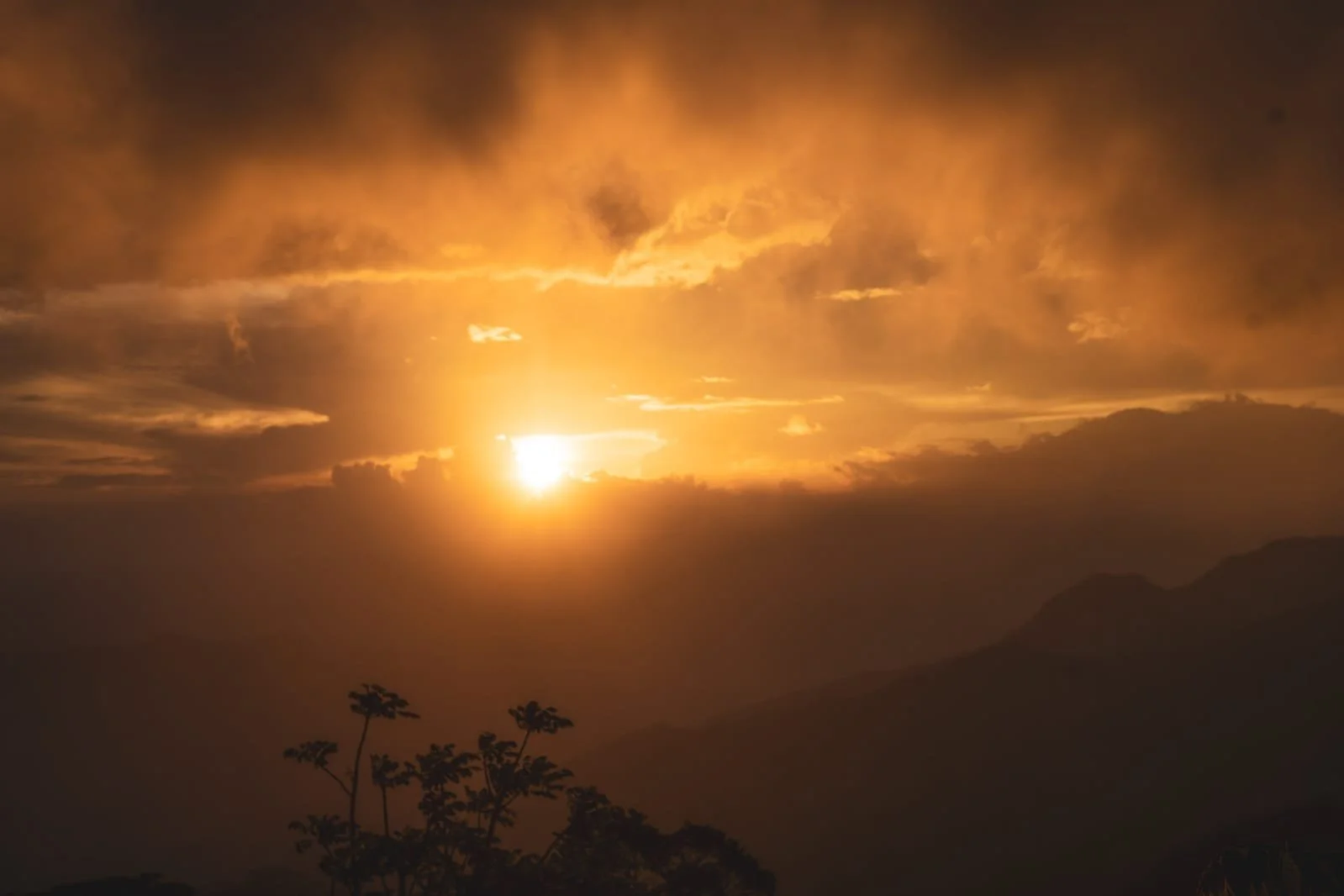
The dry season around David can feel intensely hot and dusty, with golden sunlight burning across open fields and highways. During the rainy season, dramatic tropical storms roll across the region in the afternoons, turning the sky nearly black before unleashing enormous downpours over the city. The surrounding mountains trap clouds and create constantly shifting weather patterns throughout Chiriquí Province.
At night, David changes character slightly. The brutal daytime heat softens. Families gather outside. Restaurants fill with people eating late dinners. Cars cruise slowly through the city while music drifts from bars and roadside businesses. It never feels as intensely energetic as Panama City nightlife, but there is still movement everywhere.
And perhaps that is ultimately what makes David fascinating.
It is not trying to impress you.
It is not performing tropical paradise for tourists.
It is not carefully packaged into some idealized travel fantasy.
Instead, David feels like the real western heart of Panama, hot, practical, hardworking, agricultural, expanding rapidly, and deeply connected to the land surrounding it.
The longer you stay, the more you realize that understanding David means understanding an enormous part of Panama most visitors barely notice while rushing toward the beaches and mountains.