
A lot of backpackers arrive in Panama planning to stay for a week or two and then accidentally end up staying for months because volunteering in Panama is surprisingly easy to find once you understand where to look.
And honestly, Panama is almost perfect for this kind of travel.
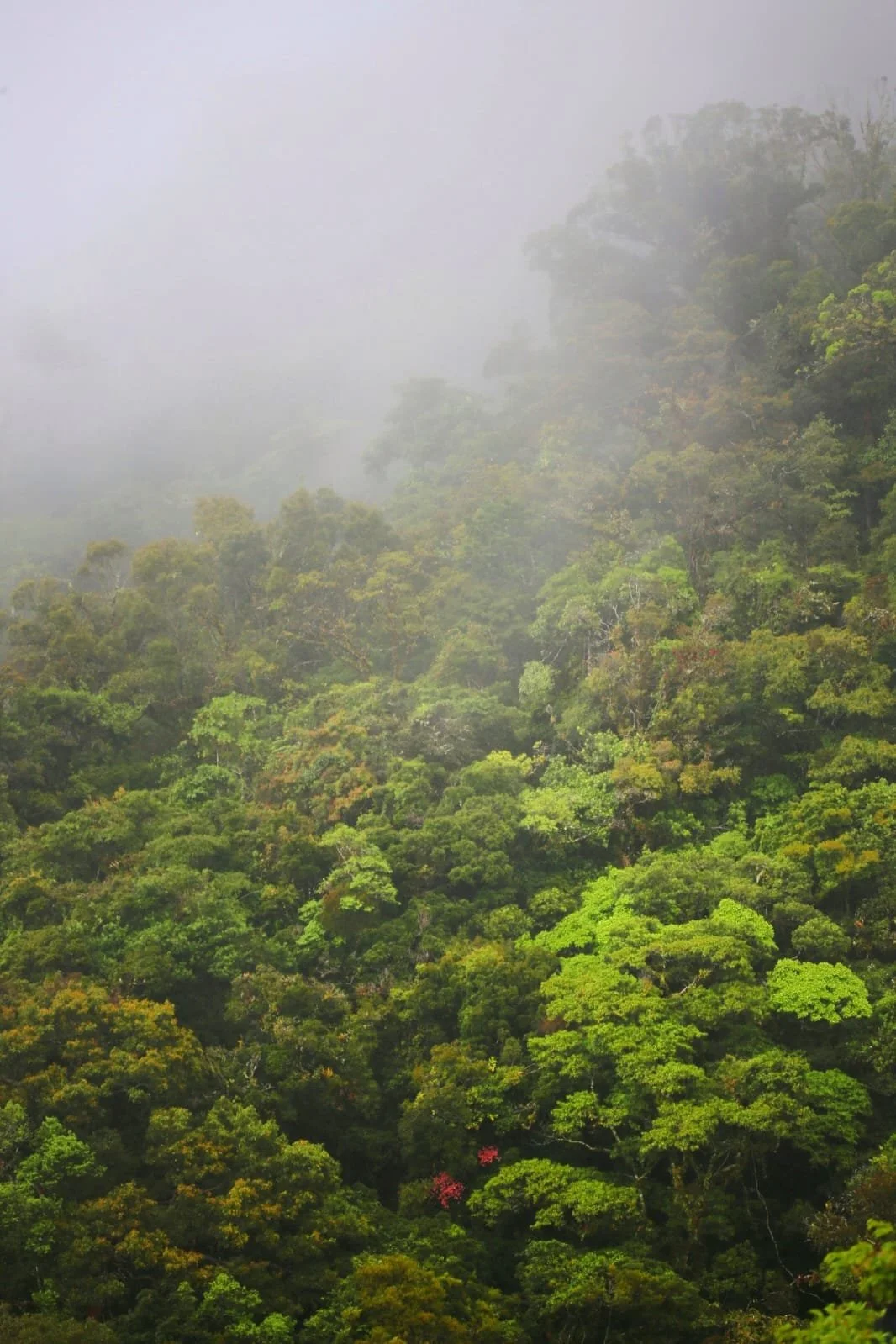
The country has beaches, islands, surf towns, cloud forests, jungle lodges, wildlife sanctuaries, eco hostels, coffee farms, Caribbean towns, and enough backpacker movement that there’s always some place needing extra help. Because Panama is relatively small and easy to move around, volunteers also end up hopping between completely different environments very quickly. One month you might be helping at a jungle hostel in the mountains around Boquete, and the next you’re working reception at a Caribbean hostel in Bocas del Toro.
The overall volunteer scene in Panama is not usually about earning money. It’s mostly based around work exchanges, meaning you work a certain number of hours per week in exchange for accommodation, meals, tours, language practice, or sometimes other perks like laundry or surfboard use. Reddit discussions about hostel volunteering mention that actual paid opportunities are uncommon and that most arrangements are work for accommodation exchanges instead.
But for backpackers trying to travel longer without burning through savings, it can completely change the experience of the country.
Instead of rushing through Panama in ten expensive days, people suddenly stay for months because their daily costs drop massively once accommodation is covered.
And Panama honestly has a huge variety of volunteer opportunities compared to what many travelers expect.
Hostel Volunteering, The Most Common Backpacker Route
The easiest volunteer jobs to find in Panama are definitely at hostels, eco lodges, and backpacker accommodations. Places around Bocas del Toro, Santa Catalina, Boquete, Portobelo, and Panama City regularly look for travelers willing to help with reception, social media, bar shifts, cleaning, organizing activities, photography, content creation, or guest interaction.
And honestly, this becomes the lifestyle a lot of backpackers fall into.
You work a few hours per day, maybe checking guests in, helping organize pub crawls, cleaning common areas, running the hostel Instagram, or helping behind the bar. Then the rest of the time you’re exploring beaches, hiking, surfing, snorkeling, hanging out with other travelers, or practicing Spanish.
The atmosphere depends hugely on the hostel though.
Some volunteer positions feel almost like permanent parties where everybody drinks every night and nobody sleeps properly. Others are much calmer and more community oriented, especially eco lodges and jungle hostels focused on hiking, nature, and sustainability.
One interesting thing experienced backpackers often mention online is that many hostels prefer volunteers who are already physically in Panama rather than applying from another country months in advance. Hostel owners on Reddit specifically said meeting people in person often works better than endless online messages because they can immediately see how you interact with guests and other travelers.
That means a lot of people actually find volunteer work simply by staying somewhere for a few days and asking directly.
Eco Lodges and Jungle Projects
Panama also has a huge eco tourism and sustainability scene. Jungle lodges, permaculture projects, eco hostels, organic farms, and sustainable tourism businesses regularly look for volunteers willing to help with gardening, trail maintenance, construction, farming, social media, or guest experiences.
This side of volunteering becomes especially common in more rural regions.
Places near Boquete, the Caribbean coast, and remote jungle areas often attract travelers who specifically want slower, nature based experiences rather than party hostel life.
One famous example is Lost and Found Eco Hostel, a jungle hostel between Boquete and Bocas del Toro known for sustainability projects, hiking trails, coffee farming, tours, and volunteer opportunities.
These kinds of places often attract a different type of traveler entirely. Instead of rushing through countries collecting nightlife stories, people stay for weeks living in the jungle, helping with projects, learning about farming, and slowing down their travel pace completely.
Wildlife and Conservation Volunteering
This is probably the most romanticized category, and honestly one of the most fascinating.
Panama has incredible biodiversity, tropical forests, sea turtles, sloths, monkeys, jaguars, frogs, macaws, and marine ecosystems, so naturally conservation volunteering became very popular. Wildlife organizations and conservation groups often need help with fieldwork, environmental education, species monitoring, tree planting, or rehabilitation projects.
Some organizations focus on sea turtle conservation along the coasts. Others work on rainforest biodiversity or wildlife rescue. Panama Wildlife Conservation, for example, offers volunteer opportunities involving camera traps, frog surveys, macaw tracking, and conservation work inside national parks.
There are also wildlife rescue organizations helping sloths and injured animals around Panama.
But this is where backpackers need realistic expectations.
A lot of wildlife volunteer projects are not free. Some charge fairly significant fees because transportation, food, accommodation, permits, research equipment, and conservation work itself cost money. Panama Wildlife Conservation openly lists estimated volunteer costs for longer field programs.
So the dream of “free jungle volunteering with monkeys” is not always as simple as people imagine.
Still, for travelers genuinely interested in conservation or biology, these experiences can become the highlight of an entire trip.
Teaching and Community Work
There are also opportunities involving teaching English, helping youth programs, literacy support, sports coaching, and community projects. Organizations connected with language schools and NGOs sometimes place volunteers into schools or local community programs.
Spanish schools in Panama occasionally act as volunteer coordinators too, connecting travelers with local organizations needing help. Some projects are very short term while others prefer volunteers staying several weeks or months.
This kind of volunteering often attracts travelers wanting deeper cultural immersion rather than just free accommodation.
Where Backpackers Actually Find These Opportunities
The reality is that most backpackers in Panama use a few major platforms repeatedly.
The biggest ones are:
• Worldpackers
• Workaway
• HelpX
Worldpackers tends to have lots of hostel and tourism related positions in Panama specifically.
Workaway often has a wider mix of farms, eco projects, hostels, families, and unusual rural opportunities. Backpackers on Reddit regularly compare the two platforms and mention that Workaway can feel more flexible and less hostel focused while Worldpackers sometimes feels more structured.
A lot of experienced travelers actually use both.
But honestly, one of the most effective methods in Panama is still simply asking around once you arrive. Hostels talk to each other constantly. Backpackers exchange information constantly. Someone always knows a place looking for volunteers.
Panama’s backpacker scene is small enough that information spreads fast.
The Reality of Volunteer Life in Panama
A lot of travelers imagine volunteering as some peaceful tropical fantasy where they work two hours then relax in hammocks forever.
Sometimes it’s like that.
Sometimes it absolutely is not.
Hostel volunteering may involve cleaning bathrooms, changing beds, checking in drunk guests at midnight, or dealing with exhausted travelers after overnight buses. Eco projects can involve brutal humidity, mud, insects, rain, and physically exhausting work. Wildlife projects may require basic living conditions, early mornings, and long hikes through tropical terrain.
But that’s also why many people love it.
Volunteering in Panama often stops feeling like tourism very quickly. You begin building routines, friendships, and connections to places you would otherwise only pass through for two nights.
You start recognizing local shop owners.
You learn transportation systems.
You improve your Spanish.
You stop experiencing Panama like a tourist and start experiencing it more like temporary everyday life.
And honestly, that’s usually when Panama becomes most interesting.