
A lot of backpackers arrive in Panama thinking it will be a quick country to cross. On the map it looks narrow, compact, and manageable. People often imagine they can see the highlights in a week, maybe ten days if they move quickly. They picture a few nights in Panama City, a stop in Boquete, a few beach days in Bocas del Toro, and then they continue onward toward Costa Rica or Colombia. Then something strange happens once they actually arrive. Panama slowly expands. Not geographically, but emotionally and psychologically. The longer you travel there, the more the country starts revealing completely different sides of itself. The modern skyline gives way to mountain villages. Caribbean islands turn into cloud forests. Surf towns become jungle hostels. Suddenly the country feels much larger and far more varied than it ever looked on a map.
That is why so many backpackers end up saying the same thing before they leave Panama. They wish they had given themselves more time.
Panama is not really a country that rewards rushing. You can absolutely move through it quickly, but doing so often means missing the atmosphere that makes the country memorable in the first place. Panama works best when you have enough time for slow travel days, unexpected rainstorms, random conversations in hostels, delayed buses, long lunches, and unplanned detours. Unlike some destinations where the goal is simply checking famous landmarks off a list, Panama often becomes memorable because of the feeling of traveling through it. The overnight buses, the humid Caribbean mornings, the roadside fondas serving sancocho, the tropical rain hammering metal roofs, the endless jungle outside the bus windows, all of that becomes part of the experience itself.
A lot of backpackers make the mistake of trying to do Panama in one week. Technically it is possible. People do it all the time. Usually they spend a few rushed days exploring Casco Viejo and the canal in Panama City before immediately taking an overnight bus to Bocas del Toro or Boquete. They race between destinations, take photos, maybe do one or two tours, and then leave the country exhausted. They still enjoy Panama, but it often feels like they barely scratched the surface before moving on.
The transportation alone changes how you experience the country. Panama may look small, but traveling between destinations still takes time and energy. The famous overnight bus from Panama City to Bocas del Toro is practically a backpacker tradition at this point. You spend long hours on a freezing bus under aggressive air conditioning while the landscape outside slowly changes from urban highways to dark jungle roads. Then at dawn you arrive in Almirante sweaty, exhausted, and disoriented before boarding a water taxi toward the islands. That journey alone feels like a real travel experience rather than a simple transfer.
For most backpackers, two weeks is the minimum amount of time where Panama begins to feel manageable instead of rushed. With two weeks, you can actually experience several different versions of the country without constantly sprinting between transportation hubs. You can spend time exploring Panama City properly instead of treating it like a stopover. You can experience the skyline, the canal, the old colonial streets of Casco Viejo, and the incredibly humid tropical atmosphere that defines the capital. Then you can head west into the mountains around Boquete, where the climate suddenly becomes cool, green, and misty compared to the heat of the city.
Boquete itself tends to slow travelers down more than expected. People arrive planning to stay two nights and suddenly find themselves spending nearly a week hiking cloud forests, visiting coffee farms, swimming beneath waterfalls, or simply enjoying the cool mountain weather after days in tropical heat. The town has a relaxed atmosphere that encourages people to slow their pace naturally. Even the mornings feel different there. Instead of waking up sweating beside Caribbean beaches, you wake up to mountain fog drifting through green hills while people drink locally grown coffee beneath cool air.
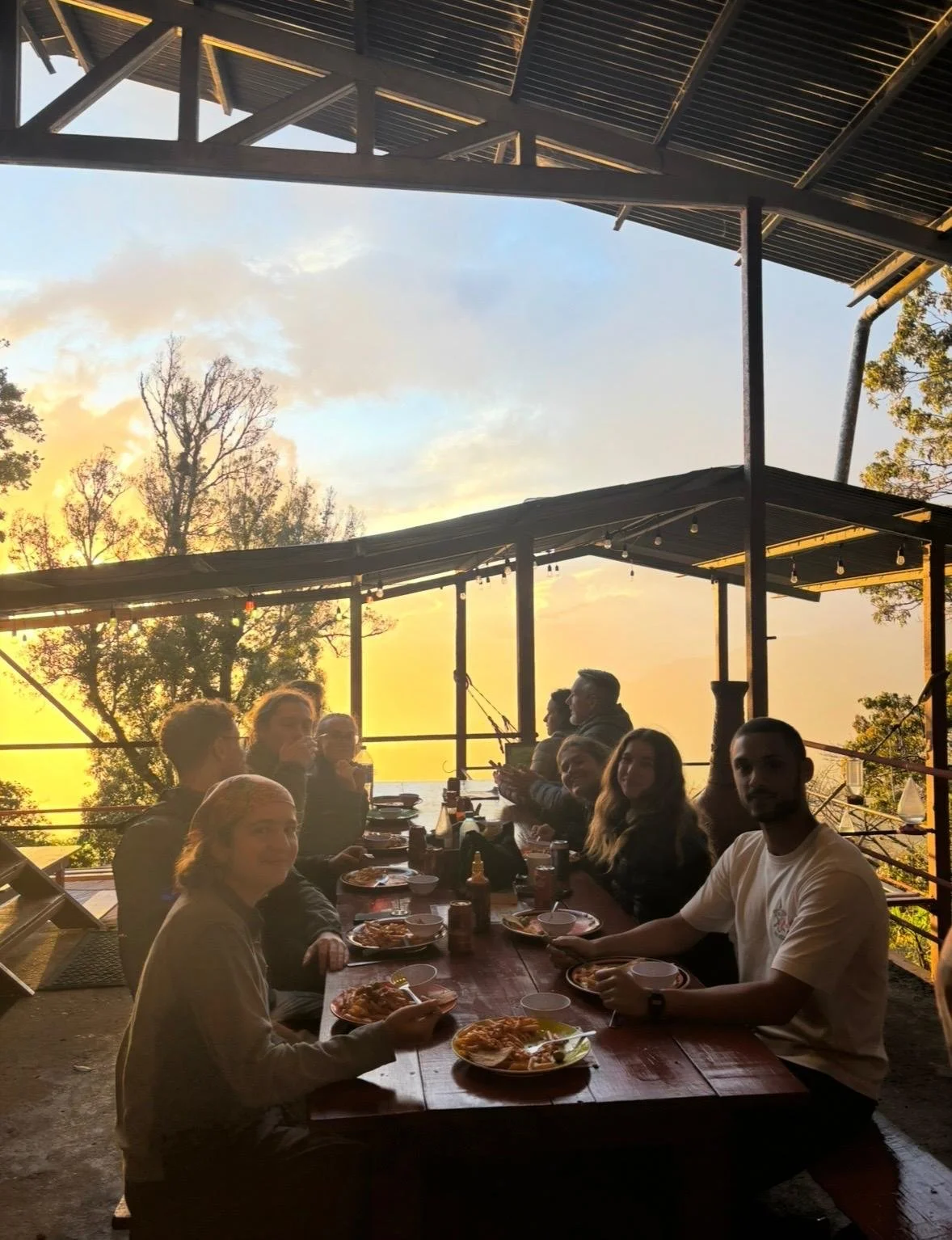
One of the biggest surprises for many backpackers is how much they end up loving places between the major destinations. A perfect example is Lost and Found Hostel, which sits hidden in the jungle mountains between Boquete and Bocas del Toro. Many travelers initially stop there for only one or two nights because it conveniently breaks up the long journey between the Caribbean and the mountains. Then they accidentally stay much longer. The hostel feels completely disconnected from normal life. You hike into the jungle carrying your backpack while clouds move through the trees around you. There are no nearby cities, no traffic, and no urban noise. Instead you wake up surrounded by rainforest, hiking trails, waterfalls, tropical birds, and mountain mist.
Lost and Found becomes one of those places backpackers talk about long after leaving Panama because it captures the slower side of travel people often miss while rushing around Central America. Days there start blending together. You spend afternoons hiking through jungle trails or sitting in hammocks listening to rain hit the forest canopy. Travelers end up volunteering there, extending their stays, or completely changing their itineraries after arriving. It is the kind of place that reminds people why they started backpacking in the first place.
Then there is Bocas del Toro, which completely destroys people’s schedules. Backpackers arrive planning three or four days and somehow stay for two weeks. The islands operate on a completely different rhythm from the mainland. Boats replace buses. Caribbean music drifts through the streets. Rainstorms appear suddenly over turquoise water. Travelers spend entire afternoons moving slowly between beaches, hostels, bars, and water taxis without really caring what day it is anymore. Bocas has a strange ability to dissolve time. Many people discover that once they settle into island life, leaving becomes surprisingly difficult.
If you only have two weeks in Panama, you can still have an incredible experience. You can combine Panama City, Boquete, Lost and Found, and Bocas del Toro into a route that shows you several completely different sides of the country. But if you truly want to experience Panama deeply rather than just visit it quickly, three weeks to a month feels dramatically better. That extra time changes everything. You stop viewing travel days as interruptions and start viewing them as part of the adventure itself. You spend rainy afternoons doing absolutely nothing in jungle hostels. You meet people who completely change your plans. You stay longer in places because you genuinely enjoy them rather than because your itinerary tells you to.
Panama also rewards flexibility because the weather constantly reshapes travel. Tropical storms can flood roads, delay boats, and turn hiking trails into rivers of mud within hours. The rainy season especially forces travelers to slow down and adapt. Backpackers who arrive with rigid schedules often become frustrated. The people who enjoy Panama most usually leave room for unpredictability.
And honestly, unpredictability is part of what makes the country fascinating. One day you are walking beneath skyscrapers beside the Pacific Ocean in Panama City. A few days later you are hiking through jungle fog near Lost and Found Hostel. Then suddenly you are riding a water taxi through Caribbean rainstorms toward island beaches in Bocas del Toro. The country constantly changes identity as you move through it.
That is why most backpackers do not regret spending too much time in Panama. They regret not giving themselves enough time to let the country unfold properly.