
There are places in Panama that feel busy, loud, and permanently in motion. Then there are places that seem almost detached from time itself, where the sound of the ocean replaces traffic and where frigate birds circle overhead like ancient guardians of the coast. Isla Iguana belongs firmly in the second category. It is one of those rare islands that still feels undiscovered even though travelers have been visiting it for decades. The journey there is not glamorous, and that is exactly part of its magic. Isla Iguana rewards people who enjoy raw beauty, wildlife, isolation, and the sensation that they have briefly escaped the modern world.
The island lies off the Pacific coast near the small town of Pedasí on the Azuero Peninsula. From the air on a clear day, Isla Iguana appears as a tiny green jewel surrounded by bright turquoise water. The island itself is protected as a wildlife refuge, and because of this, development is extremely limited. There are no giant resorts, no cruise terminals, no rows of beach bars blasting music into the night. Instead, visitors find forest trails, white sand beaches, nesting birds, coral reefs, and a level of quiet that feels almost shocking if you have spent time in Panama City.
One of the fascinating things about Isla Iguana is that despite the name, most people do not actually visit because of iguanas. The island does have them, and they are everywhere, lazily moving through the undergrowth or sunning themselves on rocks, but the true stars are the birds and the ocean. The island protects one of the largest colonies of frigate birds in the Pacific region of Panama. These enormous birds glide effortlessly above the cliffs and beaches, sometimes remaining airborne for astonishing lengths of time. During nesting season, the males inflate bright red throat pouches that look almost unreal against the blue sky.
The experience of getting to Isla Iguana begins long before the boat leaves the shore. Most travelers start in Pedasí, a relaxed surf town that has become increasingly popular with backpackers, retirees, and Panamanians escaping the city. Pedasí itself feels like a different country compared to Panama City. The roads are quiet, people move slowly, and the atmosphere is deeply tied to fishing culture and the rhythms of the sea. Roosters crow in the mornings, fishermen prepare boats before sunrise, and small bakeries open early with fresh bread and coffee.
Reaching Pedasí from Panama City usually takes between five and six hours by car. The drive crosses huge stretches of countryside that many tourists never see. You pass cattle ranches, dry forests, roadside fruit stands, tiny villages, and long sections of open road where the Pacific heat shimmers above the pavement. Buses also run from Panama City to Pedasí, usually departing from the Albrook terminal. Backpackers often take overnight or early morning buses because they are inexpensive and surprisingly comfortable.
As you get closer to the coast, the landscape changes dramatically. The Azuero Peninsula has a dry tropical climate that gives it a rugged and almost forgotten beauty. During the dry season, the hills become golden brown, and dust drifts behind passing vehicles. Palm trees lean in the wind, and the entire region feels sunbaked and remote. Yet when the rainy season arrives, everything transforms into deep green countryside almost overnight.
Once in Pedasí, travelers usually arrange a boat tour to Isla Iguana through local operators near the beach. The departure point is often Playa El Arenal, a long beach lined with fishing boats and pelicans. Early mornings are the best time to leave because the ocean is calmer and the sunlight makes the water glow bright blue-green.
The boat ride itself is part of the adventure. Small fiberglass boats bounce across the Pacific waves while flying fish occasionally burst from the water beside you. Depending on conditions, the trip takes roughly 20 to 30 minutes. As the island slowly grows larger on the horizon, many people are surprised by how untouched it looks. There are no tall buildings visible, only forest, rocky cliffs, and bright beaches.
Arriving on Isla Iguana feels like stepping into a nature documentary. The water near the shore is often incredibly clear, especially during the dry season from December through April. Schools of tropical fish move through the shallows, and hermit crabs scatter across the sand as visitors step onto the beach. Rangers collect a conservation fee because the island is protected, and this protection is one of the main reasons the environment remains so pristine.
The beaches are among the most beautiful on Panama’s Pacific coast. Unlike many mainland beaches in the country that have darker volcanic sand, Isla Iguana features pale white sand that contrasts dramatically with the turquoise ocean. Coconut palms sway near the shore, and the island’s small size means you can often walk for long stretches without seeing many people.
Snorkeling is one of the island’s biggest attractions. Coral reefs surround parts of Isla Iguana, creating habitats for angelfish, parrotfish, sea stars, rays, and occasionally sea turtles. Visibility varies depending on tides and weather, but on good days the underwater world becomes astonishingly vibrant. Some visitors are surprised to learn that Panama’s Pacific side can have coral reefs at all because Caribbean destinations receive most of the attention. Yet Isla Iguana quietly proves otherwise.
During whale season, the experience becomes even more extraordinary. Between roughly July and October, humpback whales migrate through Panamanian waters, and boat rides to Isla Iguana sometimes turn into unforgettable wildlife encounters. Seeing a humpback breach against the horizon while surrounded by the empty Pacific is something travelers remember for years afterward. Few places in the world allow you to combine island beaches, coral reefs, tropical birds, and whale watching in a single day trip.
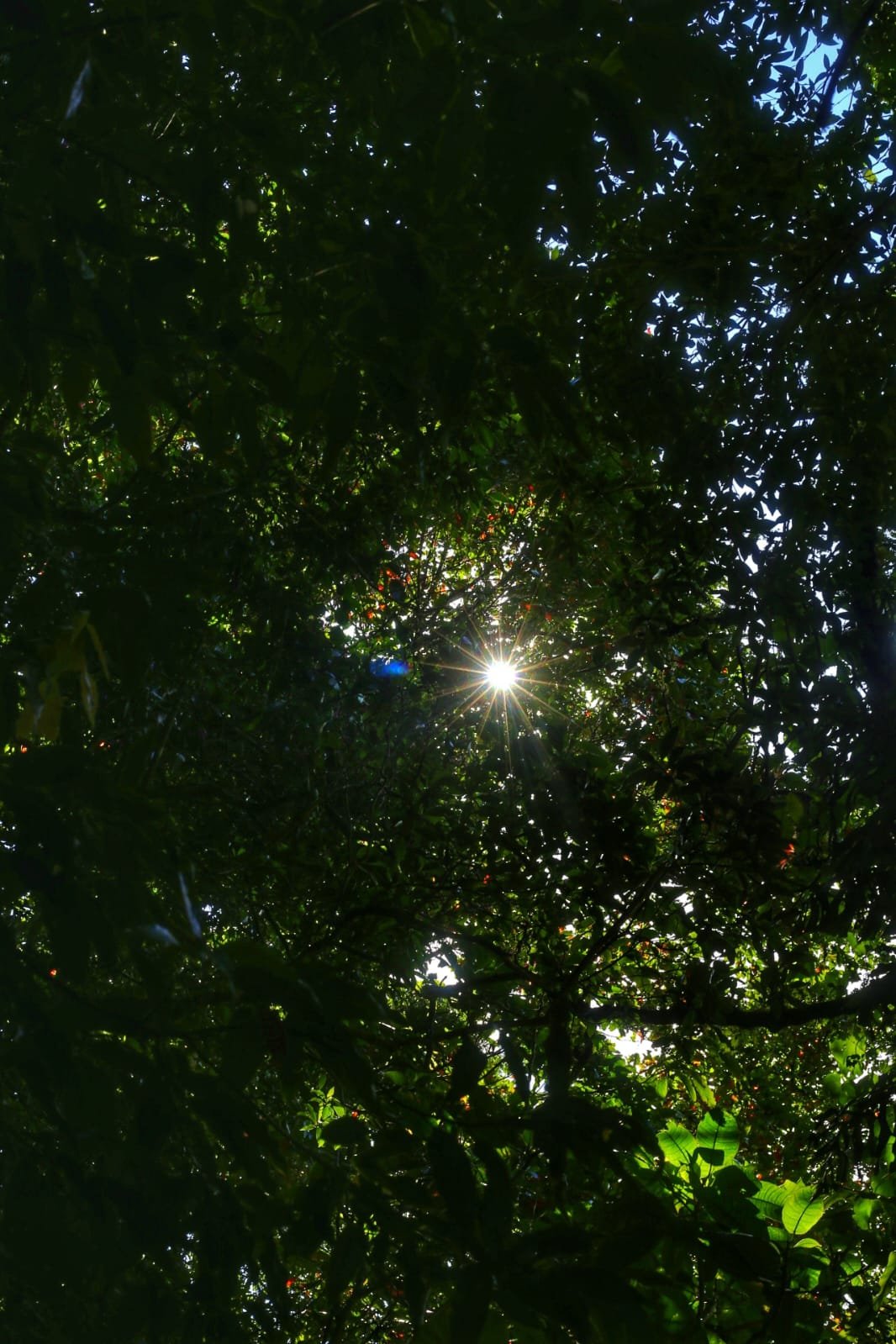
The island’s trails lead into dry tropical forest filled with birds and reptiles. Iguanas move confidently through the vegetation, seemingly unbothered by humans. Tiny lizards dart across rocks while crabs hide beneath roots near the shoreline. Birdwatchers often become obsessed with the island because so many seabirds nest there. Pelicans dive dramatically into the ocean, and frigate birds drift overhead like living kites.
One of the most interesting parts of Isla Iguana is its atmosphere of isolation. Even though it is relatively accessible from Pedasí, it still feels remote because overnight stays are highly restricted. Most people leave in the afternoon when the boats return to the mainland. As a result, there are moments during quieter days when the beaches feel nearly deserted. The silence becomes one of the island’s defining features.
The ocean around Isla Iguana can change moods quickly. On calm mornings it appears almost Caribbean, with transparent water and gentle waves. But later in the day the Pacific can become rougher, reminding visitors that this coastline is wild and exposed to open ocean currents. That unpredictability adds to the sense of adventure.
Travelers who enjoy photography often find Isla Iguana addictive. The contrast between white sand, dark volcanic rocks, green forest, and brilliant blue water creates scenes that barely look real in photographs. Sunsets near Pedasí after returning from the island are equally spectacular. The Pacific sky frequently explodes into orange, red, and purple colors while fishing boats drift back toward shore.
Another fascinating aspect of Isla Iguana is how different it feels from Panama’s Caribbean islands. Places like Bocas del Toro are lush, humid, and culturally Caribbean. Isla Iguana feels drier, harsher, quieter, and more connected to the Pacific wilderness. The atmosphere is less about nightlife and more about nature.
People who stay in Pedasí for several days often combine Isla Iguana with nearby attractions. Surf beaches such as Playa Venao attract surfers from around the world, while quiet beaches around the peninsula remain nearly empty even during high season. The entire region has a frontier-like feel compared to Panama’s more famous tourist areas.
Food after a day at Isla Iguana somehow tastes better than usual. Maybe it is the salt air, the heat, or the long hours in the sun, but returning to Pedasí for fresh fish, ceviche, rice, and cold drinks becomes part of the ritual. Small restaurants near the beach serve simple seafood meals that perfectly match the atmosphere of the coast.
The best time to visit Isla Iguana is generally during the dry season from December through April when the skies are sunnier and the ocean is calmer. However, the rainy season has its own beauty. The countryside becomes intensely green, crowds are smaller, and whale season arrives later in the year. Storms can occasionally cancel boat trips, but dramatic skies and fewer tourists create a more adventurous experience.
Many travelers underestimate how hot the island can become. Shade exists near the forest and palm trees, but the midday Pacific sun is intense. Bringing water, sunscreen, hats, and snorkeling gear makes the experience much more enjoyable. Since facilities on the island are limited, preparation matters.
What makes Isla Iguana special is not luxury or entertainment. It is the feeling of encountering a version of Panama that still feels raw and ecologically alive. In much of the world, islands this beautiful would already be covered in resorts and private developments. Isla Iguana remains protected enough that visitors can still experience something close to genuine wilderness.
There is also something emotionally powerful about leaving the island in the late afternoon. As the boats pull away, the beaches become smaller in the distance while frigate birds continue circling above the trees. The island begins to look mysterious again, almost unreal against the Pacific horizon. Travelers often spend the return trip quietly staring back toward it.
For backpackers, Isla Iguana feels like a reward after long bus rides across Panama. For photographers, it is a dream landscape. For nature lovers, it is one of the country’s most underrated treasures. And for people who simply want to disconnect from crowded cities and noise, the island offers something increasingly rare in the modern world: silence, open ocean, and untouched beauty.
Panama is filled with destinations that receive far more international attention, yet many experienced travelers quietly consider Isla Iguana one of the country’s true highlights. It does not overwhelm visitors with attractions or luxury. Instead, it slowly wins them over through atmosphere, wildlife, isolation, and the simple experience of spending a day surrounded by sea and sky.
Long after leaving the Azuero Peninsula, many people remember surprisingly small details. The sound of waves against the boat hull before sunrise. The sight of frigate birds hanging motionless in the wind. The feeling of warm Pacific water over coral reefs. The dryness of the island forest. The color of the sand at noon. Isla Iguana stays in people’s memories not because it is flashy, but because it feels authentic in a way that many tropical destinations no longer do.