
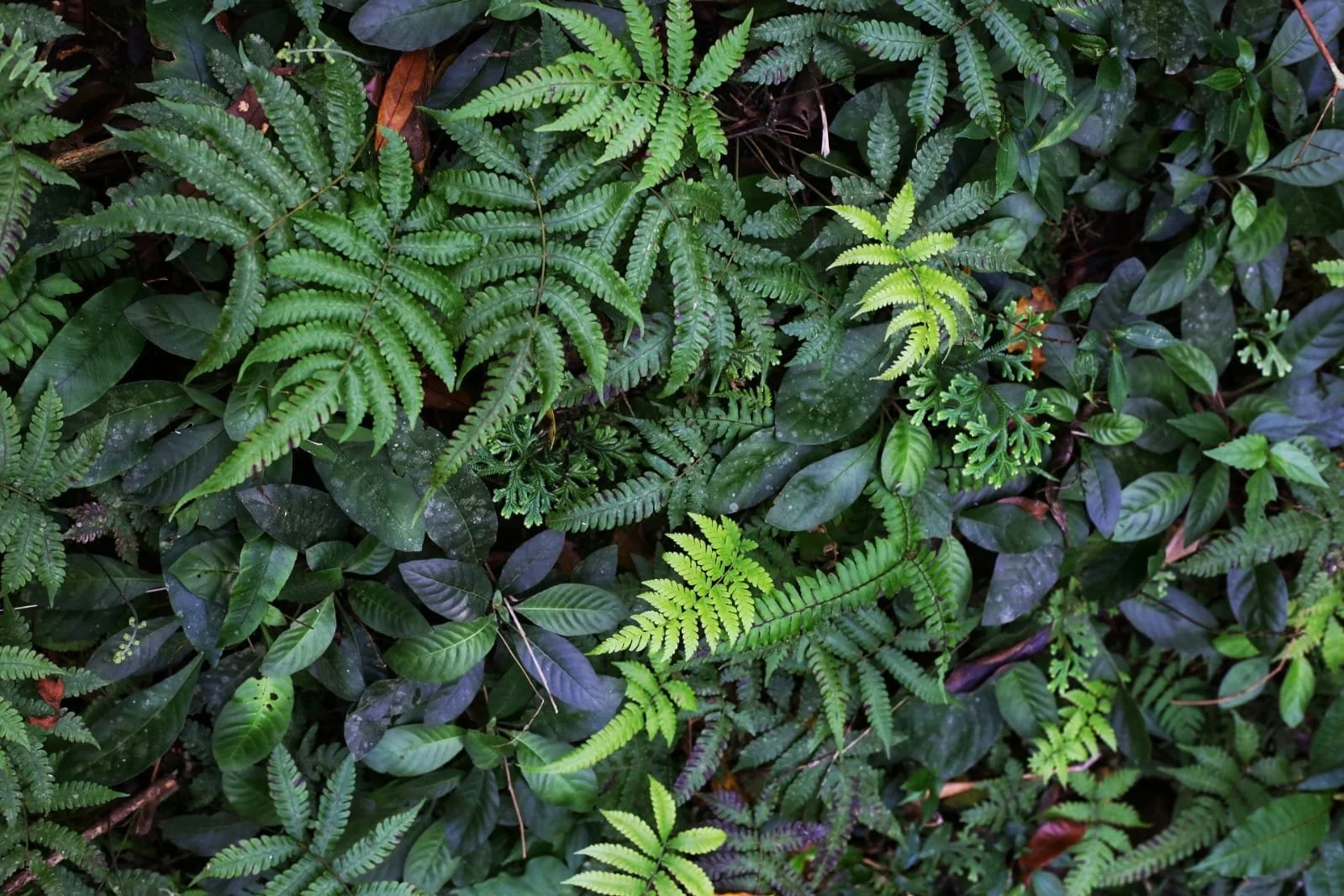
Panama is often celebrated for its canal, tropical rainforests, stunning coastlines, and strategic location connecting two continents. Yet beyond its geography lies another treasure that many visitors overlook: a rich literary tradition filled with poets whose words have helped shape the country's identity.
Poetry occupies a special place in Panamanian culture. Throughout the nation's history, poets have written about love, nature, patriotism, social justice, national sovereignty, and the unique experience of living in a land that serves as a bridge between worlds. Their verses have accompanied some of the most important moments in Panama's history and continue to be taught in schools, quoted during national celebrations, and remembered by generations of Panamanians.
Among the many literary figures who have contributed to Panama's cultural heritage, a handful of poets stand above the rest due to their lasting influence and enduring popularity.
Ricardo Miró: Panama's National Poet
Ricardo Miró is often regarded as Panama's national poet. Born in Panama City in 1883, he became one of the most beloved literary figures in the country's history. His influence is so profound that Panama's most prestigious literary prize is named after him.
Miró's most famous work is Patria, a poem that has become deeply embedded in Panama's national consciousness. Written while he was abroad, the poem expresses longing for home and an intense love for Panama. Many Panamanians can recognize at least portions of it, and its verses are frequently referenced during patriotic events.
What makes Miró remarkable is his ability to capture something universal. Although he wrote about Panama, the emotions in his work resonate with anyone who has ever missed home or felt a deep connection to their homeland. His poetry combines elegance with sincerity, making it accessible to ordinary readers while maintaining literary sophistication.
More than a century after he first published his work, Ricardo Miró remains one of the defining voices of Panamanian literature.
Amelia Denis de Icaza: The Poet of Ancón Hill
If Ricardo Miró is Panama's national poet, then Amelia Denis de Icaza is one of its most important patriotic voices.
Born in 1836, she became the first Panamanian woman to publish poetry and remains one of the most significant female literary figures in the nation's history. Her work emerged during the Romantic era, and she frequently explored themes of patriotism, family, nature, injustice, and national identity.
Her most famous poem, Al Cerro Ancón, occupies a unique place in Panamanian culture. The poem expresses sorrow and frustration over the loss of access to Ancón Hill following the creation of the Canal Zone. Through her verses, she transformed a hill overlooking Panama City into a symbol of national identity and sovereignty.
Even today, many Panamanians associate Ancón Hill with her poetry. The poem became far more than a literary work. It evolved into a symbol of national pride and a reflection of the complex emotions surrounding Panama's history and relationship with the Canal Zone.
Her influence was so profound that she is still widely taught in schools throughout the country, and a monument honoring her stands on Ancón Hill itself.
Demetrio Korsi: The Voice of Everyday Panama
Another giant of Panamanian poetry is Demetrio Korsi.
Born in 1899, Korsi represented a transition between traditional literary styles and more modern forms of expression. Unlike some poets who focused primarily on abstract ideas, Korsi often celebrated the realities of everyday Panamanian life. His poems explored folklore, local traditions, Afro Indigenous cultural influences, humor, and the rapidly changing society around him.
His work helped establish what many critics describe as a distinctly Panamanian literary voice. Rather than imitating European styles, Korsi embraced local culture and transformed it into poetry.
Many of his works contain vivid descriptions of ordinary people, music, landscapes, and customs that were often overlooked by other writers. In doing so, he helped preserve important aspects of Panama's cultural heritage.
His poems continue to be admired because they capture the sounds, rhythms, and character of Panama itself.
Rogelio Sinán: The Literary Innovator
Few writers transformed Panamanian literature as dramatically as Rogelio Sinán.
Born Bernardo Domínguez Alba, he adopted the pen name Rogelio Sinán and became one of the leading figures of literary modernism and avant garde writing in Panama. Critics often credit him with introducing new literary movements into Panamanian poetry and expanding the boundaries of what local literature could achieve.
Unlike the patriotic poetry of Miró or Amelia Denis, Sinán often explored dreams, psychology, symbolism, and experimental forms of expression. His work reflected global literary trends while maintaining a uniquely Panamanian perspective.
Today he is remembered not only as a poet but also as one of the most influential literary innovators in Panama's history.
Gaspar Octavio Hernández: Poet and Journalist
Gaspar Octavio Hernández occupies another important place in Panama's literary heritage.
A journalist as well as a poet, Hernández is remembered for his eloquent writing and strong patriotic themes. His poem Canto a la Bandera remains one of his most celebrated works and helped establish his reputation as one of the country's most respected literary voices.
Although his life was relatively short, his influence continues through his contributions to both literature and journalism.
The Romantic Generation
Panama's literary history includes many other important poets whose names may be less familiar internationally but remain highly respected within the country.
Among them are:
Tomás Martín Feuillet
Gil Colunje
Federico Escobar
Víctor de la Guardia y Ayala
These writers helped establish the foundations of Panamanian literature during the nineteenth century. Their works often reflected Romantic ideals, including emotion, nationalism, nature, and personal reflection.
Poetry and National Identity in Panama
One fascinating aspect of Panamanian poetry is how closely it is tied to national identity.
In many countries, poetry occupies a relatively small place in public life. In Panama, however, certain poems have become woven into the nation's collective memory.
Patria by Ricardo Miró and Al Cerro Ancón by Amelia Denis de Icaza are more than literary works. They are cultural landmarks. Their verses have accompanied generations of Panamanians through periods of political change, national celebration, and reflection.
Even today, discussions about Panamanian identity often reference themes first explored by these poets.
Poetry Inspired by the Land
Another recurring theme among Panama's greatest poets is the natural beauty of the country itself.
The mountains of Chiriquí.
The forests of Darién.
The Pacific and Caribbean coastlines.
The historic neighborhoods of Panama City.
The mighty waterway of the Panama Canal.
These landscapes have inspired generations of writers who sought to capture the spirit of the isthmus through words.
Many poems reflect a deep appreciation for the country's biodiversity, geography, and cultural diversity. This connection between land and literature helps explain why poetry remains such an important part of Panama's cultural identity.
Why These Poets Still Matter
In an age dominated by smartphones, social media, and streaming entertainment, it might be tempting to view poetry as something from the past.
Yet Panama's great poets continue to matter because they documented the emotions, struggles, dreams, and aspirations of the nation.
They preserved moments of history.
They defended national identity.
They celebrated the country's landscapes and people.
They transformed personal feelings into works that still resonate generations later.
Their poetry reminds readers that Panama is not only a geographical bridge connecting continents. It is also a cultural bridge connecting history, memory, and identity.
For anyone seeking to understand Panama beyond its famous canal and tropical scenery, exploring the works of Ricardo Miró, Amelia Denis de Icaza, Demetrio Korsi, Rogelio Sinán, and the many other poets who shaped the nation's literature offers a fascinating journey into the heart of Panamanian culture itself.