
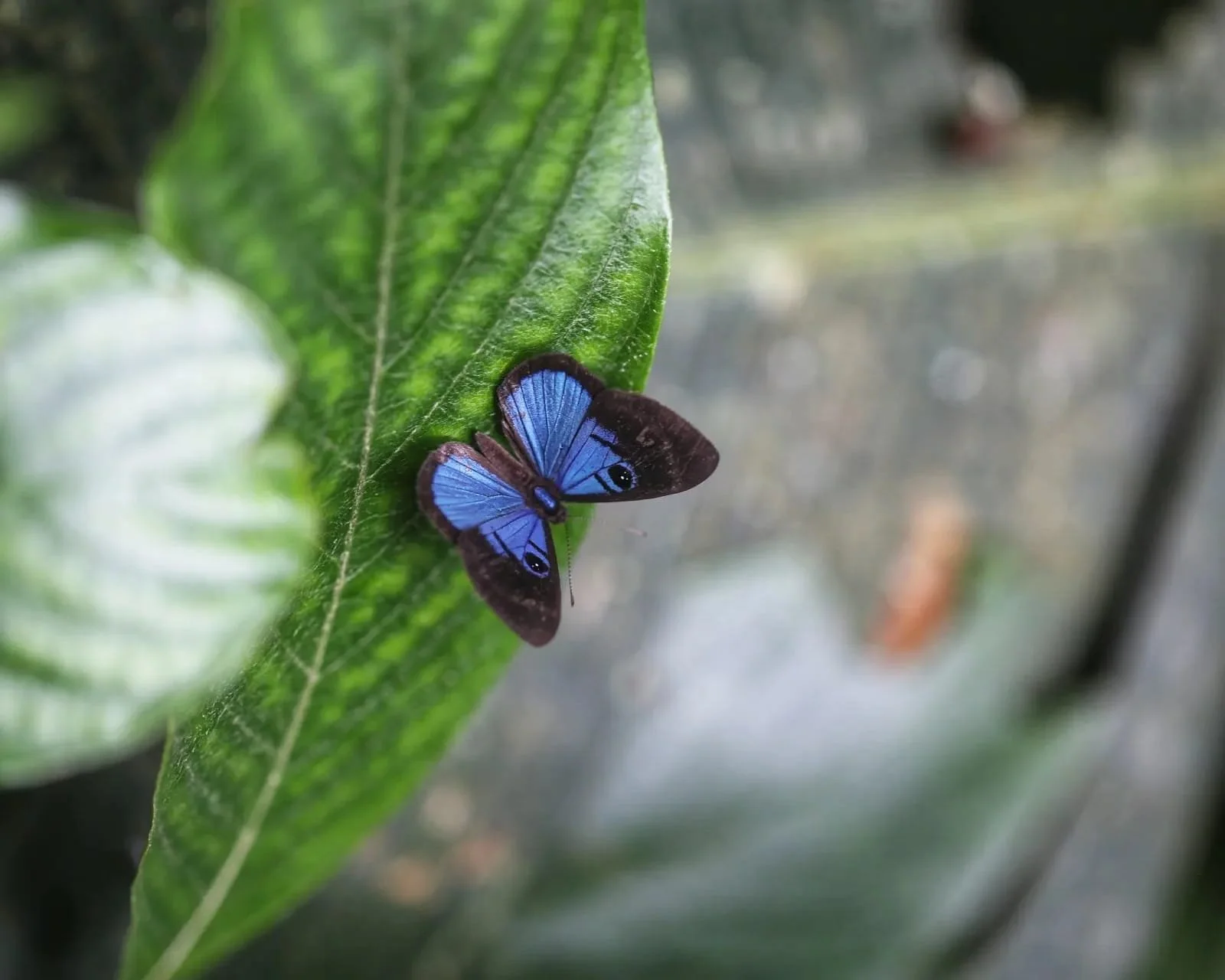
There are few sights in nature as universally admired as a butterfly drifting through the air on a warm tropical morning. Their colors seem almost impossible, their movements appear effortless, and their presence instantly brings life and beauty to any landscape. In Panama, butterflies are not simply occasional visitors. They are an essential part of the country's ecosystems and among the most spectacular examples of its incredible biodiversity. From the humid Caribbean lowlands to the misty cloud forests of the highlands, from remote rainforest trails to backyard gardens in cities and villages, butterflies can be found nearly everywhere. For many travelers, a glimpse of a brilliant blue morpho gliding through a forest is one of the most memorable wildlife encounters they experience during their time in Panama.
Panama's location between North and South America has helped create one of the richest butterfly populations in the world. Scientists have recorded well over a thousand butterfly species in the country, with some estimates suggesting that the true number may be even higher. This extraordinary diversity is possible because Panama contains a remarkable variety of habitats packed into a relatively small area. Rainforests, cloud forests, mangroves, wetlands, mountains, agricultural landscapes, and coastal ecosystems all provide homes for different species. Every habitat offers unique plants, temperatures, elevations, and microclimates that support different butterflies throughout their life cycles.
For many people, the most famous butterfly in Panama is the magnificent Blue Morpho. Seeing one in flight is an unforgettable experience. Its wings flash an electric blue so vibrant that it almost seems artificial. Yet the remarkable color is not actually produced by blue pigments. Instead, microscopic structures on the wings reflect light in a way that creates the brilliant blue appearance. As the butterfly flies through patches of sunlight and shade, the wings seem to flicker between dazzling blue and dark brown, creating a magical effect that has fascinated naturalists for generations.
The forests of Panama are filled with butterflies of every imaginable color. Some species display brilliant reds, oranges, yellows, and greens. Others rely on camouflage, blending perfectly into dead leaves or tree bark when their wings are closed. Certain butterflies mimic toxic species in order to discourage predators. This evolutionary strategy allows harmless butterflies to benefit from the warning signals of more dangerous relatives. The result is an astonishing variety of forms, colors, and behaviors that make Panama one of the world's great destinations for butterfly enthusiasts.
Butterflies are far more than beautiful insects. They play important ecological roles as pollinators and as part of complex food webs. While they are not always as efficient as bees at pollination, many flowering plants benefit from their visits. Butterflies help move pollen between flowers, contributing to plant reproduction and ecosystem health. Their caterpillars serve as food for birds, reptiles, amphibians, spiders, and other animals. In this way, butterflies help support countless species throughout Panama's diverse environments.
One reason butterflies are so fascinating is their extraordinary life cycle. Every butterfly begins as an egg laid on a specific host plant. After hatching, the tiny caterpillar spends much of its time eating and growing. Many caterpillars are highly specialized and can survive only on particular plant species. Once fully grown, the caterpillar forms a chrysalis and undergoes one of nature's most remarkable transformations. Inside the chrysalis, its body reorganizes into an entirely different form. Weeks later, a butterfly emerges and begins its adult life. This complete metamorphosis has inspired countless stories, symbols, and metaphors throughout human history.
The cloud forests of western Panama are especially rich in butterfly diversity. Around Boquete and the surrounding mountains, changing elevations create a wide range of habitats. Some butterflies are found only in cooler highland environments while others prefer warmer lower elevations. On a sunny morning following a rainy night, trails through the cloud forest may suddenly come alive with dozens of species fluttering among wildflowers and forest edges.
The forests surrounding Lost and Found Hostel are another wonderful place to observe butterflies. The combination of cloud forest, rainforest influences, open clearings, and abundant native vegetation creates ideal conditions for a variety of species. Visitors walking forest trails often encounter butterflies feeding on flowers, basking in sunlit patches, or gathering around moist soil to absorb minerals. These gatherings, sometimes called puddling behavior, can attract dozens of butterflies at once and provide excellent opportunities for photography.
Butterflies are particularly active during sunny weather. After rain, many species emerge to warm themselves and search for nectar. Forest openings, riverbanks, gardens, and flowering areas often become gathering points. In tropical regions like Panama, butterflies can be observed throughout the year, although seasonal rainfall patterns may influence abundance and species composition.
For homeowners, gardeners, and nature lovers, attracting butterflies can transform an ordinary yard into a vibrant wildlife sanctuary. The good news is that creating a butterfly friendly space is often simpler than many people expect. The key is understanding what butterflies need during every stage of their lives.
The first requirement is nectar. Adult butterflies rely on nectar as an important energy source. Gardens filled with flowering plants provide food and encourage butterflies to visit regularly. In Panama, flowering species such as lantana, pentas, porterweed, verbena, zinnias, and native wildflowers are often excellent choices. Butterflies are particularly attracted to flowers that produce abundant nectar and bloom over extended periods.
Native plants are especially valuable because local butterflies evolved alongside them. Native flowers often provide exactly the resources that local species need. A garden incorporating a variety of native flowering plants can attract significantly more butterflies than one relying exclusively on ornamental exotics.
Equally important are host plants for caterpillars. Many people focus entirely on nectar flowers and forget that butterflies need places to lay eggs. Without suitable host plants, butterflies may visit briefly but will not establish breeding populations. Different butterfly species require different host plants. Passionflower vines, citrus trees, milkweed, cassia, and various native shrubs support the caterpillars of numerous species found in Panama.
One challenge for gardeners is accepting that caterpillars eat leaves. Some people become concerned when they notice chewing damage on plants. Yet those missing leaves are often evidence that a garden is successfully supporting butterfly life cycles. A butterfly garden is not meant to be perfectly pristine. It is meant to support living creatures.
Avoiding pesticides is one of the most important steps in creating a butterfly friendly environment. Many insecticides kill butterflies and caterpillars directly or contaminate the plants they depend upon. Even products marketed as safe can sometimes harm beneficial insects. Reducing or eliminating pesticide use greatly increases the chances of attracting healthy butterfly populations.
Water is another often overlooked resource. Butterflies need moisture and minerals. A shallow dish filled with wet sand, damp soil, or small stones can provide an attractive source of water. Some species are particularly drawn to moist ground where they can absorb salts and minerals. Creating these simple puddling areas often attracts butterflies that might otherwise pass through without stopping.
Sunlight also matters. Butterflies are cold blooded and rely on external heat sources to regulate body temperature. Sunny areas provide opportunities for basking, which allows butterflies to warm their flight muscles. Gardens that include both sunny spaces and sheltered areas tend to support greater butterfly activity.
Wind protection can make a surprising difference. Strong winds make flying difficult and increase energy expenditure. Hedges, shrubs, and native vegetation can create sheltered microhabitats where butterflies can feed and rest comfortably. Even relatively small garden spaces can become attractive if they provide protection from constant wind.
Many butterfly enthusiasts discover that diversity is the secret to success. A garden containing a mixture of flowering plants, shrubs, vines, trees, host plants, sunny openings, and shaded areas offers resources for a wide variety of species. The more diverse the habitat, the more likely it is to attract different butterflies throughout the year.
Patience is important. Butterfly gardens rarely become successful overnight. Plants need time to establish, and butterflies need time to discover new resources. The rewards, however, can be extraordinary. Over months and years, a well designed garden may become home to dozens of butterfly species, each contributing color, movement, and life to the landscape.
For photographers, butterflies provide endless opportunities. Their vibrant colors and intricate wing patterns make them ideal subjects. Yet photographing butterflies often requires patience because many species are constantly in motion. Early morning is frequently the best time because cooler temperatures make butterflies less active and easier to approach. As the day warms, they become increasingly energetic and difficult to photograph.
Perhaps the greatest gift butterflies offer is the sense of wonder they inspire. In a world increasingly dominated by technology and fast paced living, butterflies encourage people to slow down and pay attention. A garden filled with butterflies becomes more than a collection of plants. It becomes a living ecosystem. Every fluttering wing represents a story of transformation, survival, and connection to the natural world.
In Panama, where biodiversity is woven into daily life, butterflies serve as ambassadors of nature's beauty. Whether drifting through a rainforest clearing, gliding across a coffee farm, dancing among mountain wildflowers, or visiting a backyard garden, they remind us that some of the most extraordinary wildlife experiences can occur in the smallest moments. By planting the right flowers, providing host plants, avoiding harmful chemicals, and creating welcoming habitats, anyone can invite these living jewels into their surroundings and enjoy one of the most enchanting spectacles that tropical nature has to offer.