
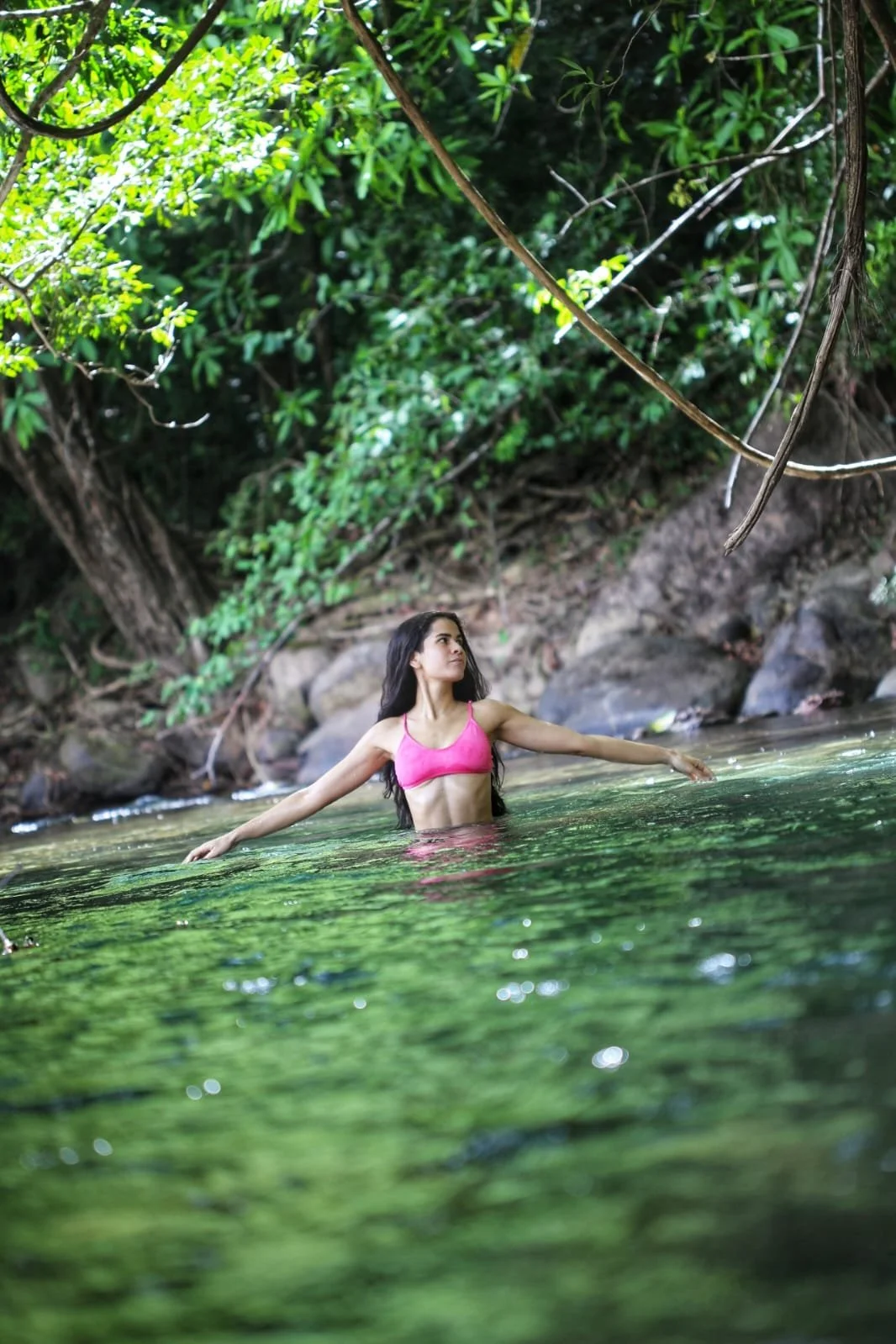
When travelers begin dreaming about Central America, they are usually drawn by images of smoking volcanoes, jungle-covered mountains, tropical islands, ancient ruins, colorful colonial cities, world-class surf breaks, and wildlife-filled rainforests. Yet before they ever book a flight, reserve a hostel, or map out a backpacking route, almost all of them ask the same question: “How safe is it?” For decades, Central America has suffered from an image problem. International news coverage has often focused on gangs, drug trafficking, political instability, migration crises, and natural disasters, while paying far less attention to the millions of tourists who successfully travel throughout the region every year without experiencing any serious problems. The result is that many first-time visitors arrive expecting a region that feels dangerous and unpredictable, only to discover a place that is often far safer, more organized, and more welcoming than they imagined. The reality in 2026 is that Central America cannot be painted with a single brush. It is not uniformly safe, nor is it uniformly dangerous. Instead, it is a diverse collection of countries with dramatically different levels of infrastructure, development, crime, tourism maturity, and political stability. Some destinations require very little caution beyond ordinary common sense, while others reward travelers who do more research and remain more aware of their surroundings. Among all these countries, Panama consistently stands out as one of the safest, easiest, and most comfortable destinations in the region, not because it is perfect or crime-free, but because it combines so many strengths that contribute to a feeling of security. To truly understand why Panama performs so well, it is necessary to compare it directly with every other country in Central America and examine not just crime statistics, but the entire traveler experience from arrival to departure.
One of the biggest mistakes people make when comparing safety between countries is focusing entirely on homicide rates or crime rankings. While these statistics are useful, they often fail to tell the full story of what a traveler will actually experience on the ground. Safety is influenced by dozens of factors that extend far beyond crime. Road quality matters. Healthcare quality matters. Emergency response capability matters. The reliability of transportation matters. The availability of internet access matters. Political stability matters. The presence of a strong tourism industry matters. The ability to access money, communicate with authorities, obtain medical treatment, or quickly change travel plans can make a tremendous difference during a trip. A country may have a relatively low homicide rate but poor infrastructure and weak services, while another may have slightly higher crime rates but provide a much easier and more predictable environment for visitors. This broader perspective helps explain why Panama performs so strongly. It consistently scores well across almost every category that matters to travelers. Its economy is among the strongest in Latin America, its infrastructure is among the best in Central America, its healthcare system is highly regarded, its transportation networks are modern, and its tourism industry is mature enough to support everyone from backpackers and digital nomads to luxury travelers and retirees. These advantages create a level of predictability and convenience that many visitors immediately notice upon arrival.
Panama's unique position within Central America begins with the enormous influence of the Panama Canal. One of the most important shipping routes in the world, the canal has shaped the country's development for generations and helped create an economy that is far more diversified and globally connected than many people realize. The wealth generated by international trade has contributed to infrastructure projects, public services, business investment, and economic opportunities that are visible throughout the country. Travelers arriving in Panama City are often shocked by what they see. Instead of a modest tropical capital, they encounter a skyline filled with gleaming skyscrapers, luxury hotels, modern shopping centers, international banks, and one of the most impressive urban landscapes in Latin America. The city possesses a metro system, extensive telecommunications infrastructure, excellent healthcare facilities, and transportation options that rival those of much larger countries. Yet what makes Panama truly remarkable is that this modern urban environment exists alongside extraordinary natural landscapes. Within a matter of hours, travelers can leave the skyscrapers behind and find themselves in cloud forests, coffee-growing highlands, indigenous territories, remote islands, coral reefs, or wildlife-rich jungles. This combination of modernity and adventure creates an environment where travelers can pursue exciting experiences while still benefiting from strong infrastructure and services. The result is a country that often feels safer and easier to navigate than many people expect.
Panama City itself deserves special attention because it is one of the greatest reasons Panama ranks so highly among travelers. Large cities are often where visitors feel most vulnerable. They arrive tired from flights, carrying luggage, navigating unfamiliar transportation systems, and trying to orient themselves in a completely new environment. In many parts of the world, the first few hours after arrival are among the most stressful moments of a trip. Panama City reduces much of this anxiety through a combination of modern infrastructure and extensive tourism services. The airport is one of the busiest and best connected in Latin America. Ride-sharing services and taxis are readily available. Hotels exist in every price range. English is widely spoken in tourism-related businesses. High-speed internet is easy to find. Medical facilities are excellent. Banking services are abundant. While travelers should still exercise normal urban precautions and avoid certain neighborhoods, many visitors report feeling surprisingly comfortable exploring Panama City, especially compared to capitals elsewhere in Central America. This sense of comfort is not merely psychological. It reflects a city that has spent decades positioning itself as an international business and transportation hub and has developed the infrastructure necessary to support that role.
For many years, Costa Rica occupied a nearly unchallenged position as the safest country in Central America. The country's reputation was built on a remarkable historical trajectory. After abolishing its military in 1948, Costa Rica invested heavily in education, healthcare, conservation, and social development. Over time, it became known as the peaceful exception in a region often associated with political turmoil. Tourism flourished, national parks expanded, and the country developed a global reputation as a paradise for ecotourism. Even today, Costa Rica remains one of the safest destinations in Latin America and consistently ranks highly in international measures of peace and stability. However, the difference between Costa Rica and Panama has become increasingly small. Costa Rica has faced growing challenges related to drug trafficking routes and organized crime, although tourists remain overwhelmingly safe in major destinations. At the same time, Panama has continued improving infrastructure and strengthening its economy. As a result, many experienced travelers now view the two countries as roughly equal in practical travel safety. Costa Rica may retain a slight edge in some international rankings, but Panama often compensates through superior urban infrastructure, lower tourist density in many regions, and a broader range of modern conveniences. For most visitors, choosing between Costa Rica and Panama is no longer a question of safety but rather a question of travel style and personal preference.
Perhaps the most fascinating development in Central American safety during the past decade has been the transformation of El Salvador. For years, El Salvador carried one of the worst reputations in the Western Hemisphere. Gang violence dominated international headlines, and many travelers avoided the country altogether. Backpacking routes frequently skipped El Salvador in favor of neighboring destinations. Yet the country has undergone one of the most dramatic security transformations in modern history. Crime rates have fallen dramatically, gang influence has been reduced, and tourism has expanded at a remarkable pace. Surf destinations such as El Tunco have become internationally recognized, and visitors increasingly return home describing a country that feels dramatically different from its old reputation. The gap between perception and reality in El Salvador is now enormous. Many people who have never visited still imagine the country as it existed fifteen years ago, while those who travel there often discover a destination that feels welcoming, vibrant, and surprisingly secure. While debates continue regarding the broader political implications of the policies that drove these changes, there is little doubt that El Salvador's position in regional safety discussions has improved dramatically.
Guatemala presents an entirely different situation. If natural beauty were the only factor determining travel popularity, Guatemala might be the most visited country in Central America. The country offers an extraordinary combination of volcanic landscapes, colonial architecture, indigenous cultures, ancient Maya ruins, colorful markets, and breathtaking scenery. Destinations such as Lake Atitlán and Antigua Guatemala regularly appear on lists of the most beautiful places in the Americas. Millions of travelers visit Guatemala every year and enjoy unforgettable experiences. Yet Guatemala remains more complex from a safety perspective than either Panama or Costa Rica. Tourist destinations often feel very safe and are well accustomed to international visitors, but safety conditions can vary significantly between regions. Transportation choices require greater attention. Local advice becomes more important. Travelers benefit from researching routes and neighborhoods more carefully. This does not make Guatemala dangerous, but it does make it less predictable. Panama's advantage is consistency. A traveler can move through much of Panama with relatively similar expectations regarding safety and infrastructure, while Guatemala often requires a more nuanced understanding of local conditions.
Belize occupies a unique position within Central America because it differs culturally and historically from many of its neighbors. English is the official language, Caribbean influences are strong, and much of the tourism industry revolves around marine attractions rather than volcanoes or mountains. The country's famous barrier reef attracts divers and snorkelers from around the world, while destinations such as Ambergris Caye and Caye Caulker have become iconic tropical destinations. Many travelers describe Belize as relaxed, friendly, and easy to navigate. Yet national crime statistics sometimes create an impression that surprises visitors who spend most of their time in tourism zones. The reality is that crime is often concentrated in specific urban areas and does not necessarily reflect conditions in the destinations most travelers visit. Belize's tourism regions frequently feel much safer than national statistics might suggest. Nevertheless, Panama's larger economy, stronger infrastructure, and broader range of tourism options generally provide a greater overall sense of security and convenience.
Nicaragua remains one of the most misunderstood countries in Central America. International headlines often focus on politics, leading many people to assume the country is unsafe or unstable. Yet travelers who actually visit frequently describe a very different experience. Colonial cities, volcanoes, lakes, islands, beaches, and affordable prices have made Nicaragua a favorite among backpackers and independent travelers. Many visitors report feeling surprisingly comfortable and secure during their travels. The country's challenge is that international perceptions are shaped more by political developments than by ordinary traveler experiences. As a result, Nicaragua often feels safer on the ground than many people expect. Still, Panama generally offers greater political predictability, stronger infrastructure, and a more developed tourism ecosystem, all of which contribute to a higher overall ranking in regional safety comparisons.
Honduras remains the most challenging country in Central America from a traveler safety perspective, although even this statement requires nuance. The country contains some extraordinary destinations, including the famous Bay Islands and the world-class diving opportunities of Roatán. Many visitors spend time in these tourism-focused regions and encounter few problems. However, Honduras continues to face broader security challenges that require travelers to exercise greater caution. Route planning becomes more important. Transportation choices matter more. Local advice should be followed carefully. This does not mean travelers should avoid Honduras, but it does mean the margin for error is often smaller than in Panama, Costa Rica, or El Salvador. The country's natural beauty and tourism potential remain enormous, but from a purely safety-focused perspective, it generally ranks below the rest of the region.
Ultimately, what makes Panama stand out is not that it dominates every category individually but that it performs exceptionally well across nearly all of them simultaneously. It combines strong infrastructure, political stability, economic development, modern healthcare, reliable transportation, excellent connectivity, a mature tourism industry, and relatively low levels of crime affecting tourists. It offers the convenience of a modern international hub while preserving the sense of adventure that draws people to Central America in the first place. A traveler can explore the historic streets of Casco Viejo in the morning, watch enormous ships transit the Panama Canal in the afternoon, hike through cloud forests near Boquete the next day, and relax on remote Caribbean islands a few days later, all while benefiting from one of the strongest support systems in the region. For first-time visitors to Central America, Panama may be the easiest country in which to gain confidence. For experienced travelers, it often becomes a favorite because it offers the perfect balance between comfort and adventure. While Costa Rica continues to compete closely for the title of the region's safest destination, Panama's combination of accessibility, infrastructure, diversity, and overall traveler experience makes it one of the most compelling destinations not only in Central America but anywhere in the Americas. Safety is only part of the story, but it is the foundation that allows travelers to fully enjoy everything else Panama has to offer.