
Panama has a strange reputation among travelers. Ask ten people whether Panama is expensive and you will likely get ten different answers. Some will tell you it is one of the more expensive countries in Central America. Others will tell you they spent weeks exploring the country on a surprisingly small budget. The truth is that both are correct. Panama can be incredibly expensive if you stay in upscale hotels, eat every meal in tourist restaurants, rely on private transportation, and fill every day with organized tours. At the same time, it can be one of the best value travel destinations in the Americas if you understand how to travel smart. The difference often comes down to a handful of habits that experienced backpackers and long term travelers use every day. The beauty of Panama is that many of its greatest attractions are not luxury experiences at all. They are mountains, beaches, forests, wildlife, waterfalls, hiking trails, viewpoints, and unforgettable landscapes that cost little or nothing to enjoy. The traveler who learns how to take advantage of these opportunities can stretch a budget far beyond what seems possible while still experiencing everything that makes Panama special.
One of the biggest budget killers in Panama is transportation, but it is also one of the easiest areas to control. Panama has an excellent long distance bus network connecting destinations throughout the country. Many visitors arrive and immediately start researching private shuttles because they appear convenient and are heavily marketed online. Yet public buses often travel the same routes for a fraction of the cost. A traveler who uses buses between Panama City, David, Boquete, Santa Catalina, El Valle, and other major destinations can save hundreds of dollars over the course of a trip. The savings become even more dramatic for travelers spending several weeks or months in the country. Public transportation also provides a much more authentic view of Panama. You see the countryside, pass through small communities, observe daily life, and gain a much deeper appreciation for the country than you would from the window of a private shuttle.
Another habit that separates budget travelers from everyone else is learning to slow down. Many people arrive in Panama determined to visit every famous destination as quickly as possible. They move every day, rush between attractions, and spend large amounts of money simply because they are constantly in transit. Every travel day creates expenses. Every destination change creates opportunities for taxis, snacks, transfer costs, and last minute purchases. Travelers who stay longer in each destination often discover that they spend less money while having a much better experience. They have time to find affordable restaurants, discover free activities, make friends, and settle into a rhythm. The irony is that slowing down often allows you to see more rather than less.
Choosing accommodations carefully can have a massive impact on your budget, and one of the most important features to look for is a kitchen. Hostels with kitchens are among the greatest money saving tools available to travelers. While many people focus entirely on the nightly room rate, experienced backpackers know that a hostel kitchen can save far more money than a slightly cheaper bed. Being able to prepare your own breakfast, make sandwiches for the day, cook simple dinners, store leftovers, and share meals with other travelers can dramatically reduce daily expenses. Over a few days the savings are noticeable. Over a few weeks they become substantial. Over a few months they can be enormous. Hostels with kitchens also tend to have a more social atmosphere because people naturally gather around food, exchange travel advice, and share information about affordable activities and destinations.
Supermarkets are another secret weapon. Budget travelers do not view supermarkets as places to buy emergency snacks. They view them as tools for extending a trip. A few dollars spent on oats, bread, fruit, peanut butter, rice, pasta, vegetables, eggs, coffee, and beans can provide multiple meals and dramatically lower daily food costs. Many experienced travelers also carry emergency food in their backpack. A can of garbanzo beans, black beans, lentils, oatmeal packets, nuts, or dried fruit can save both money and frustration during long travel days. Hunger often leads people into overpriced tourist restaurants. Having backup food gives you flexibility and helps you avoid spending money simply because you are desperate for a meal.
When eating out, one of the oldest travel rules remains one of the best: eat where local people eat. Restaurants filled with tourists often charge tourist prices. Restaurants filled with local workers and families frequently offer larger portions, more authentic food, and much better value. Some of the best meals in Panama are served in simple local eateries that never appear on travel blogs. Following local crowds is often the easiest way to find affordable and satisfying food.
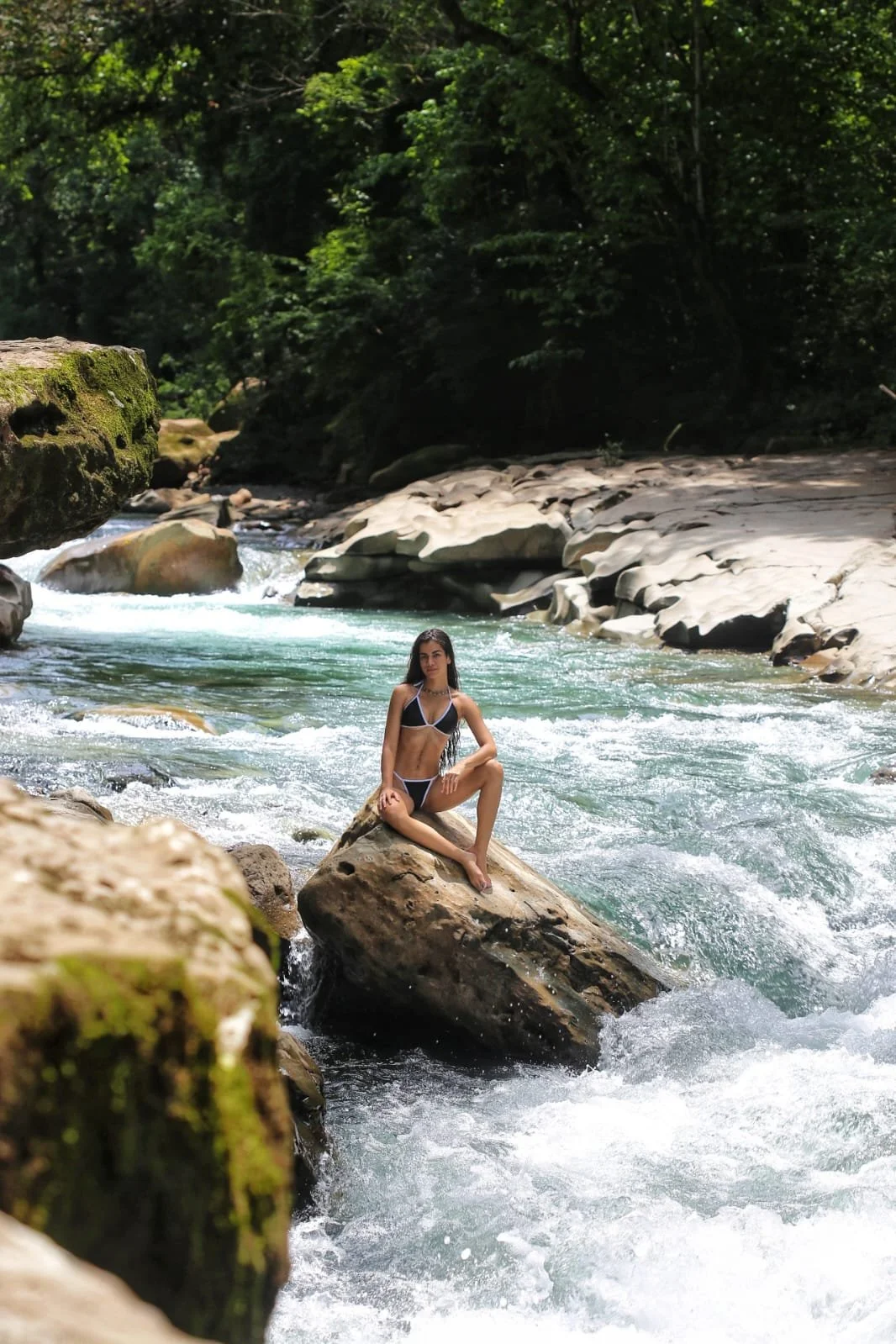
Perhaps the greatest budget travel advantage Panama offers is the incredible number of natural attractions that can be enjoyed for little or no cost. Many travelers arrive expecting to spend money every day on tours and activities. In reality, some of the country's most memorable experiences are completely free. Walking along a deserted beach at sunset costs nothing. Watching waves crash against the Pacific coast costs nothing. Exploring public parks costs little or nothing. Hiking trails, scenic viewpoints, wildlife watching, river swimming, and simply spending time outdoors often provide better memories than expensive excursions. Panama rewards travelers who appreciate nature.
This is where many budget travelers discover one of the most important strategies of all: seek out destinations where the attractions are built into the location itself. Instead of staying somewhere that requires paying for transportation and tours every day, choose places where nature is already at your doorstep. A perfect example is Lost and Found Hostel. Many travelers originally stop there simply to break up the journey between Panama City and Bocas del Toro, but they quickly realize that the property itself provides extraordinary value. Surrounded by cloud forest, wildlife, hiking trails, mountain scenery, and nature, it offers days of entertainment without requiring travelers to spend money constantly. Guests can hike trails, explore the surrounding forest, enjoy viewpoints, watch birds and wildlife, participate in hostel activities, relax in hammocks overlooking the mountains, and spend entire days immersed in nature. Instead of paying for expensive transportation to reach attractions, the attractions are already there. For budget travelers, this is exactly the kind of destination that provides exceptional value because every day offers opportunities for adventure without requiring a constant stream of spending.
The same principle applies throughout Panama. Some of the best travel experiences involve utilizing natural spaces, public areas, and destinations that do not charge significant fees. Public beaches, coastal walks, forest trails, rivers, waterfalls, viewpoints, and community parks can provide hours of entertainment while costing little or nothing. Travelers who build their itineraries around these experiences often discover that they are not sacrificing anything. In many cases, they are having a richer and more authentic experience than travelers spending heavily on commercial activities every day.
Bocas del Toro deserves special mention because it can either be one of the most affordable destinations in Panama or one of the most expensive. The difference comes down to lifestyle choices. Travelers who eat every meal at beachfront restaurants, take private boat transportation frequently, and spend heavily on nightlife can quickly see costs add up. On the other hand, travelers who stay in hostels with kitchens, cook some meals, walk when possible, and balance paid activities with free beach days often discover that Bocas can be surprisingly manageable on a budget. The islands themselves provide endless opportunities for relaxation, swimming, beach exploration, and enjoying the Caribbean atmosphere without constantly spending money.
Even Panama City, often viewed as the country's most expensive destination, offers plenty of opportunities for budget conscious travelers. The metro system provides affordable transportation across much of the city. Walking through historic neighborhoods, exploring waterfront areas, visiting public spaces, and simply enjoying the urban energy can fill entire days without major expenses. Budget travelers quickly learn that enjoying a city does not necessarily require spending large amounts of money.
Ultimately, the real secret to budget travel in Panama is understanding that spending less does not mean experiencing less. In many cases, the opposite is true. Travelers who use public transportation see more of the country. Travelers who stay longer in destinations develop deeper connections. Travelers who cook occasionally can afford longer adventures. Travelers who choose hostels with kitchens save money while meeting other travelers. Travelers who seek out natural attractions often discover experiences that feel more meaningful than expensive tours. Travelers who utilize free parks, beaches, hiking trails, viewpoints, and destinations such as Lost and Found Hostel gain access to some of the country's greatest treasures without constantly opening their wallets.
Panama is one of those rare places where a modest budget can still deliver an extraordinary adventure. With a little planning, a willingness to travel like locals do, and an appreciation for the country's incredible natural beauty, it is possible to spend weeks or even months exploring mountains, beaches, islands, forests, cities, and wildlife while keeping costs surprisingly low. The travelers who get the most from Panama are rarely the ones spending the most money. They are the ones who understand that every dollar saved can become another day on the road, another destination explored, another trail hiked, another beach discovered, and another unforgettable chapter in the adventure.