
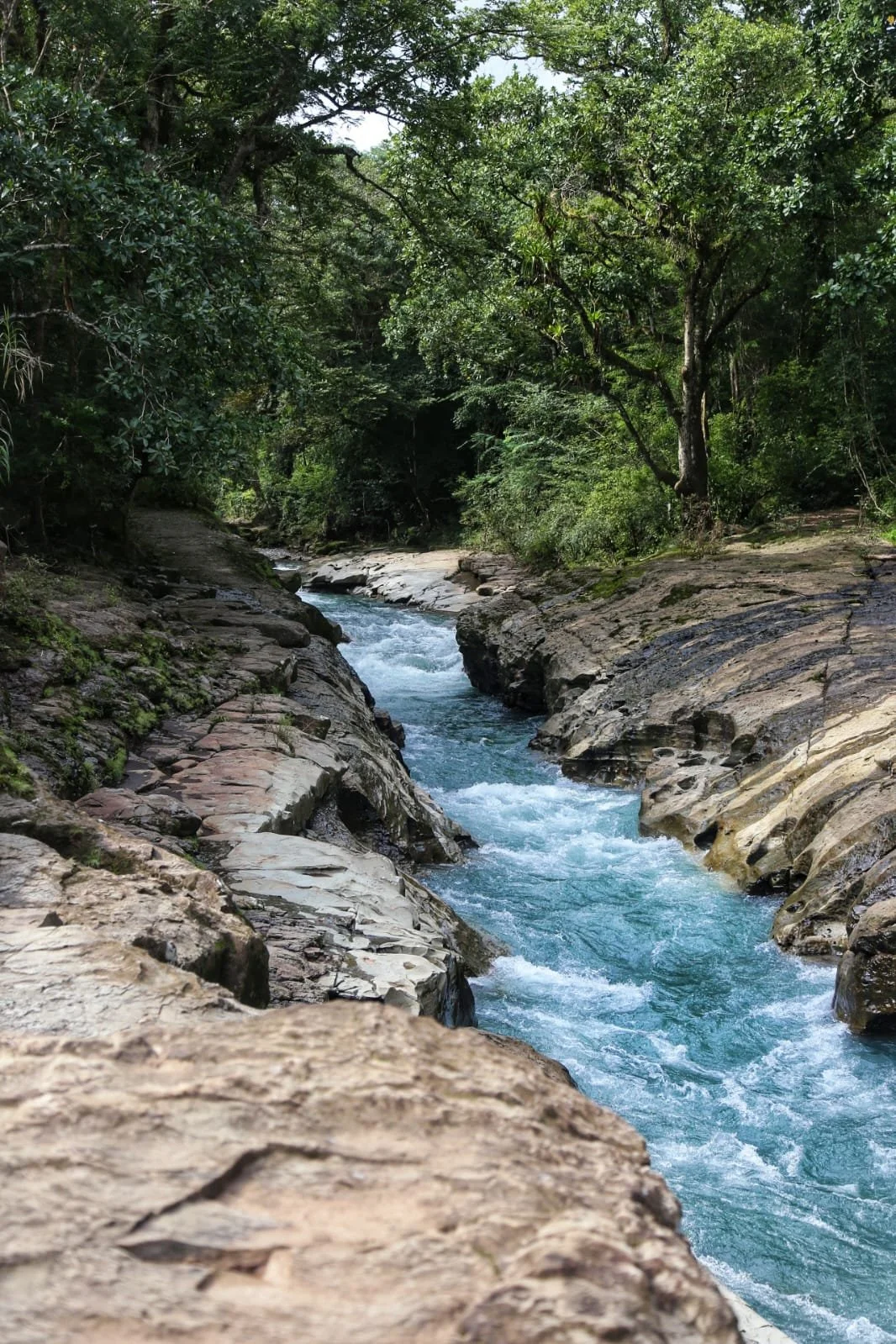
Hidden high in the misty mountains between Boquete and Bocas del Toro, surrounded by thousands of acres of protected cloud forest, Lost and Found Hostel sits in one of the most wildlife-rich regions in all of Central America. Many travelers arrive expecting incredible views, jungle trails, and a social atmosphere, only to discover that they have stumbled into a living wildlife documentary. Every walk to the bathroom, every hike to a viewpoint, every night safari, and every morning coffee can become an unforgettable encounter with creatures that many people spend years hoping to see in the wild.
Unlike destinations where wildlife exists somewhere far away in a national park that requires expensive tours and transportation, the animals around Lost and Found Hostel are part of everyday life. The forest begins immediately outside the hostel. Birds sing from the trees above the cabins. Mammals move through the jungle at dawn and dusk. Strange insects emerge after sunset. Tiny hummingbirds dart through gardens while mysterious nocturnal creatures roam the forest under cover of darkness. The combination of elevation, climate, protected habitat, and relatively low human disturbance has created a remarkable sanctuary for wildlife that continues to surprise visitors year after year.
White-Faced Monkeys: The Forest Acrobats
One of the most exciting wildlife encounters around Lost and Found Hostel is spotting a troop of white-faced capuchin monkeys moving through the canopy. These highly intelligent primates are among the most charismatic animals in Panama. They travel in social groups, communicating constantly through calls, chirps, and body language as they search for fruits, insects, eggs, and small animals.
Watching a troop move through the cloud forest is like witnessing a perfectly coordinated aerial circus. Individuals leap between branches with astonishing confidence while juveniles chase each other through the treetops. Their curiosity often brings them close enough for visitors to observe their expressive faces and remarkably human-like behaviors. Capuchins are known throughout the Americas for their intelligence, problem-solving skills, and ability to use simple tools. Around the hostel they are often heard before they are seen, with crashing branches and excited chatter echoing through the forest canopy.
Sloths: The Masters of Slow Living
Few animals capture the imagination quite like sloths. These gentle tree dwellers embody the relaxed pace of the tropical forest. While they can be difficult to spot because of their incredible camouflage, patient observers are often rewarded with sightings around the hostel grounds and surrounding trails.
A sloth may spend hours appearing almost motionless in a single tree, blending perfectly with moss-covered branches and cloud forest vegetation. Their slow movements help conserve energy and avoid detection by predators. Although many people assume sloths are lazy, they are actually highly specialized animals perfectly adapted to a life in the treetops. Spotting one often becomes a highlight of a visitor's stay because it feels like discovering a hidden secret of the forest.
Peccaries: The Jungle's Wild Pigs
The forests surrounding Lost and Found are home to peccaries, fascinating relatives of pigs that travel through the jungle in family groups. These sturdy animals spend much of their time searching for fruits, roots, seeds, and fallen vegetation among the forest floor.
A group of peccaries moving through dense vegetation can be surprisingly noisy. Rustling leaves, snapping twigs, and occasional grunts announce their presence. Although they may look similar to wild pigs, peccaries belong to a completely different family and have evolved unique adaptations for life in tropical forests. Seeing them in the wild offers a glimpse into one of the most important ecological roles in the jungle, as they help disperse seeds and shape forest growth through their feeding habits.
Deer: Silent Ghosts of the Cloud Forest
Many visitors are surprised to learn that deer inhabit these mountains. Several species occur in Panama, and the forests around the hostel provide ideal habitat for these elusive herbivores. Deer are most often encountered during the early morning or near sunset when they emerge to feed.
Unlike the dramatic wildlife spectacles of Africa, cloud forest deer encounters are often quiet and fleeting. A movement among the trees, a glimpse of ears above vegetation, or a brief moment of eye contact before the animal disappears back into the forest can create a powerful memory. Their ability to move silently through dense vegetation makes every sighting feel special.
Cacomistles: The Rare Forest Mysteries
Among the least-known mammals around Lost and Found Hostel are cacomistles. These fascinating nocturnal relatives of raccoons are exceptionally agile climbers and spend much of their lives high in the trees. Most visitors never even know they are nearby.
With their long tails, large eyes, and secretive habits, cacomistles seem perfectly designed for life in the nighttime cloud forest. They emerge after dark to hunt insects, small animals, fruits, and eggs. Spotting one during a night safari is considered a special wildlife experience because of how elusive they are.
Olingos: The Hidden Fruit Lovers
Olingos are another nocturnal treasure of the cloud forest. These small tree-dwelling mammals are rarely seen during the day but become active after sunset as they move through the canopy searching for fruit, nectar, and insects.
Their large eyes help them navigate the darkness while their agile bodies allow them to travel effortlessly among branches. Olingos are often mistaken for kinkajous, but they belong to a different branch of the raccoon family and possess their own unique behaviors. Nighttime visitors who scan the trees carefully with flashlights occasionally discover glowing eyes staring back from the canopy above.
Kinkajous: The Honey Bears of the Jungle
Kinkajous are among the most beloved nocturnal animals in Panama. Often called honey bears despite not being bears at all, these remarkable mammals are highly adapted to life in the treetops. Their prehensile tails function almost like a fifth limb, helping them balance while climbing.
At night they emerge to feed on fruit, nectar, and insects. Their long tongues allow them to reach deep into flowers, making them important pollinators. Seeing a kinkajou move through the canopy under moonlight is one of the most magical wildlife experiences available around Lost and Found Hostel. Their playful appearance and large eyes make them seem almost mythical.
Porcupines: Unexpected Tree Climbers
Many people are surprised to learn that tropical porcupines spend much of their lives in trees. Unlike their North American relatives, these cloud forest porcupines are skilled climbers that move through the canopy searching for leaves, bark, fruits, and shoots.
Their protective quills provide excellent defense against predators. During night walks, careful observers occasionally discover a porcupine perched high in a tree, quietly feeding while ignoring the excitement below. Such encounters often become favorite memories because few travelers expect to find porcupines in a tropical cloud forest.
Armadillos: Living Fossils
Armadillos look like creatures from another era, and in many ways they are. These armored mammals have survived for millions of years using a strategy that has changed very little. They spend much of their time digging for insects, larvae, and other small invertebrates hidden beneath the soil.
Around Lost and Found Hostel, armadillos are most active during cooler hours and after dark. Their armor-like shells, powerful claws, and determined digging behavior make them fascinating animals to observe. Watching one root through the forest floor feels like stepping back into prehistoric times.
Squirrels: The Constant Entertainers
Not all wildlife around the hostel is elusive. Squirrels are common and frequently observed racing through the trees. Tropical squirrels often display striking colors and energetic personalities that keep visitors entertained throughout the day.
They serve as important seed dispersers and contribute to the health of the forest ecosystem. While they may not attract as much attention as monkeys or sloths, their constant activity adds life and movement to the jungle environment.
Hummingbirds Everywhere
One of the most unforgettable aspects of Lost and Found Hostel is the sheer abundance of hummingbirds. These tiny jewels of the cloud forest seem to be everywhere. Visitors often find themselves surrounded by hummingbirds feeding from flowers, hovering beside trails, or darting through the gardens.
Some species flash brilliant greens, blues, purples, and reds when sunlight catches their feathers. Others produce distinctive wing sounds as they zoom past at incredible speeds. Despite their tiny size, hummingbirds are among the most extraordinary birds on Earth, capable of hovering, flying backward, and beating their wings dozens of times every second.
The Incredible Diversity of Cloud Forest Birds
Birdwatchers quickly discover that the forests around Lost and Found are a paradise. The cloud forest ecosystem supports a spectacular variety of species ranging from colorful tanagers and flycatchers to woodpeckers, toucans, wrens, hawks, and warblers.
Even travelers with no interest in birdwatching often become fascinated after a few days. Every morning begins with a natural symphony as dozens of species greet the sunrise. Brightly colored birds appear around fruiting trees while others forage among moss-covered branches. The cloud forest's combination of altitude and moisture creates ideal conditions for an astonishing range of avian life.
Agoutis: The Forest Gardeners
Agoutis are among the most commonly encountered mammals around the hostel. These medium-sized rodents resemble oversized guinea pigs with long legs and remarkable speed. Although they may appear ordinary at first glance, they play a critical role in maintaining healthy forests.
Agoutis bury seeds as food reserves and frequently forget where they placed them. Many tropical trees depend on this behavior for regeneration. Every agouti moving through the forest is unknowingly planting future generations of cloud forest trees.
Ocelots: The Rare Phantom Cats
Perhaps no animal captures the imagination more than the ocelot. These stunning wild cats inhabit the forests around Lost and Found, although sightings are exceptionally rare. Most visitors will never see one, but knowing they are there adds a sense of mystery to every hike.
An ocelot combines the beauty of a leopard with the stealth of a ghost. Their spotted coats blend perfectly into dappled forest light, allowing them to move unseen through dense vegetation. Camera traps and occasional sightings confirm their presence in the region, reminding visitors that this is still a truly wild landscape.
Snakes: Misunderstood Residents of the Forest
The cloud forests surrounding the hostel are home to a variety of snake species. While some people feel nervous about snakes, they are an essential part of the ecosystem and help control populations of rodents and other prey animals.
Most snakes prefer to avoid humans and disappear long before they are noticed. Many species are harmless, beautifully patterned, and fascinating to observe from a respectful distance. For wildlife enthusiasts, encountering a snake in its natural habitat is often a memorable part of exploring the cloud forest.
Tarantulas on Night Safaris
When darkness falls, an entirely different world emerges. One of the highlights of guided night walks is the opportunity to search for tarantulas. These large spiders often inspire fear, but observing them in the wild reveals how fascinating they truly are.
Tarantulas spend much of their lives hidden in burrows or sheltered locations. During night safaris, their eyes sometimes reflect flashlight beams, making them easier to spot. Watching a tarantula move through the forest floor demonstrates just how diverse and complex tropical ecosystems really are.
Leaf Cutter Ants: The Engineers of the Jungle
No discussion of wildlife around Lost and Found Hostel would be complete without mentioning leaf cutter ants. These remarkable insects create some of the most impressive spectacles in the forest.
Visitors frequently encounter long lines of ants carrying perfectly cut pieces of leaves overhead like tiny green sails. At first glance it appears they are eating the leaves, but the truth is even more remarkable. The ants use the leaves to cultivate underground fungus gardens that serve as their primary food source. In essence, leaf cutter ants developed agriculture millions of years before humans did.
Watching thousands of ants cooperate with extraordinary efficiency provides one of the best lessons in the complexity of nature. Entire colonies function like living superorganisms, with workers, soldiers, gardeners, and specialized roles all contributing to the success of the colony.
A Living Wildlife Sanctuary
What makes Lost and Found Hostel so special is not merely the presence of one or two impressive species. It is the extraordinary diversity of life that exists all around it. In a single day, visitors might wake to hummingbirds hovering outside their cabin, hear monkeys calling from the canopy, spot agoutis along a trail, discover colorful birds in the forest, and finish the evening by searching for tarantulas, kinkajous, and olingos under the stars.
Few places in Panama offer such immediate access to authentic cloud forest wildlife. The surrounding mountains remain wild, vibrant, and full of surprises. Every trail holds the possibility of discovery. Every night brings a new cast of creatures. Every morning begins with the sounds of a living forest. For travelers seeking more than just a place to sleep, Lost and Found Hostel offers something far rarer: the chance to become part of one of Panama's most extraordinary wildlife experiences.