
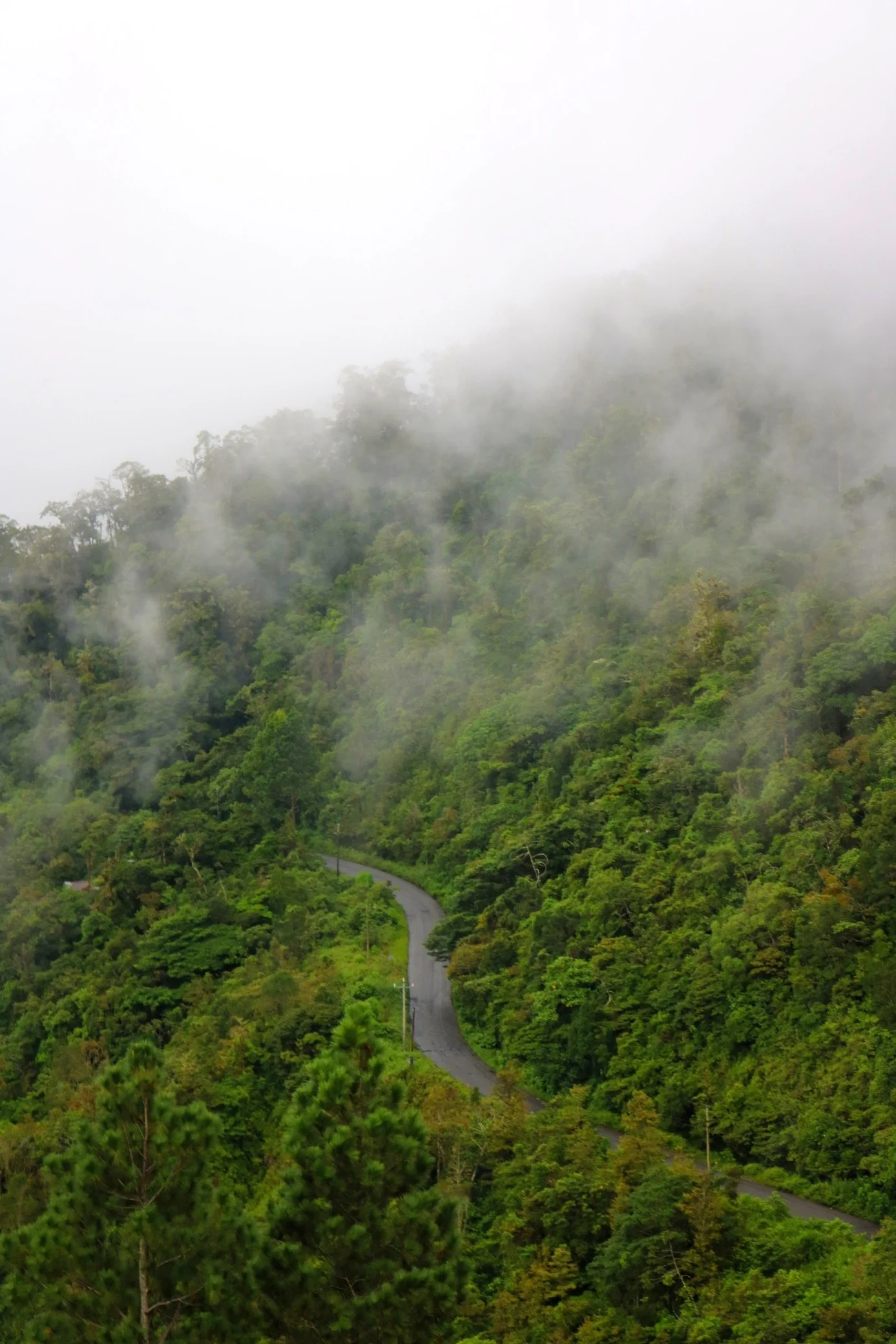
For decades, travelers planning a Central American adventure have faced the same question: should they spend more time in Panama or Costa Rica? At first glance the two countries seem remarkably similar. Both are tropical nations connecting North and South America. Both boast incredible biodiversity, lush rainforests, volcanic mountains, beautiful coastlines, and abundant wildlife. Both are considered among the safest and most developed destinations in the region.
Yet the longer one travels through them, the more their differences emerge. Costa Rica is polished, famous, and internationally celebrated. Panama is less understood, more diverse in some ways, and often more surprising. Costa Rica tends to dominate travel magazines and nature documentaries, while Panama quietly hides extraordinary experiences that many tourists never discover.
The truth is that neither country is objectively better. The more interesting question is how long a traveler might realistically want to spend in each and what type of traveler benefits most from one over the other.
The Typical First Time Visitor
A first time visitor to Costa Rica often plans a trip lasting between ten days and three weeks. This usually feels sufficient to experience the country's major highlights. A traveler might divide time between the cloud forests around Monteverde, the volcanoes near La Fortuna, Pacific beaches such as Tamarindo, and perhaps a rainforest destination like Corcovado National Park.
Costa Rica is compact enough that many of its iconic experiences can fit comfortably into a two week itinerary. After three weeks, many travelers begin revisiting similar environments. They may see another rainforest, another beach, another volcano, another wildlife reserve. While each destination has its own character, the overall travel experience begins to feel familiar.
Panama often produces a different effect. A traveler may arrive expecting a week or two and discover that the country contains far more variety than anticipated. One could spend time in the modern skyline of Panama City, then explore the colonial streets of Casco Viejo, travel to the Caribbean islands of Bocas del Toro, visit the cloud forests of Boquete, hike near Volcán Barú, explore the indigenous territories of the Caribbean coast, venture into the remote wilderness of Darién, or surf along the Pacific shores of Santa Catalina.
Because Panama combines urban, cultural, historical, and natural attractions more extensively than Costa Rica, many long term travelers find themselves staying longer than planned.
The Wildlife Question
Costa Rica has earned its reputation as a wildlife powerhouse. It is one of the easiest places on Earth to see monkeys, sloths, toucans, macaws, poison dart frogs, and countless other species. The tourism industry is highly developed around wildlife viewing. Trails are maintained, guides are abundant, and visitors often see remarkable animals with relatively little effort.
For travelers whose primary goal is checking wildlife off a list, Costa Rica often wins.
Yet Panama presents a fascinating counterargument.
Panama possesses extraordinary biodiversity because it sits at the crossroads of two continents. Species from North and South America intermingle here in ways that occur almost nowhere else. In some regions of Panama, wildlife densities can rival or exceed those found in Costa Rica. The difference is that seeing them often requires more patience, more exploration, and a greater willingness to leave the tourist trail.
Places such as Soberanía National Park, Coiba National Park, and the forests surrounding Boquete offer spectacular opportunities for wildlife enthusiasts. The sense of discovery can feel greater because there are fewer crowds competing for the same sightings.
Costa Rica may provide easier wildlife viewing. Panama often provides a stronger feeling of wilderness.
Beaches and Islands
This comparison becomes surprisingly complicated.
Costa Rica possesses magnificent beaches, especially along the Pacific coast. Places like Tamarindo, Santa Teresa, Dominical, and Manuel Antonio have become legendary among surfers and beach lovers.
Yet Panama may actually have the greater variety of coastal experiences.
The Caribbean archipelago of Bocas del Toro offers crystal clear water, coral reefs, island hopping, and a relaxed atmosphere that feels completely different from Costa Rica's Pacific beach towns. The indigenous islands of the San Blas Islands provide one of the most unique cultural and beach experiences in the Americas. Meanwhile, Panama's Pacific coast contains everything from surfing villages to whale watching destinations and remote islands.
Many travelers arrive expecting Costa Rica to dominate the beach category and leave surprised by how competitive Panama actually is.
The Cost Factor
For budget travelers, this may be the single biggest difference.
Costa Rica has become one of Latin America's most expensive destinations. Its popularity is both a blessing and a curse. Excellent infrastructure, environmental protection, and tourism services have contributed to rising prices across much of the country.
Hostels, tours, transportation, restaurant meals, and park entrances frequently cost more than visitors expect.
Panama is not exactly cheap, particularly in Panama City, but travelers generally find their money stretches further. Accommodation options are often more affordable. Local transportation is inexpensive. Meals can be significantly cheaper outside major tourist zones.
For someone backpacking Central America for several months, the difference can add up dramatically.
Many travelers discover they can spend an extra week or two in Panama for the same cost as a shorter stay in Costa Rica.
Adventure and Accessibility
Costa Rica excels at making adventure accessible.
Want to zipline through cloud forests? There are dozens of operators.
Want to raft, canyon, hike, surf, or rappel down waterfalls? Everything is organized, insured, and easy to book.
This convenience is one of Costa Rica's greatest strengths.
Panama's adventures often feel less packaged. Reaching some destinations requires more planning. Transportation can be slower. Infrastructure may be less developed.
Yet many experienced travelers see this as a benefit rather than a drawback.
The feeling of discovering a place rather than consuming a carefully curated attraction remains one of Panama's strongest appeals.
Culture and History
This is where Panama often pulls ahead.
Costa Rica is famous for nature, but many travelers struggle to identify major historical landmarks after visiting. The country's appeal is overwhelmingly environmental.
Panama offers a broader cultural menu.
The story of the Panama Canal alone provides enough historical significance to occupy days of exploration. Add indigenous cultures, Spanish colonial history, Afro Caribbean traditions, modern international influences, and one of the most cosmopolitan cities in Latin America, and the cultural depth becomes remarkable.
A traveler spending a month in Panama can experience dramatically different cultural environments without ever leaving the country.
The Long Term Traveler's Perspective
Perhaps the most interesting distinction emerges among travelers who spend months rather than weeks on the road.
Costa Rica tends to make an incredible first impression. The scenery is stunning. Wildlife appears everywhere. Infrastructure is excellent. The country feels welcoming and easy to navigate.
Panama often grows on people gradually.
The first week may seem less spectacular. The second week reveals hidden layers. By the third or fourth week many travelers begin discovering why long term visitors often speak so passionately about the country.
Panama rewards curiosity. Costa Rica rewards efficiency.
Costa Rica impresses quickly. Panama reveals itself slowly.
How Long Should You Spend?
If you only have ten days, Costa Rica may provide a greater concentration of instantly recognizable highlights.
If you have two weeks, either country can fill your itinerary comfortably.
If you have a month, the balance begins shifting toward Panama because of its diversity of experiences, lower costs, and broader cultural range.
If you are a backpacker with no fixed schedule, many travelers discover something unexpected: they arrive in Panama expecting a brief stop and end up staying far longer than planned.
The Final Verdict
Costa Rica is the superstar of Central American tourism. It is polished, beautiful, environmentally conscious, and exceptionally easy to travel. For wildlife enthusiasts, adventure seekers, and first time visitors to the region, it remains one of the finest destinations in the world.
Panama, however, may be Central America's most underrated giant. It offers beaches, islands, mountains, wildlife, indigenous cultures, colonial history, modern urban life, world famous engineering marvels, and some of the region's most surprising hidden corners. It often costs less, receives fewer crowds, and rewards travelers who enjoy wandering beyond the obvious.
The irony is that many travelers spend weeks planning a trip to Costa Rica while treating Panama as an afterthought. Those who do often discover that Costa Rica gave them exactly what they expected, while Panama gave them far more than they imagined.
And that may be the greatest difference between the two countries. Costa Rica excels at fulfilling expectations. Panama excels at exceeding them.