
When most travelers think about Panama's protected areas, a handful of famous names immediately come to mind. The lush cloud forests of Volcán Barú National Park, the wildlife-rich islands of Coiba National Park, and the monkey-filled forests of Soberanía National Park attract the majority of nature enthusiasts. These parks have become staples of travel guides and wildlife documentaries. Yet beyond the famous destinations lies another Panama, one that few visitors ever experience.
This hidden Panama consists of remote national parks, little-known forest reserves, forgotten mountain ranges, and enormous wilderness areas that receive only a tiny fraction of the visitors found in the country's tourism hotspots. Some see only a handful of foreign travelers each year. Others are so remote that even many Panamanians have never heard of them. Together they protect some of the most pristine ecosystems in Central America and offer a glimpse into what Panama looked like long before highways, cities, and canals transformed the landscape.
Cerro Hoya National Park: Panama's Lost Peninsula Wilderness
Perhaps no national park better represents Panama's forgotten wild side than Cerro Hoya National Park.
Located at the southern tip of the Azuero Peninsula, Cerro Hoya feels almost disconnected from the rest of the country. While much of the peninsula has been converted into cattle pasture and farmland over centuries, Cerro Hoya protects one of the last great remnants of the original forests that once covered the region.
The park contains a remarkable combination of ecosystems. Dense tropical rainforest rises from isolated Pacific beaches toward mist-covered mountains. Rivers tumble through deep valleys where jaguars, pumas, ocelots, and countless bird species still survive. The mountains create their own weather systems, generating clouds and moisture that support forests unlike anything else in the surrounding dry landscapes.
Getting there is not easy. Rough roads, river crossings, and long travel times discourage most visitors. Those who make the journey often find themselves completely alone in wilderness that feels untouched by modern tourism. In some areas it is possible to hike all day without encountering another person.
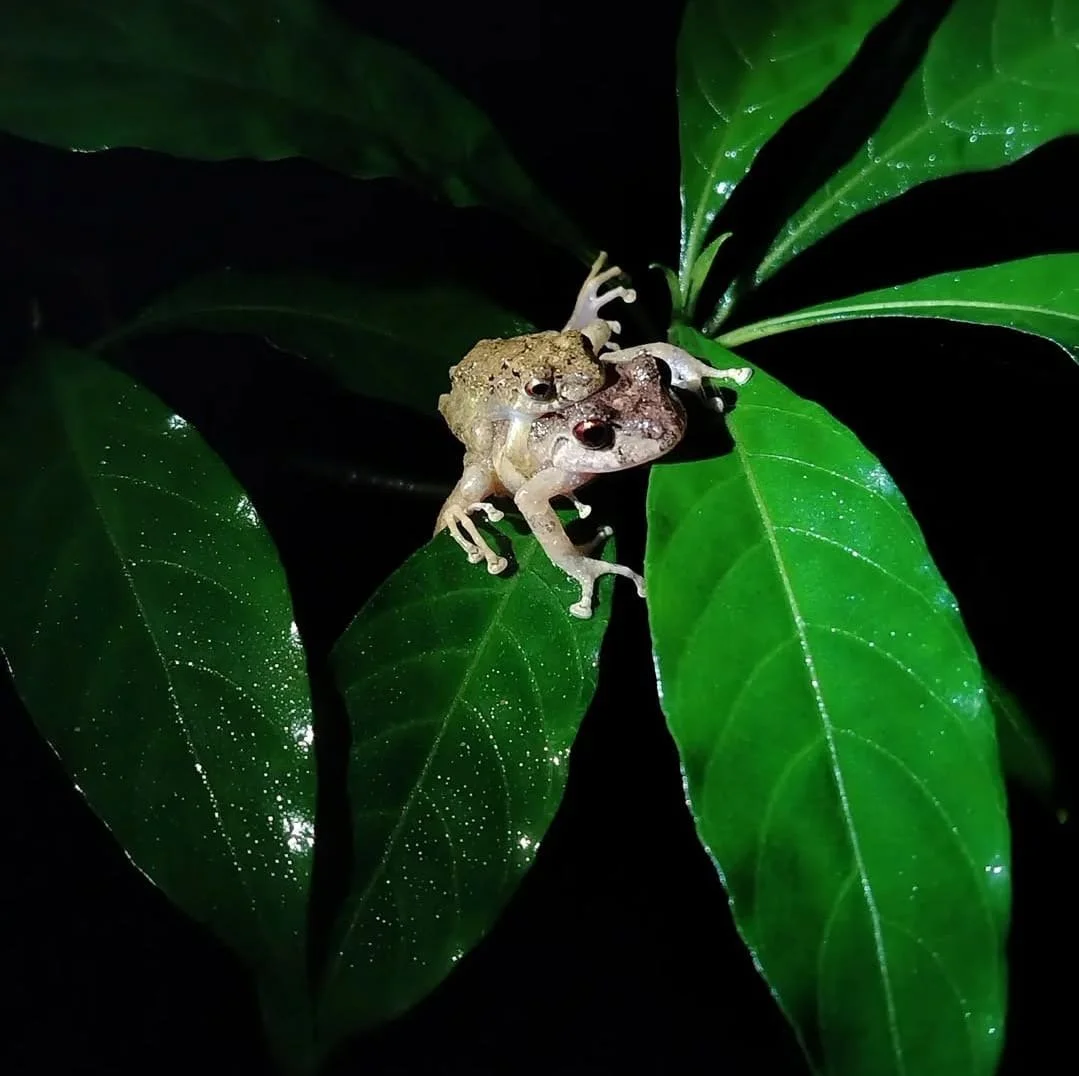
The isolation has helped preserve an atmosphere that is increasingly rare in the modern world. At night there are no city lights, no traffic noise, and no crowds. Only the sounds of insects, frogs, and distant waves breaking along the Pacific coast.
Darién National Park: The Wilderness That Few Dare Explore
When discussing remote protected areas in Panama, it is impossible not to mention Darién National Park.
Although it is internationally famous among conservationists, very few tourists ever visit. The park is immense, covering more than half a million hectares of rainforest, mountains, rivers, and swamps. It forms part of the legendary Darién Gap, the only break in the Pan-American Highway between Alaska and Argentina.
This is one of the wildest places in the Western Hemisphere. Jaguars roam vast territories. Harpy eagles soar above the canopy. Tapirs move through muddy forest trails. Indigenous communities including the Emberá and Wounaan maintain cultural traditions that stretch back centuries.
The park's reputation for remoteness is well deserved. Reaching many parts requires boats, local guides, and substantial planning. The result is that enormous areas remain virtually untouched by tourism.
For wildlife enthusiasts, however, the rewards can be extraordinary. Few places in Central America offer such an authentic rainforest experience. Here the forest still dominates the landscape rather than existing as isolated fragments.
Santa Fe National Park: The Cloud Forest Nobody Talks About
Many travelers visit Chiriquí's cloud forests but overlook the equally beautiful forests of Santa Fe National Park.
Located in the mountains of Veraguas Province, this park protects cool forests filled with orchids, moss-covered trees, waterfalls, and crystal-clear streams. The region experiences a completely different climate from Panama's coastal lowlands.
The nearby town of Santa Fe has become popular with a small community of hikers, birdwatchers, and nature lovers, yet the national park itself remains remarkably quiet. Trails often pass through forests where the only sounds are birdsong and rushing water.
Wildlife includes sloths, monkeys, agoutis, toucans, and hundreds of bird species. The cool temperatures make hiking especially pleasant compared with the humid lowland jungles found elsewhere in the country.
Many visitors who discover Santa Fe leave wondering why it remains so overlooked when compared with better-known destinations.
La Amistad International Park: The Endless Mountains
Shared between Panama and Costa Rica, La Amistad International Park is one of the largest protected areas in Central America.
Despite its global significance, relatively few people ever venture deep into its Panamanian side. The park encompasses enormous mountain ranges, cloud forests, alpine grasslands, rivers, and valleys.
The terrain is rugged beyond imagination. Some valleys remain so difficult to access that biological discoveries continue to occur. Scientists regularly find species that are rare, poorly understood, or completely new to science.
The forests are among the most biodiverse on Earth. Resplendent quetzals, harpy eagles, jaguars, and countless amphibians inhabit these mountains.
For adventurous hikers, La Amistad offers perhaps the closest thing to true wilderness trekking in Panama. Multi-day journeys can traverse landscapes that appear almost unchanged since pre-Columbian times.
Fortuna Forest Reserve: The Secret Behind Panama's Electricity
Not far from popular mountain destinations lies the lesser-known Fortuna Forest Reserve.
Most people pass nearby without realizing they are entering one of the country's most important ecological areas. The reserve protects cloud forests that capture enormous quantities of moisture from passing clouds.
These forests function like giant natural water towers. The water they collect helps feed hydroelectric systems that provide energy across Panama. Without these forests, the country's water resources would be significantly diminished.
Fortuna is also a paradise for birdwatchers. Rare highland species thrive in the cool, wet conditions. The scenery often alternates between sunshine and swirling fog within minutes.
Because the reserve lacks the name recognition of neighboring attractions, visitor numbers remain relatively low despite its ecological importance.
San San Pond Sak Wetlands: The Forgotten Caribbean Treasure
Protected areas are not always forests. One of Panama's least appreciated reserves is San San Pond Sak Wetland.
Located near the border with Costa Rica, this complex of wetlands, mangroves, beaches, and lagoons supports extraordinary biodiversity. Sea turtles nest along its beaches. Manatees swim through sheltered waters. Countless migratory birds depend on its habitats.
The reserve receives far fewer visitors than nearby Caribbean destinations. Most travelers head directly to island beaches, bypassing one of the country's most important wildlife areas.
For nature photographers and birdwatchers, however, the wetlands provide opportunities that rival some of the best wildlife destinations in Central America.
The Forest Reserves Nobody Visits
Beyond the national parks lies an entire network of forest reserves that rarely appear in tourism brochures.
Areas such as Majé Forest Reserve, Chepigana Forest Reserve, and La Yeguada Forest Reserve quietly protect watersheds, wildlife corridors, and remaining tracts of native forest.
These reserves may not have visitor centers, souvenir shops, or organized tours. In many cases they exist primarily for conservation rather than recreation. Yet they often preserve habitats every bit as valuable as those found inside national parks.
Scientists, birdwatchers, and conservationists frequently know these places far better than ordinary tourists.
Why These Places Matter
The least visited protected areas often play the most important ecological roles.
Popular parks receive attention, funding, and visitors. Remote reserves frequently operate in relative obscurity. Yet they protect critical habitats for endangered species, maintain water supplies, stabilize local climates, and preserve genetic diversity.
Some serve as wildlife corridors connecting larger protected areas. Others contain the last remaining examples of ecosystems that have disappeared elsewhere.
In an increasingly developed world, these forgotten landscapes act as reservoirs of wildness.
The Future of Panama's Hidden Parks
Panama has become one of the global leaders in conservation. Roughly a third of the country remains under some form of environmental protection. Yet the future of many lesser-known reserves depends on continued support and effective management.
Climate change, illegal logging, agricultural expansion, and infrastructure development create ongoing challenges. Protecting remote parks often requires significant resources despite their low visitor numbers.
Ironically, their lack of fame may be one of their greatest strengths. While popular destinations struggle with increasing tourism pressure, these hidden reserves remain quiet sanctuaries where ecosystems continue functioning much as they have for centuries.
For travelers willing to venture beyond the famous attractions, Panama's least visited national parks offer something increasingly difficult to find in the modern world: genuine wilderness. These are places where forests stretch to the horizon, where rivers still follow ancient courses, where wildlife remains abundant, and where silence itself becomes a rare and unforgettable experience.
In a country famous for connecting oceans and continents, these forgotten parks remind us that Panama's greatest treasure may not be its canal, its skyline, or even its beaches. It may be the vast, wild landscapes that most people never see.