
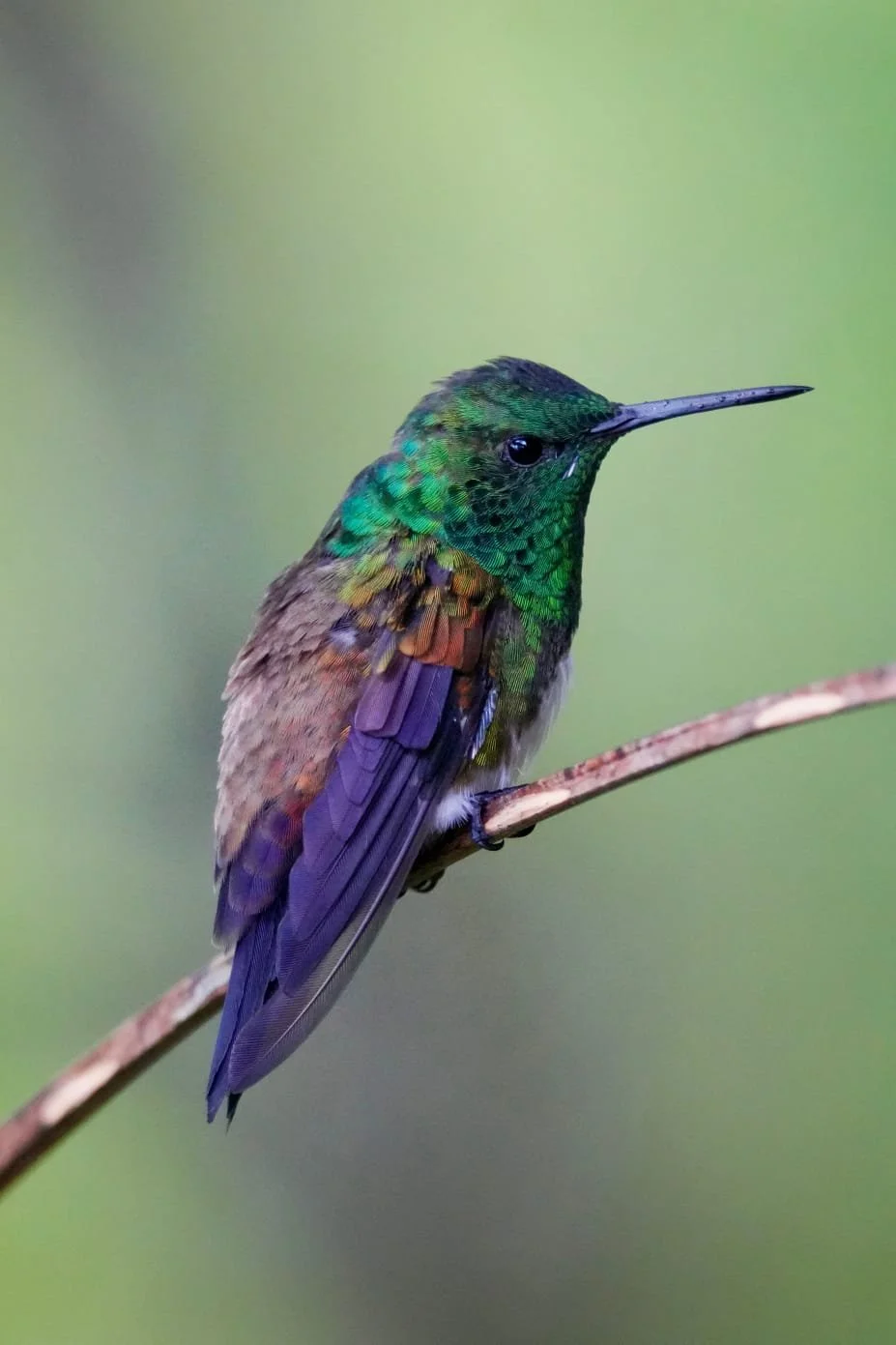
On the northern Caribbean side of Panama, in the province of Bocas del Toro, lies a place that many travelers pass by without stopping but few truly understand. That place is Chiriquí Grande. It is not a typical tourist town, nor is it designed for leisure travel. Instead, it is a working coastal hub shaped by shipping, pipelines, indigenous culture, rainforest geography, and its strategic position along Panama’s Caribbean corridor.
Chiriquí Grande is one of those places that reveals a very different side of Panama, far away from the beaches of Bocas Town or the highlands of Chiriquí. It is industrial, humid, green, remote in feeling, and deeply connected to both land and sea.
Geography and Setting Between Mountains and Caribbean Waters
Chiriquí Grande sits on the southern edge of the Chiriquí Lagoon, a large sheltered body of water connected to the Caribbean Sea. The town is positioned where dense rainforest mountains descend toward coastal wetlands and mangroves, creating a landscape that feels both rugged and aquatic at the same time.
The broader district stretches from inland highlands all the way to the coast, meaning the region includes:
Rainforest covered hills
River valleys and drainage systems
Coastal mangrove ecosystems
Lagoon and marine environments
This mix of environments makes Chiriquí Grande ecologically rich but also logistically challenging. Heavy rainfall is common throughout the year, and transportation often depends on both land and water routes.
The climate is typically tropical humid, with frequent rain, warm temperatures, and dense vegetation that grows quickly and aggressively in all directions.
A Town Built Around Strategic Infrastructure
Unlike many towns that grow around tourism or agriculture alone, Chiriquí Grande developed around its role as an industrial and logistical point.
One of the most important features of the town is its connection to the Petroterminal de Panamá infrastructure. The area serves as a key point in Panama’s energy transport system, including facilities linked to oil storage and pipeline operations that move energy resources across the country.
This gives Chiriquí Grande a very different identity from surrounding towns. Instead of hotels and beaches, the landscape includes:
Storage tanks and industrial facilities
Port infrastructure for cargo handling
Workforce housing and service areas
Transport corridors connecting coast and interior
The presence of this infrastructure means the town is economically important even if it is not widely known in tourism circles.
Population and Cultural Identity
Chiriquí Grande is part of a larger district that includes several corregimientos and a population of over ten thousand people spread across rural and semi urban zones.
One of the defining features of the region is its strong indigenous presence. The Ngäbe people form a major part of the population, along with other groups including mestizo communities, Afro Panamanian families, and migrants from other provinces.
This creates a cultural environment where:
Indigenous traditions remain highly visible
Spanish is widely spoken but not always exclusive
Rural lifestyles remain dominant outside town centers
Community networks are very important socially
Daily life is often shaped more by family ties, local geography, and regional employment than by formal urban structure.
Daily Life in Chiriquí Grande
Life in Chiriquí Grande is slower than in major cities but still structured around work and transport schedules. Because of its coastal and industrial role, many residents are connected either directly or indirectly to port activities, logistics, or public services.
A typical day might include:
Early morning movement related to work or transport
Local markets opening with fresh goods and basic supplies
Rain showers in the afternoon that shape daily routines
Evening social life centered around homes and small gathering points
There is not a strong tourist economy, so most businesses serve local needs rather than visitors. Small shops, informal food stalls, and service businesses make up the core of commerce.
Connection to the Broader Bocas del Toro Region
Chiriquí Grande is part of Bocas del Toro Province, but it feels quite different from the more famous island destinations in the province.
While places like Isla Colón attract tourism and surf culture, Chiriquí Grande is more connected to:
Logistics and transport routes
Energy infrastructure
Rural inland communities
Coastal industrial operations
It also plays a role as a gateway between the Caribbean coast and inland regions of Panama, especially for transport and goods moving between provinces.
Nature and Environment Around the Town
Despite its industrial importance, Chiriquí Grande is surrounded by rich natural environments. The Chiriquí Lagoon area is one of the most biodiverse coastal systems in the country, combining mangroves, freshwater inputs, and marine ecosystems.
Nearby ecosystems include:
Mangrove forests that support fish and bird life
Rainforest corridors extending inland
Coastal waters with fisheries and marine biodiversity
River systems flowing from the mountains
This creates a strong contrast between human infrastructure and natural wilderness, sometimes existing side by side within short distances.
Transportation and Accessibility
Chiriquí Grande is not the easiest place to access in Panama. The road network connects it to inland regions and other parts of Bocas del Toro, but travel can be affected by weather conditions due to heavy rainfall and terrain.
Transportation typically includes:
Road travel through mountainous and forested regions
Boat transport across coastal and lagoon areas
Regional bus and truck routes for goods and passengers
This relative isolation contributes to its unique identity as a working frontier town rather than a tourist destination.
Economy and Employment
The economy of Chiriquí Grande is built on a combination of industrial infrastructure, public services, and local commerce.
Key economic elements include:
Energy and pipeline operations
Port and logistics activity
Public administration and services
Small scale trade and markets
Fishing and coastal activities in surrounding areas
Employment opportunities are often tied to infrastructure, government services, or regional trade rather than tourism.
Challenges and Realities of Development
Like many remote industrial towns, Chiriquí Grande faces a set of ongoing challenges:
Dependence on a few major economic sectors
Limited diversification of industry
Heavy rainfall affecting infrastructure and transport
Geographic isolation from major urban centers
Balancing industrial activity with environmental protection
At the same time, its strategic location means it remains important for national infrastructure planning and regional connectivity.
Why Chiriquí Grande Matters
Chiriquí Grande is not a postcard destination, but it is a place that reveals an important layer of Panama’s reality. It shows how the country functions beyond tourism, beyond city skylines, and beyond famous landmarks.
It is a town where:
Industrial systems meet tropical nature
Indigenous communities live alongside modern infrastructure
Coastal geography shapes economic life
Remote geography still plays a national role
In many ways, understanding Chiriquí Grande helps you understand how Panama actually operates on the ground.
Conclusion: A Working Coastal Frontier in Panama
Chiriquí Grande is one of those places that does not try to impress visitors with attractions. Instead, it reflects something more grounded and real. It is a working town shaped by geography, industry, and community life.
In Chiriquí Grande, you see a version of Panama that is often overlooked but essential to how the country functions. And within Bocas del Toro Province, it stands as a reminder that not all important places are tourist destinations, and not all beauty is designed for visitors.
It is a place of rivers, rain, infrastructure, and quiet daily life, holding together a region that is far more complex than it first appears.