
Far off the Caribbean coast of Panama, beyond the mainland forests of Bocas del Toro and well away from the routes traveled by most visitors, rises an island so remote, so biologically unique, and so stunningly beautiful that it feels almost mythical. Surrounded by turquoise waters, coral reefs, white-sand beaches, and dense tropical forest, Isla Escudo de Veraguas is one of the most extraordinary places in Panama and arguably one of the most fascinating islands in all of Central America.
To reach Escudo de Veraguas is to journey into one of the country's last true wilderness frontiers. Located roughly 20 kilometers offshore in the Caribbean Sea, the island rises dramatically from the ocean like a forgotten world. For many travelers, the experience of arriving here feels less like visiting a destination and more like discovering a place that has somehow remained hidden from modern civilization.
Unlike many tropical islands that have been shaped by tourism and development, Escudo de Veraguas remains largely untouched. There are no major hotels, no busy beach towns, and no crowds. Instead, visitors encounter a landscape dominated by rainforest, coral reefs, mangroves, and beaches so pristine that they often appear untouched by human activity.
The first sight of the island is unforgettable. As boats approach through the brilliant blue waters of the Caribbean, the forested cliffs and beaches gradually emerge from the horizon. The sea shifts through shades of turquoise, emerald, and sapphire. Palm trees sway above white sand. Coral formations can often be seen beneath the crystal-clear surface. It is a scene that looks more like a remote Pacific atoll than a Caribbean island only a few hours from the Panamanian mainland.
One of the most fascinating aspects of Escudo de Veraguas is its geological history. Thousands of years ago, rising sea levels separated the island from the mainland. This isolation allowed plants and animals to evolve independently, creating a remarkable concentration of species found nowhere else on Earth.
Perhaps the most famous resident of the island is the legendary Pygmy Three-Toed Sloth. This tiny sloth is one of the rarest mammals in the world and exists only on Escudo de Veraguas. Smaller than its mainland relatives, the pygmy sloth has become a symbol of the island's extraordinary biodiversity and conservation importance.
The fact that an entire mammal species is found nowhere else on the planet instantly elevates Escudo de Veraguas into the ranks of globally significant wildlife destinations. For biologists and conservationists, the island is a living laboratory that provides valuable insights into evolution, isolation, and biodiversity.
Yet the pygmy sloth is only one part of a much larger ecological story. The island's forests support numerous reptiles, amphibians, birds, insects, and plant species that have adapted to this isolated environment. Every hectare of forest contributes to an ecosystem unlike any other in Panama.
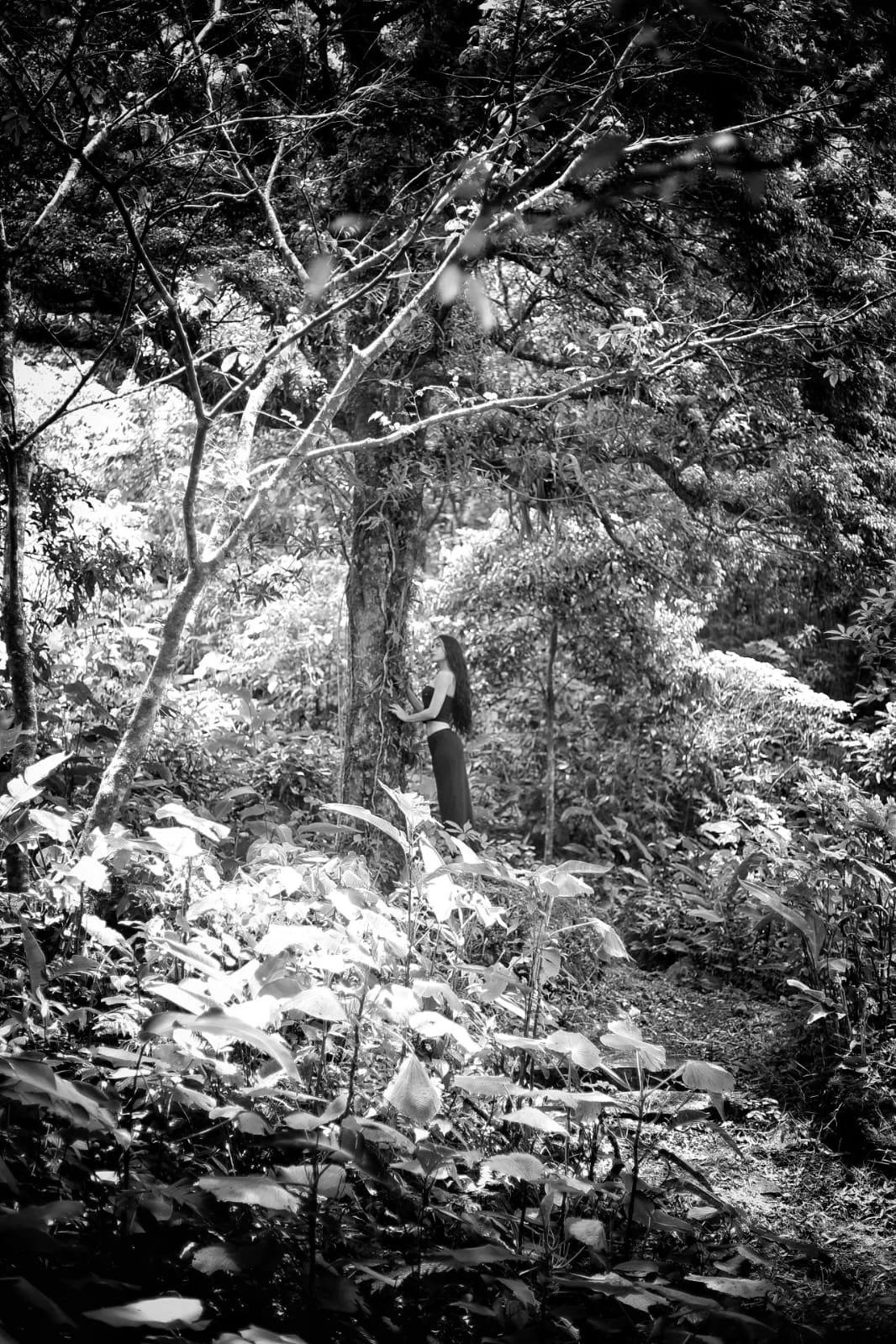
Walking through the island's interior feels like entering a primeval world. Massive trees tower overhead. Vines drape across the forest. Tropical birds call from hidden perches. The dense vegetation creates a sense of mystery and exploration that few places can match.
Because so few people visit Escudo de Veraguas compared to Panama's more accessible destinations, wildlife often behaves naturally and with relatively little disturbance. The result is an environment where patient visitors can observe ecological interactions that have remained largely unchanged for centuries.
The waters surrounding the island are equally extraordinary. Escudo de Veraguas sits within one of the richest marine environments in the Caribbean region of Panama. Coral reefs encircle much of the island, creating vibrant underwater ecosystems that support a tremendous variety of marine life.
Snorkelers often describe the waters around Escudo as some of the most beautiful in Panama. Coral formations host colorful reef fish, sea stars, sponges, crustaceans, and countless other organisms. Visibility can be excellent, allowing visitors to appreciate the complexity and beauty of the underwater world.
Sea turtles frequently inhabit the surrounding waters. Rays glide across sandy bottoms. Schools of fish move through coral gardens. Every snorkeling excursion offers the possibility of new discoveries.
The beaches themselves are spectacular. White sand stretches beneath coconut palms. Clear water laps gently against the shore. In many locations there are no buildings visible, no crowds, and no signs of development. Visitors can stand on a beach and feel as though they have arrived on a deserted island in the middle of the Caribbean.
The color of the water is one of Escudo's defining characteristics. Shallow areas glow with brilliant turquoise hues. Deeper channels shift toward rich blues. Sunlight illuminates the seabed, creating patterns that seem almost unreal. Photographs often struggle to capture the true intensity of the colors visible in person.
The island also has cultural significance for the local Ngäbe People, who have long maintained connections to the surrounding marine environment. For generations, communities along the nearby mainland coast have relied upon these waters for fishing and transportation. Their knowledge of the region forms an important part of the area's human history.
Because of its remoteness, reaching Escudo de Veraguas remains an adventure. Most journeys begin from small communities on the mainland coast of Bocas del Toro Province. Boats cross open Caribbean waters, often passing through stunning coastal scenery before the island finally appears on the horizon.
That journey contributes to the sense of discovery. Unlike destinations accessible by major highways or airports, Escudo requires effort. Visitors must actively seek it out. As a result, arriving on the island often feels genuinely rewarding.
For photographers, the island is a dream. The contrast between white sand, emerald forest, and turquoise sea creates endless opportunities for stunning images. Sunrise and sunset can be particularly dramatic as changing light transforms the colors of the landscape.
Marine photographers find equally compelling subjects beneath the surface. Coral reefs, tropical fish, and crystal-clear water create ideal conditions for underwater photography. Every snorkeling session has the potential to reveal something remarkable.
What makes Escudo de Veraguas especially fascinating is the feeling that it exists outside ordinary geography. While much of the world has become increasingly connected and developed, this island retains an atmosphere of genuine isolation. Visitors quickly become aware of how rare such places have become.
Conservation challenges also highlight the importance of protecting the island. The pygmy sloth, coral reefs, mangroves, and other sensitive ecosystems depend on careful stewardship. Scientists and environmental organizations continue working to better understand and preserve this unique environment for future generations.
For nature lovers, Escudo represents one of Panama's ultimate destinations. For wildlife enthusiasts, it offers opportunities to encounter species found nowhere else. For snorkelers, it provides access to beautiful Caribbean reefs. For adventurers, it delivers the thrill of reaching one of the country's most remote locations.
Yet perhaps the island's greatest gift is perspective. Standing on a beach where rainforest meets turquoise sea, watching waves break against coral reefs while knowing that rare species live in the forest behind you, it becomes clear how extraordinary this place truly is.
In a country celebrated for biodiversity, few places embody Panama's natural richness more completely than Escudo de Veraguas. It is an island of rare wildlife, pristine reefs, untouched beaches, and remarkable scientific importance. It is a place where evolution continues to tell its story, where forests remain wild, and where the Caribbean still looks much as it did centuries ago.
For those fortunate enough to visit, Escudo de Veraguas is not merely another island destination. It is a journey to one of the most unique places in the Americas, a lost world floating in the Caribbean Sea, where nature remains the true ruler and every horizon promises discovery.