
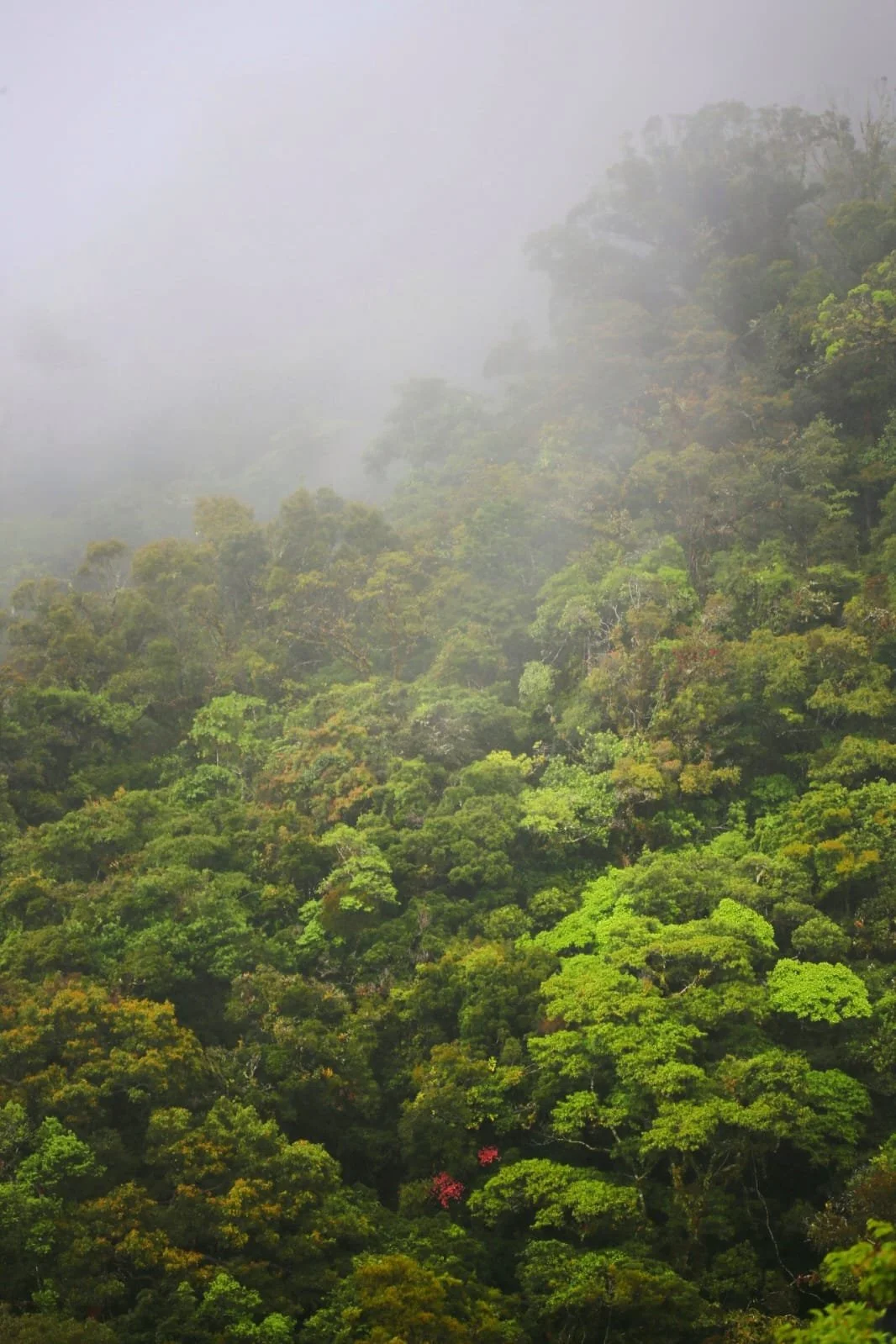
Far from the skyscrapers of Panama City, beyond the coffee farms of the highlands and the surf towns of the Pacific coast, there exists a corner of Panama that feels almost untouched by time. Hidden along the remote Caribbean shoreline of northwestern Panama, near the border with Costa Rica, lies San San-Pond Sak Wetland, one of the most important and least-known natural treasures in the country. This vast protected area is a world of coastal lagoons, tropical rainforest, mangrove forests, rivers, beaches, wetlands, and wildlife habitats that support an astonishing diversity of life.
For nature enthusiasts, San San-Pond Sak represents Panama at its wildest. It is a place where sea turtles nest on isolated beaches under the cover of darkness, where manatees glide silently through quiet waterways, where monkeys move through dense jungle canopies, and where hundreds of bird species thrive in one of the most biologically rich regions in Central America. Despite its global ecological importance, it remains far less visited than many of Panama's better-known destinations, giving visitors a rare opportunity to experience nature on a truly grand scale.
The protected area is located on the mainland portion of Bocas del Toro Province, a region that many travelers overlook while focusing exclusively on the province's famous islands. Yet the mainland contains some of the most spectacular and ecologically important landscapes in the country. San San-Pond Sak is perhaps the finest example of this hidden wilderness.
The geography of San San-Pond Sak is remarkably diverse. The protected area encompasses thousands of hectares of interconnected ecosystems that transition seamlessly from mountains to forests, rivers, wetlands, mangroves, lagoons, and beaches. Few places in Panama contain such a rich concentration of habitats within a relatively compact area.
One of the defining features of the region is its extensive wetland system. Wetlands are among the most productive ecosystems on Earth, serving as nurseries for fish, feeding grounds for birds, natural water filters, and critical habitat for countless species. In San San-Pond Sak, these wetlands create a complex network of waterways and flooded landscapes that support extraordinary biodiversity.
The area has been recognized internationally for its ecological significance and is protected under the Ramsar Convention as a wetland of global importance. This designation reflects the crucial role the region plays in conserving biodiversity and maintaining healthy ecological processes.
Visitors exploring the wetlands quickly notice how alive the landscape feels. Birds fill the air with calls. Fish break the surface of calm waters. Crabs scuttle through mangrove roots. Butterflies drift across sunny clearings. Every section of the ecosystem appears connected and active, creating an environment that rewards patient observation.
The mangrove forests are particularly impressive. These remarkable trees thrive where land and sea meet, their roots forming intricate networks that provide shelter for juvenile fish, crustaceans, and countless other organisms. Mangroves also protect coastlines from erosion and serve as important carbon sinks. In San San-Pond Sak, extensive mangrove stands form one of the foundations of the local ecosystem.
Perhaps the most famous residents of San San-Pond Sak are its sea turtles. The beaches of this remote Caribbean coast serve as critical nesting grounds for several species, including the magnificent Leatherback Sea Turtle, the largest sea turtle in the world. Adult leatherbacks can reach lengths of over two meters and weigh hundreds of kilograms, making them among the most impressive marine animals on the planet.
Each year, female turtles emerge from the sea under the cover of darkness to lay eggs on these beaches, continuing a reproductive cycle that has existed for millions of years. Watching a nesting sea turtle is often described as one of the most unforgettable wildlife experiences imaginable. The sight of such a massive and ancient creature laboriously making its way across the sand connects visitors to a natural process that predates human civilization.
Other turtle species also utilize the area's beaches, further enhancing its conservation importance. Numerous local and international organizations work to protect these nesting grounds, monitor turtle populations, and educate visitors about the challenges facing sea turtles worldwide.
The marine environment surrounding San San-Pond Sak is equally fascinating. Coastal waters support fish, rays, marine invertebrates, and a wide variety of other species. The region's rivers and estuaries create nutrient-rich conditions that contribute to high biological productivity throughout the coastal ecosystem.
Among the most elusive inhabitants of the area is the West Indian Manatee. These gentle aquatic mammals inhabit certain waterways within the region, although sightings are relatively rare. Manatees are among the most threatened marine mammals in the Caribbean, making the habitat provided by San San-Pond Sak especially valuable.
The forests surrounding the wetlands are equally rich in wildlife. Dense tropical rainforest covers much of the landscape, providing habitat for monkeys, sloths, reptiles, amphibians, and countless insects. Walking through these forests reveals a world of towering trees, tangled vines, colorful fungi, and an extraordinary diversity of plant life.
Birdwatchers find San San-Pond Sak particularly rewarding. Hundreds of bird species have been recorded in the area, making it one of Panama's premier destinations for avian observation. Herons patrol wetland edges. Kingfishers dive into waterways. Parrots fly overhead. Hawks circle above the forest canopy. Migratory species from North America also utilize the region during seasonal journeys.
Another fascinating aspect of San San-Pond Sak is its connection to local Indigenous communities. The surrounding region includes territories inhabited by members of the Ngäbe-Buglé, whose cultural traditions and knowledge of the environment have developed over generations. These communities maintain strong relationships with the land and contribute to the preservation of local ecological knowledge.
The area's relative remoteness has helped preserve both its ecosystems and cultural character. Unlike heavily developed tourist destinations, San San-Pond Sak remains largely free from large-scale infrastructure and urbanization. Visitors often experience a sense of isolation that is increasingly rare in today's world.
The journey to reach the area reinforces this feeling of adventure. Roads become less developed. Forests grow denser. Communities become smaller and more dispersed. By the time travelers arrive, they often feel as though they have reached one of the last truly wild corners of Panama.
The climate contributes significantly to the region's lushness. Rainfall is abundant throughout much of the year, feeding rivers, sustaining wetlands, and supporting the dense vegetation that characterizes the landscape. The result is an environment of exceptional productivity and biodiversity.
Photography enthusiasts often consider San San-Pond Sak a dream destination. Misty wetlands at dawn, sea turtles nesting beneath starlit skies, tropical birds perched among mangroves, and pristine Caribbean beaches provide endless opportunities for memorable images. The diversity of landscapes means that every day presents something new to photograph.
What makes San San-Pond Sak especially remarkable is the sense of ecological completeness. Here, ecosystems remain interconnected. Rivers flow into wetlands. Wetlands connect to mangroves. Mangroves support coastal waters. Forests surround the entire system. Wildlife moves between habitats largely as it has for centuries. Visitors witness nature functioning on a scale that has become increasingly uncommon elsewhere.
For travelers seeking nightlife, luxury resorts, or extensive tourism infrastructure, San San-Pond Sak may not be the ideal destination. But for those who value wilderness, biodiversity, wildlife encounters, and authentic natural experiences, it is one of Panama's greatest treasures.
Standing on a deserted Caribbean beach as waves roll ashore, watching birds cross the sky above mangrove-lined lagoons, or listening to the sounds of the rainforest at dusk, visitors gain an appreciation for the extraordinary richness of this landscape. The experience is not about entertainment or convenience. It is about connection to nature, to conservation, and to one of the most important ecosystems in Central America.
San San-Pond Sak serves as a powerful reminder that Panama's greatest wonders are not always found in its most famous destinations. Hidden away on the mainland of Bocas del Toro, this remarkable sanctuary protects ancient ecological relationships, endangered species, and landscapes of extraordinary beauty.
It is a place where sea turtles still return to nest, where manatees still glide through quiet waters, where rainforests still meet the Caribbean Sea, and where visitors can experience a vision of the natural world that remains astonishingly intact. In a country celebrated for its biodiversity, San San-Pond Sak stands among the very finest examples of why Panama is considered one of the world's great nature destinations.