
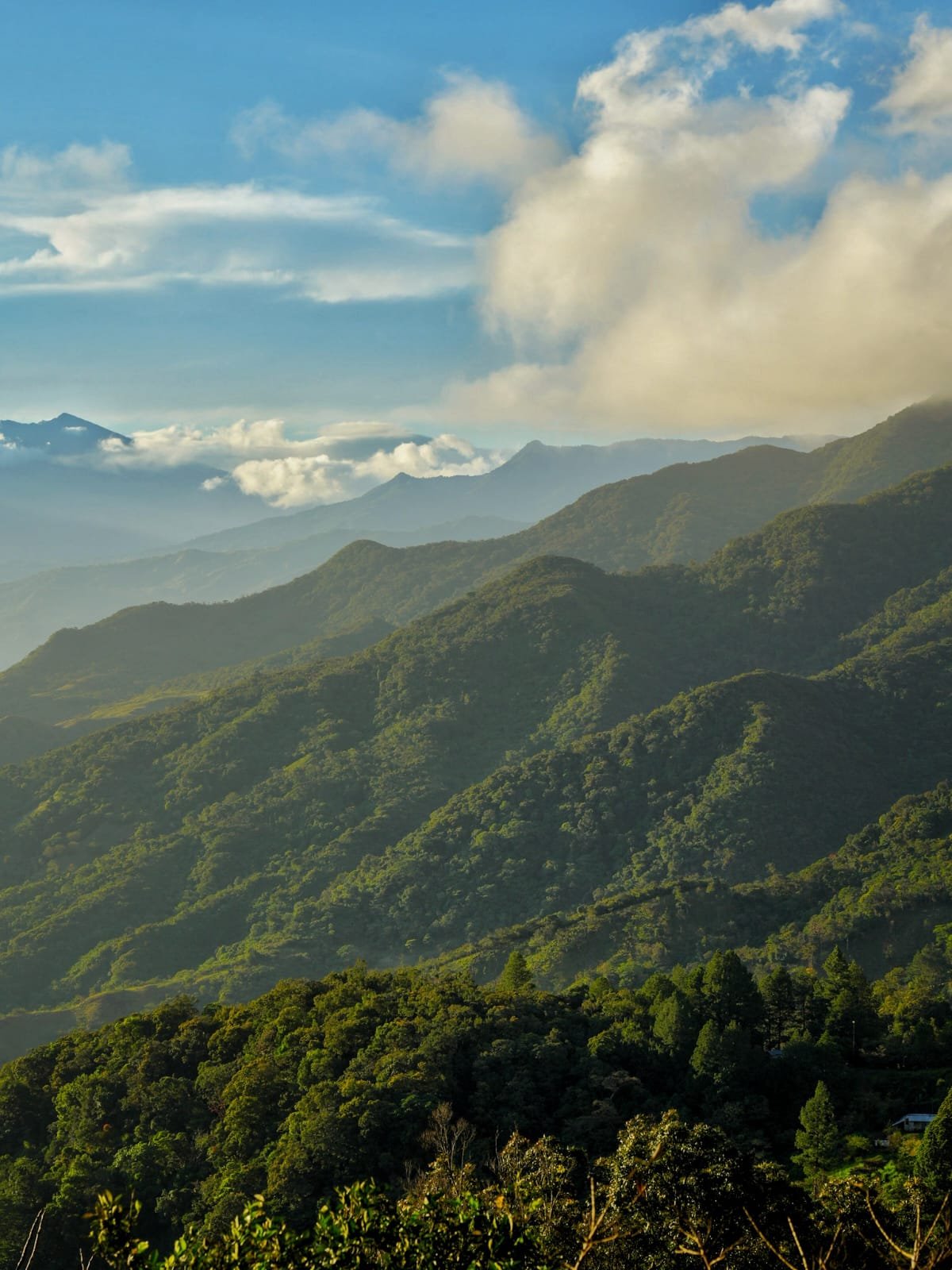
Starbucks in Panama is one of those interesting cultural intersections where a globally standardized brand enters a country that already has one of the strongest, most respected coffee traditions in the world. Panama is not a “new coffee market” or a place where coffee culture needed to be introduced. Quite the opposite. Coffee in Panama is deeply rooted in agriculture, highland farming, export prestige, and specialty-grade production that is considered among the best in the world, especially from regions like Boquete and the Chiriquí highlands. So when Starbucks arrived, it did not enter a vacuum. It entered a mature coffee environment with strong local identity, strong local competitors, and customers who already understood high quality coffee at a very sophisticated level.
This creates a very different Starbucks experience in Panama compared to many other countries. Here, Starbucks is not the origin of coffee culture or the main authority on coffee quality. Instead, it functions more as a global comfort brand, a familiar international meeting point, and a consistent experience for travelers, expats, business professionals, and Panamanians who want a standardized coffee option in an otherwise highly diverse café landscape.
At the center of Starbucks’ presence in Panama is Starbucks, which operates stores primarily in Panama City and select high traffic commercial locations. These include shopping malls, business districts, airport terminals, and hotel-adjacent areas where international foot traffic is high and where consistency, branding, and familiarity matter as much as product itself. The brand is not as geographically widespread in Panama as local cafés, but it is strategically placed in locations where global mobility and urban density intersect.
One of the most important things to understand about Starbucks in Panama is that it competes in a market that already has extremely strong coffee offerings. Panama produces some of the most expensive and highly rated coffees in the world, including Geisha coffee varieties that regularly win international awards and fetch extremely high prices at auctions. This means that many Panamanian consumers, especially in urban and highland regions, are already familiar with specialty coffee standards that exceed what Starbucks typically offers in terms of complexity, origin transparency, and artisanal roasting.
Because of this, Starbucks in Panama is less about introducing people to good coffee and more about offering a different kind of value: consistency, speed, branding, and familiarity. A latte in Panama City Starbucks will taste the same as a latte in Miami, Madrid, or Tokyo, and that predictability is part of the appeal. For travelers, business professionals, and expatriates, this consistency can be comforting in a city where café styles, bean origins, and brewing methods vary widely from place to place.
In Panama City, Starbucks locations are often found in areas such as shopping centers, financial districts, and busy urban corridors. These locations serve a mix of customers, including office workers grabbing quick coffee between meetings, students studying or working on laptops, tourists looking for a familiar brand, and locals who simply prefer the convenience or taste profile of Starbucks beverages. The seating layout, WiFi availability, and standardized store design also make it a popular informal workspace, especially in a city with a growing digital and corporate economy.
The menu in Panama Starbucks locations is broadly similar to global menus, with espresso drinks, frappuccinos, cold brews, teas, and seasonal offerings. However, pricing is often higher than local cafés due to import costs, brand positioning, and retail structure in Panama. This places Starbucks in a slightly premium but not luxury category, where it is accessible but not necessarily the cheapest daily coffee option.
One of the most interesting contrasts in Panama is the relationship between Starbucks and local specialty cafés. Independent coffee shops in Panama City, Boquete, and other urban centers often emphasize origin, bean quality, roast profiles, and brewing methods such as pour over, Chemex, or Aeropress. These cafés frequently use locally grown Panamanian coffee beans, sometimes even showcasing specific farms or producers. In this environment, Starbucks occupies a different niche entirely. It is not competing directly on bean origin storytelling or artisanal brewing, but rather on speed, brand recognition, and standardized experience.
This creates a kind of dual coffee economy in Panama. On one side, you have highly specialized local coffee culture that is deeply connected to agriculture, terroir, and global export prestige. On the other side, you have Starbucks as a global urban coffee system that prioritizes consistency and familiarity over locality and experimentation. Many people in Panama comfortably move between both systems depending on context. A person might drink single origin Panamanian Geisha coffee in a specialty café on a weekend, then grab a Starbucks iced drink during a workday for convenience.
Tourism also plays a major role in Starbucks’ presence. Panama is a major transit hub due to its airport connections and the Panama Canal, and Starbucks locations in airports and hotels serve as highly recognizable reference points for international travelers. For someone arriving from North America or Europe, seeing Starbucks in Panama City airport or shopping districts provides immediate familiarity and reduces friction in navigating a new environment. This is especially relevant for short term visitors who may not yet be familiar with local café options.
Another layer of Starbucks in Panama is its role in business culture. In financial and corporate districts, Starbucks functions as a neutral meeting space where informal meetings, laptop work, and quick conversations can take place. It is not uncommon for professionals to use Starbucks as a convenient midpoint between offices or as a casual meeting point that avoids the formality of restaurants or hotel lounges. The standardized environment makes it easy to plan meetings without uncertainty about service style or atmosphere.
Climate also plays a subtle role in Starbucks product preferences in Panama. Because of the tropical heat and humidity, cold drinks are extremely popular. Iced lattes, frappuccinos, cold brews, and blended beverages often outperform hot drinks in certain locations, especially during the daytime. Air conditioning inside stores also makes Starbucks a comfortable escape from the heat, which adds to its appeal as a social and work space rather than just a coffee pickup point.
At the same time, Starbucks in Panama does not dominate the coffee landscape in the way it might in countries with less developed coffee cultures. Local cafés, bakeries, and independent coffee shops remain extremely strong competitors, and in many neighborhoods they are more common than Starbucks locations. In places like Boquete, for example, Starbucks presence is minimal compared to the overwhelming dominance of local coffee farms and specialty cafés that are directly connected to production.
Pricing is another important factor that shapes consumer behavior. Starbucks in Panama is generally more expensive than local coffee shops, which makes it less of a daily default option for many people. Instead, it tends to be used selectively, for convenience, brand preference, or specific drink cravings. This creates a usage pattern that is more intentional than habitual for many customers.
Over time, Starbucks has become part of Panama’s broader urban identity rather than its coffee identity. It is a recognizable global brand embedded within a city that already has its own strong coffee story. It represents international consistency rather than local innovation, and its role is defined less by shaping coffee culture and more by coexisting alongside one of the most advanced coffee-producing regions in the world.
Ultimately, Starbucks in Panama exists in a very specific balance. It is not the leader of coffee culture, nor is it irrelevant. Instead, it is a parallel system that serves global familiarity inside a country that already has deep coffee expertise. It offers predictability in a landscape defined by variety, and it provides a shared reference point for travelers, professionals, and locals navigating an increasingly international city.
And in that sense, Starbucks in Panama is less about coffee itself and more about what coffee represents in a globalized urban environment: consistency, convenience, and familiarity layered onto a country that already produces some of the most complex and celebrated coffee in the world.