
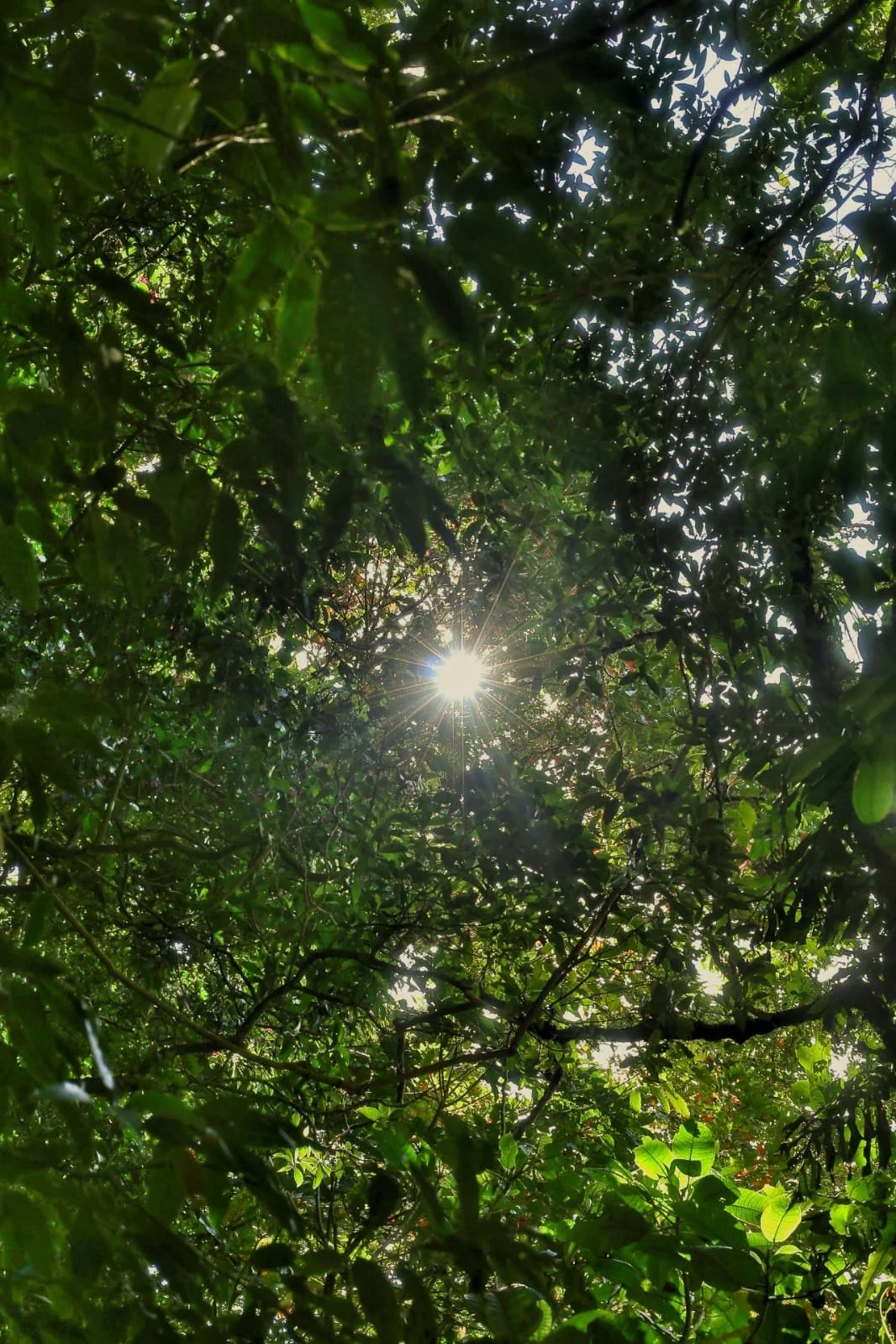
The Emberá people of Panama represent one of the most profound examples of a living rainforest civilization in the Americas. They are not a relic of the past, nor a culture preserved only in museums or academic texts. They are a living society that continues to exist, adapt, and evolve within one of the most biologically rich and environmentally complex regions in the world. The Emberá are deeply tied to rivers, forest ecosystems, oral history, and a worldview that does not separate human life from nature but instead integrates it completely into daily existence.
To understand the Emberá is to understand a form of civilization built not on roads and cities, but on water, memory, and ecological balance. Their culture stretches across the rainforest regions of eastern Panama, especially the Darién region, as well as across the border into Colombia, forming a transnational Indigenous identity that predates modern national borders by centuries.
What makes the Emberá especially fascinating is not only their cultural continuity but the way their entire way of life is structured around environmental systems that are still functioning today. Rivers are highways, forests are pharmacies, and oral tradition is both history and law.
A Civilization Shaped by Rivers Rather Than Roads
The defining feature of Emberá geography is water. Unlike urban societies that build infrastructure on land, Emberá settlements are historically organized around rivers. These rivers are not symbolic. They are functional lifelines that determine movement, trade, communication, and survival.
Villages are often located along tributaries and major river systems where canoes are the primary form of transportation. These canoes are traditionally carved from single large trees, shaped by hand and used for fishing, travel, and transport between communities. Movement between settlements can take hours or days depending on river conditions, creating a natural rhythm of life that is closely tied to water levels, rainfall, and seasonal cycles.
This river based structure creates a form of spatial organization that is fundamentally different from road based societies. Instead of centralized cities, Emberá life is distributed across interconnected nodes along waterways. Each village is part of a larger network that functions like an ecological web rather than a fixed urban hierarchy.
In this sense, the Emberá do not live in isolated communities. They live in a continuous river system that acts as both infrastructure and environment.
Historical Depth: The Emberá in Pre-Colonial and Colonial Contexts
The Emberá are part of a broader Chocó linguistic and cultural group that has inhabited parts of the Darién rainforest for centuries, long before the formation of modern Panama. Their history is deeply intertwined with the dense, difficult terrain of eastern Panama, which historically limited large scale colonial settlement and allowed many Indigenous groups to maintain autonomy longer than in more accessible regions.
During the colonial period, Spanish expansion into Darién was limited by geography, disease, and resistance from Indigenous populations. This allowed Emberá communities to maintain relative continuity in their territorial and cultural systems compared to other regions of the isthmus.
However, this does not mean isolation. The Emberá were part of regional trade networks, intercommunity alliances, and shifting patterns of migration that connected different Indigenous groups across forest and river systems.
Their historical experience is therefore not one of isolation but of adaptation within a complex rainforest frontier.
Social Structure: Community Life, Leadership, and Collective Identity
Emberá society is traditionally organized around small villages that function as extended family networks. These communities are not structured around rigid hierarchies but rather around relational leadership, where authority is often based on experience, knowledge, and social trust.
Leadership roles are typically held by respected elders or community figures who guide decision making, mediate disputes, and maintain cultural continuity. However, decisions are often made through discussion and consensus rather than centralized authority.
One of the most important features of Emberá social structure is its emphasis on collective responsibility. Work, childcare, food preparation, and resource gathering are often shared activities. This creates a strong sense of interdependence within the community.
Elders are especially important because they hold knowledge of medicinal plants, oral history, hunting techniques, river navigation, and spiritual traditions. In Emberá culture, knowledge is not stored in written form but carried through memory, storytelling, and lived practice.
Housing and Built Environment: Architecture Within the Forest
Emberá housing reflects adaptation to a tropical rainforest environment. Traditional homes are built using materials sourced directly from the surrounding ecosystem, including palm leaves, wood, and vines. Structures are typically elevated on stilts to protect against flooding, insects, and ground moisture.
These homes are not designed to separate people from nature. Instead, they are designed to coexist with it. Walls are often open or partially open to allow airflow, and construction methods prioritize flexibility and sustainability rather than permanence in the industrial sense.
Villages are often located near rivers not only for transportation but also for access to water, fishing, and communication. The layout of settlements is organic rather than geometric, shaped by terrain, water flow, and ecological conditions.
Language, Memory, and Oral Civilization
The Emberá language belongs to the Choco linguistic family and remains a core element of cultural identity. It is still widely spoken in many communities, often alongside Spanish in more urbanized or mixed settings.
However, the most important aspect of Emberá cultural transmission is oral tradition. History, law, moral teachings, ecological knowledge, and spiritual narratives are passed down through storytelling rather than written documents.
These stories are not static. They evolve with each generation while preserving core meanings. They often include explanations of natural phenomena, ancestral journeys, moral guidance, and relationships between humans and the forest.
In this way, memory itself functions as an archive system. The community collectively preserves knowledge through spoken tradition rather than physical records.
Body Art, Craftsmanship, and Aesthetic Identity
One of the most recognizable cultural expressions of the Emberá is body painting. Natural dyes, especially from the jagua fruit, are used to create intricate dark blue or black patterns on skin. These designs can cover arms, faces, and bodies, often reflecting identity, celebration, or symbolic meaning.
Body painting is not permanent. It fades over time, which reflects a cultural philosophy of impermanence and renewal.
In addition to body art, Emberá craftsmanship includes basket weaving, wood carving, and textile creation. These crafts are made from rainforest materials and often feature geometric or nature inspired patterns. They are both functional and artistic, used in daily life as well as ceremonial contexts.
Spiritual Ecology: The Forest as a Living System
Emberá spirituality is closely tied to the rainforest ecosystem. The forest is not seen as separate from human life but as a living system that includes humans, animals, plants, and spiritual forces.
Medicinal plants play a major role in healing practices. Knowledge of these plants is extensive and is traditionally passed through generations of healers and elders. Many illnesses are treated using combinations of plant based remedies, rituals, and community knowledge.
Animals are also significant within cultural narratives, often appearing in stories that explain behavior, morality, and environmental relationships.
This worldview creates a form of ecological ethics in which balance with nature is essential to survival and wellbeing.
The Emberá and Modern Panama: Tourism, Transition, and Cultural Visibility
In contemporary Panama, some Emberá communities have become more visible through cultural tourism. Visitors often travel by canoe into rainforest settlements to experience traditional music, dance, food, and storytelling.
These experiences allow outsiders to engage with Emberá culture directly, often in natural river settings. However, tourism also introduces complex dynamics. It creates economic opportunities while also raising questions about cultural representation, authenticity, and external influence.
At the same time, other Emberá communities remain more remote and maintain traditional patterns of life with less external interaction.
This creates a spectrum of cultural engagement rather than a single uniform experience.
Environmental Context: The Emberá Within a Global Watershed System
Some Emberá territories exist within or near important ecological regions connected to Panama’s broader watershed systems, including areas related to Gatun Lake and the Chagres River basin. This proximity places Indigenous communities within landscapes that are also critical to national infrastructure and global shipping systems.
This overlap between Indigenous territory and engineered water systems highlights a defining feature of modern Panama: multiple layers of geography existing simultaneously, from rainforest ecosystems to global logistics corridors.
Challenges and Adaptation in the Modern Era
Like many Indigenous peoples, the Emberá face ongoing challenges, including:
Land rights and territorial protection
Environmental pressures from deforestation and development
Access to healthcare and education
Cultural preservation among younger generations
Balancing traditional life with modern economic systems
Despite these challenges, many Emberá communities continue to maintain strong cultural identity while adapting to changing conditions. Some integrate education systems, participate in national economies, or engage in tourism, while still preserving core traditions and ecological knowledge.
Final Perspective: A Living Civilization of Water, Memory, and Forest
The Emberá are not defined by a single narrative. They are a living, evolving civilization shaped by rivers, rainforest ecosystems, oral tradition, and communal life. Their culture is not static or historical in the frozen sense. It is active, adaptive, and deeply embedded in one of the most important ecological regions in Central America.
In a country like Panama, where global trade, modern infrastructure, and ancient rainforest exist side by side, the Emberá represent something essential: a continuity of human life that is not disconnected from nature but integrated into it.
They are a reminder that civilization does not have only one form. It can also exist in canoes, rivers, forests, stories, and communities that move with the rhythm of water rather than the geometry of roads.
And in that sense, the Emberá are not just part of Panama’s past or present.
They are part of a living rainforest world that continues to flow through the rivers of the isthmus.